

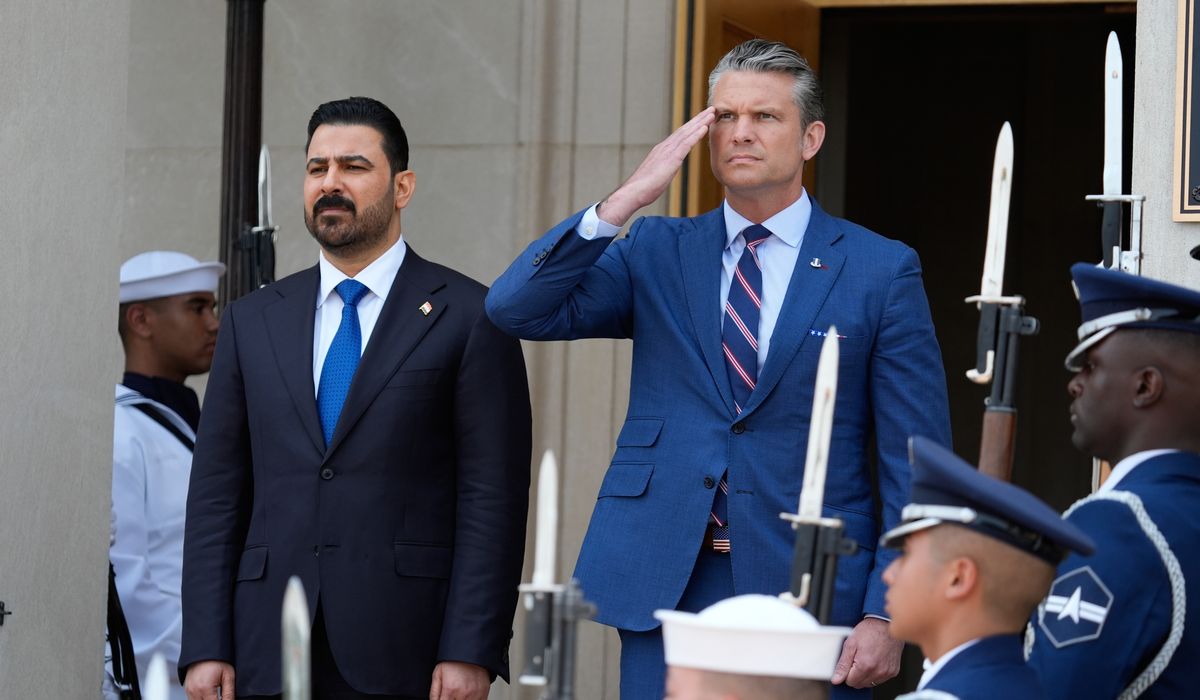
The U.S. military will leave Iraq by the end of September, American and Iraqi officials said Tuesday, following a 23-year presence that started with the 2003 invasion against Saddam Hussein and ended up shaping regional dynamics, security partnerships, and domestic debate in both countries.
The announcement that American forces will withdraw from Iraq by the end of September landed like a shock to many who have followed the long post-2003 presence. For two decades plus, U.S. troops were a core part of operations against insurgents, advisory missions, training programs, and efforts to contain extremist groups. Those years created deep military and intelligence ties between Washington and Baghdad that will not unwind overnight.
From a Republican perspective this decision raises immediate questions about strategy and accountability, starting with what conditions drove the timetable and which national interests were weighed. Republicans tend to prioritize clear objectives and measurable benchmarks before pulling back forces, especially where rivals can exploit any gap. The risk calculus includes whether Iran-linked militias, remnants of ISIS, and other actors will accelerate efforts to expand influence in Iraq and the wider Levant.
Many Americans and veterans who served alongside Iraqi partners deserve to know how their work will be sustained once U.S. boots are gone, and Republicans will press for answers on that front. Training programs and partner capacity were central to the counterterrorism progress made over recent years, and a rapid exit could erode fragile gains. Ensuring that Iraqi security forces can deter both terrorism and foreign interference is a central concern for anyone focused on long-term stability.
There is also a diplomatic and operational question about how withdrawal aligns with broader U.S. posture in the Middle East, including deterrence against state actors that back proxies. Republicans often stress that force posture signals matter, and that predictable commitments deter aggression while reckless retreats encourage it. Any drawdown should be paired with clear diplomatic leverage, intelligence-sharing arrangements, and contingency plans to re-engage quickly if threats spike.
On the domestic front, Americans want transparency on cost, troop safety, and how the Pentagon will redeploy personnel and assets to other theaters or missions. Republicans in Congress will likely demand briefings and oversight to ensure the withdrawal is not merely a headline but a controlled transition that protects service members and preserves hard-won gains. Lawmakers will also examine whether partners and bases in the region are being strengthened or left exposed by this move.
Security partners in the region, from Gulf states to Kurdish forces, will read this decision as a signal and react accordingly, and Republicans will urge policymakers to make that signal clear: the United States remains committed to defending its interests and allies. That means maintaining robust intelligence and strike options, strengthening allied militaries, and using economic and diplomatic pressure where needed. A coherent plan that ties the drawdown to specific capabilities and safeguards is essential to prevent a chaotic vacuum.
Critics will portray the withdrawal as abandonment, while defenders argue it ends a long and costly deployment; Republicans generally favor outcomes that blend strategic resolve with prudent resource use. The debate will center on whether the timetable reflects a conditions-based approach or a politically driven deadline, and Republicans will push for continued leverage over Iraqi security arrangements. Clear metrics for success, and the ability to act if those metrics are not met, will shape the next phase.
Finally, the human element cannot be forgotten: troops who served in Iraq and the families who supported them deserve clarity about the legacy of their service and how lessons learned will guide future engagements. Republicans will emphasize honoring commitments to veterans, supporting local partners left to pick up the pieces, and ensuring that any withdrawal protects U.S. interests. The coming weeks should answer how carefully thought out this exit is and whether it preserves deterrence while responsibly ending a long chapter of direct U.S. military presence.

