

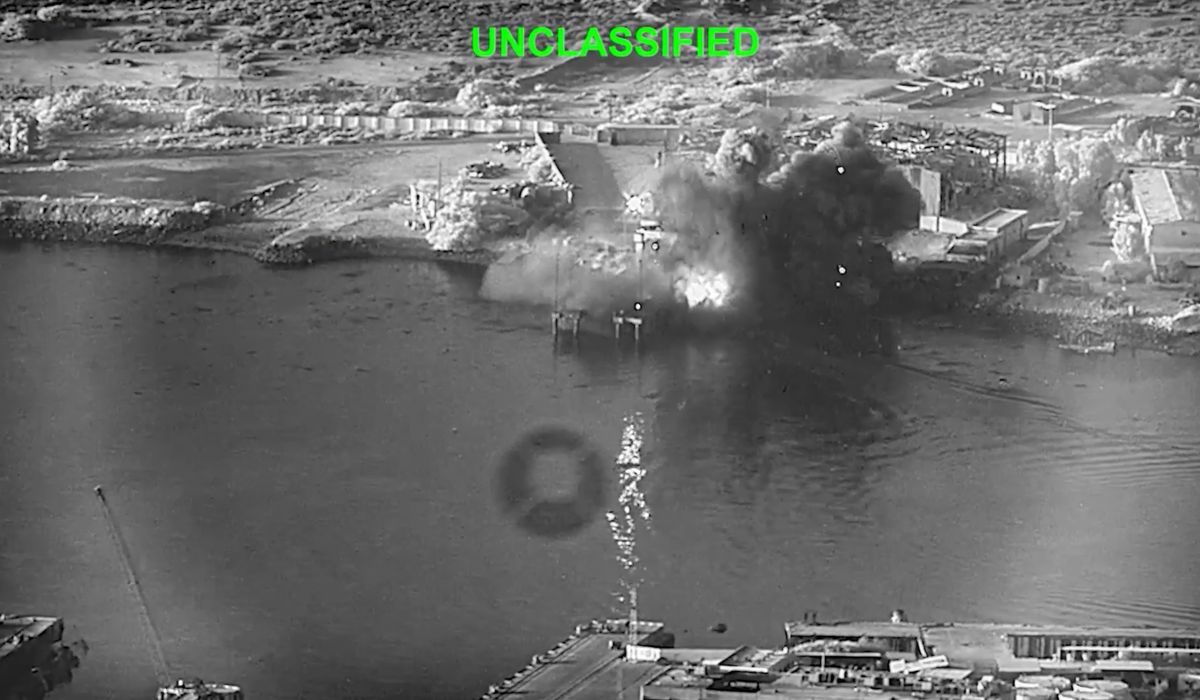
U.S. forces and regional partners faced another day of Iranian strikes, raising fresh questions about deterrence, readiness, and how Washington should respond to protect troops and allies across the Middle East.
Iran’s military on Wednesday continued its attacks against regional U.S. military targets, with Bahrain and Jordan both reporting new strikes from Iranian drones and missiles. Those attacks arrived amid a broader pattern of escalating tensions that has tested the resolve of American forces and regional governments. The strikes are tactical in nature but strategic in effect, forcing planners to rethink posture and protection across dozens of forward bases.
On the ground, service members and partner militaries are juggling layered air defenses, dispersed operations, and the constant threat of asymmetric strikes. Commanders are adapting quickly, moving vulnerable assets, altering flight patterns, and updating rules of engagement to limit exposure. Still, these are stopgap measures; they reduce risk but do not eliminate the message Tehran is trying to send.
Politically, the response is where the real debate happens. From a conservative viewpoint, deterrence must return to the center of U.S. policy, not just diplomacy or sanctions alone. When an adversary attacks American targets, the reaction should be calibrated to restore deterrence and protect forces without needlessly widening the conflict.
Operationally, the U.S. has options: more persistent missile defense, preemptive suppression of Iranian strike networks, and tighter cooperation with Gulf partners. Any effective plan will combine intelligence, joint fires, and expeditionary logistics to keep bases functional under sustained pressure. Quick fixes won’t hold up if Tehran commits to repeated strikes over time.
Allies in the region, especially Gulf states like Bahrain and Jordan, are on the front line and deserve clearer support beyond statements. Increased posture, information sharing, and air defense coordination help blunt attacks and reassure partners that U.S. commitments are real. That kind of tangible backing also signals to Tehran that costs will mount for continued aggression.
On the diplomatic track, pressure and isolation matter, but only when matched with credible military consequences. Sanctions and condemnations are tools, not substitutes for the posture required to prevent more attacks. If the goal is long-term stability, Washington must blend pressure campaigns with the capability to defend what matters most.
The American public and lawmakers ought to understand the stakes for service members stationed in harm’s way. This is about readiness, responsibility, and the credibility of U.S. deterrence. Lawmakers should focus on ensuring commanders have the resources and authorities they need to keep troops safe and to impose meaningful costs on those who target U.S. forces.
As events unfold, the calculus will change rapidly and unpredictably, which makes a flexible yet firm strategy essential. The right mix of defense, selective offensive action, and allied coordination offers the best chance to stop these strikes from becoming a regular pressure campaign. What leaders must avoid is allowing a pattern of limited attacks to erode American deterrence and invite further escalation.
Meanwhile, commanders continue to adapt tactics and posture to blunt the immediate threat to people and equipment. That work includes rehearsals, hardened facilities, and augmented early warning systems to buy time and save lives. Those concrete measures matter more than rhetoric when missiles and drones are flying overhead.

