

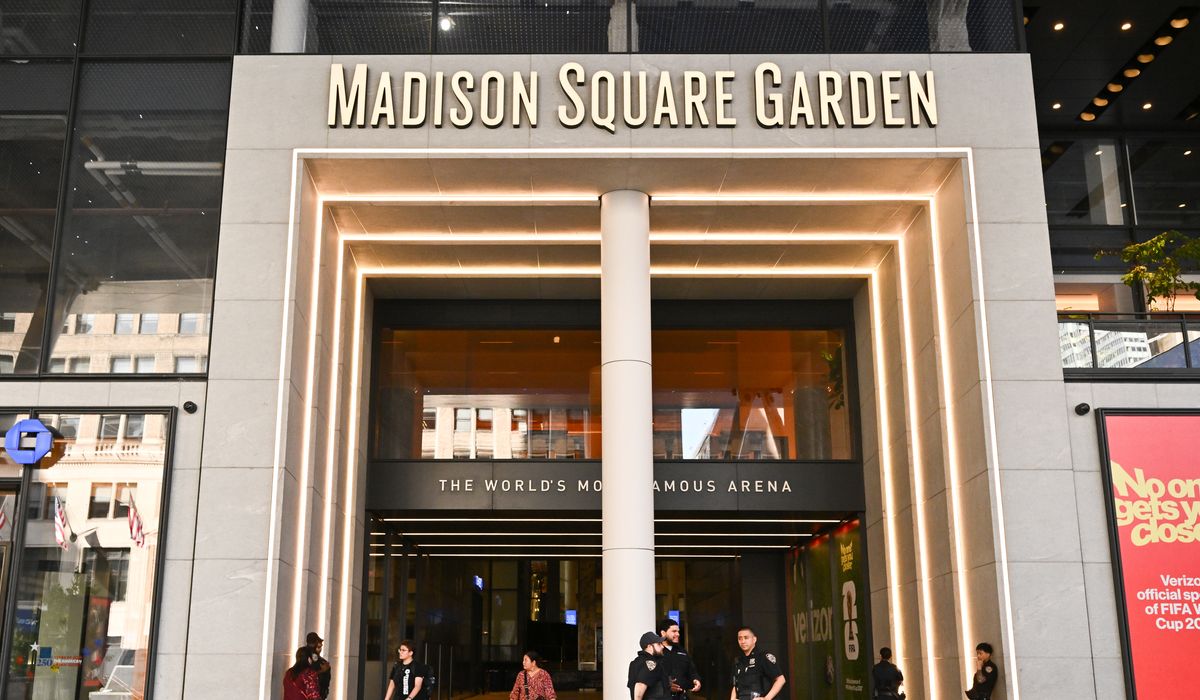
Three Madison Square Garden corporate entities have filed a defamation lawsuit against Wired, its corporate owner Advance Publications, and three of the magazine’s journalists, alleging that the outlet published false and damaging statements about the companies.
The filing names Wired, Advance Publications and three individual reporters as defendants in a defamation suit brought by three Madison Square Garden corporate entities. The complaint claims the reporting contained inaccuracies that harmed the companies’ reputations and business interests. The move shifts a public controversy into the legal system and puts media practices and corporate accountability in the same courtroom.
At its core, a defamation claim asks whether published statements were false and whether those statements injured the plaintiff. Plaintiffs must show that a publication presented false facts, and that those assertions caused concrete harm such as lost contracts, damaged relationships, or financial loss. When corporate entities sue, courts will weigh evidence of harm alongside the nature of the statements and the context in which they appeared.
Defendants in media suits typically lean on a couple of standard defenses. Truth is an absolute defense: if the publication can prove the contested statements are true, the case usually ends there. Wired could also argue that contested lines amounted to opinion rather than factual assertions, or that reporting relied on credible sources in good faith, undermining any claim of reckless disregard for the truth.
The lawsuit also raises questions about the legal standard for plaintiffs who are public figures or closely tied to public controversies. If a court deems any of the corporate entities to be public figures for the purposes of the story, the plaintiffs would need to show actual malice, meaning the defendants knew the statements were false or acted with reckless disregard for whether they were false. That higher bar changes litigation strategy and often leads to aggressive discovery aimed at reporters’ notes, editorial decisions and source communications.
Remedies in defamation cases range from monetary damages to requests for retractions or injunctive relief. Corporations typically seek compensatory damages for measurable financial harm, but they may also seek punitive damages if they can show particularly egregious conduct. Plaintiffs sometimes ask for corrections or public statements to restore reputation, though courts are cautious about ordering speech-based remedies.
Procedurally, the case will likely move through familiar phases: an initial complaint, responses and possible motions to dismiss, discovery, and then dispositive motions or trial. Early motions can be pivotal, especially if defendants persuade a judge to dismiss claims that fail to state a legal theory or that are shielded by First Amendment protections. Discovery can be intrusive, exposing internal communications from both the newsroom and the plaintiff companies.
Beyond the courthouse, the lawsuit tests the balance between aggressive reporting and responsible journalism. News organizations must evaluate source vetting and editorial oversight, while corporations must decide when litigation is a better path than public rebuttal. The outcome could influence newsroom practices and how companies respond to coverage they view as unfair or inaccurate.
Watch for how the court treats allegations about sourcing and editorial intent, because those points often determine whether a case survives early challenges. Also pay attention to any joint statements or filings from the parties that clarify exactly what statements are at issue. The litigation will unfold in stages and could take months to resolve, but the initial complaint already forces both sides to justify their positions in a formal legal setting.

