

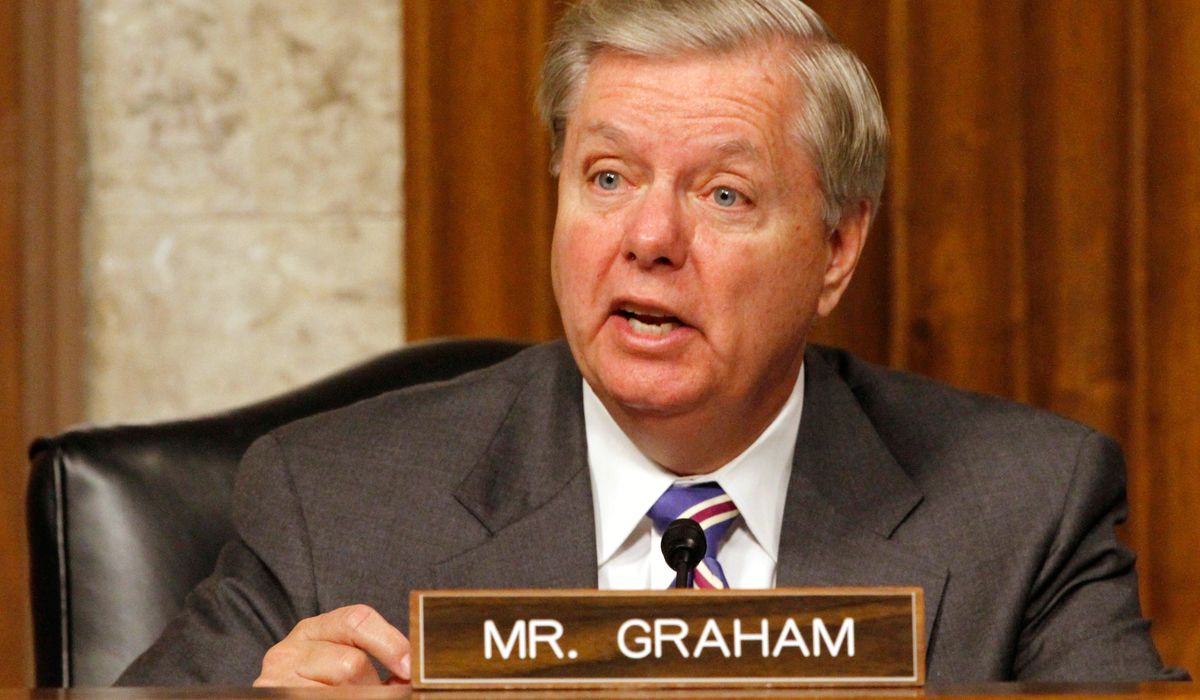
Memorial services for the late Sen. Lindsey Graham will be held in South Carolina and the District at the end of this month, and friends, colleagues, and constituents are expected to gather to recognize his years of public service and the conservative principles he championed.
News that memorial services are set in both South Carolina and Washington signals how deeply he was woven into two communities: his home state and the national capital. Republicans and conservatives will remember him as a plain-speaking voice who fought for a strong America and stood by core principles through the heat of politics. The dual services let both local supporters and national figures pay respects without forcing a choice between home and country. This arrangement reflects a life lived at the intersection of state pride and national duty.
Throughout his time in public office he was a familiar presence in debates over national security and justice, and those themes are likely to shape the tributes in the coming days. Colleagues who worked with him on policy will emphasize his commitment to a robust defense and to judicial appointments that reflected conservative legal views. Supporters will recall his willingness to press for what he believed would keep Americans safe, and the memorials will give people a chance to put those convictions on the record. That mix of policy focus and personal recollection is a common thread when a well-known public servant is honored.
Friends and fellow Republicans will also talk about his personality — blunt, determined, and ready to take the heat when he thought the stakes were high. In party circles he was respected for standing up for conservative priorities even when doing so was unpopular. That kind of backbone is a throughline in how many will remember him, and it will show up in speeches and remembrances. Expect stories that balance the policy fights he chose with the personal loyalty he showed to colleagues.
Local communities in South Carolina will want a chance to remember the parts of his work that mattered most at home, from constituent service to supporting local priorities. State leaders and ordinary voters alike often measure a senator by how he answered calls from the people who sent him to Washington. The service in his home state is a reminder that elected officials live in two worlds: the national stage and the local front porch. That balance will be a focus for many who attend or send messages of condolence.
In the District, the tone of memorial remarks will likely tilt toward the national issues that defined his later career, including judicial confirmations and defense policy. Washington is where long relationships with other lawmakers and staff members are most visible, and the city’s service will let colleagues recount behind-the-scenes moments that never made headlines. Those anecdotes often reveal how a lawmaker approached the work — whether with compromise, persistence, or fierce advocacy. For conservatives looking to preserve a legacy of strong judicial picks and national security posture, these stories matter.
Republican officials and grassroots activists will use the services as a moment to reaffirm the values he stood for and to encourage continued dedication to conservative causes. Memorials are never just about looking back; they are also a nudge to those who remain in public life to keep pushing on the issues that defined a leader’s career. Expect calls for steadiness on policy and an insistence that principles outlast any single tenure. That forward-looking thread is both political and personal, and it is common at these kinds of events.
Practical details about attendance and format will be handled by the family and organizers, but the dual services make it clear that constituents and colleagues will each get their chance to speak. The decision to hold events in both settings acknowledges his role as a local son and a national figure at once. For those who respected him, that is the right note: honoring a career that ran from the statehouse to the halls of Congress. People will come to honor service, to tell stories, and to remind one another what conservative leadership looks like in practice.
What happens in the weeks after the memorials will matter too, as elected officials and civic groups look for ways to preserve his work and encourage the next generation. Memorial services are a pause, not an ending; they set the tone for how a legacy is carried forward. For Republicans who valued his style and his policy priorities, the events at the end of this month will be a clear moment to reflect and to recommit to the conservative project he helped shape.

