

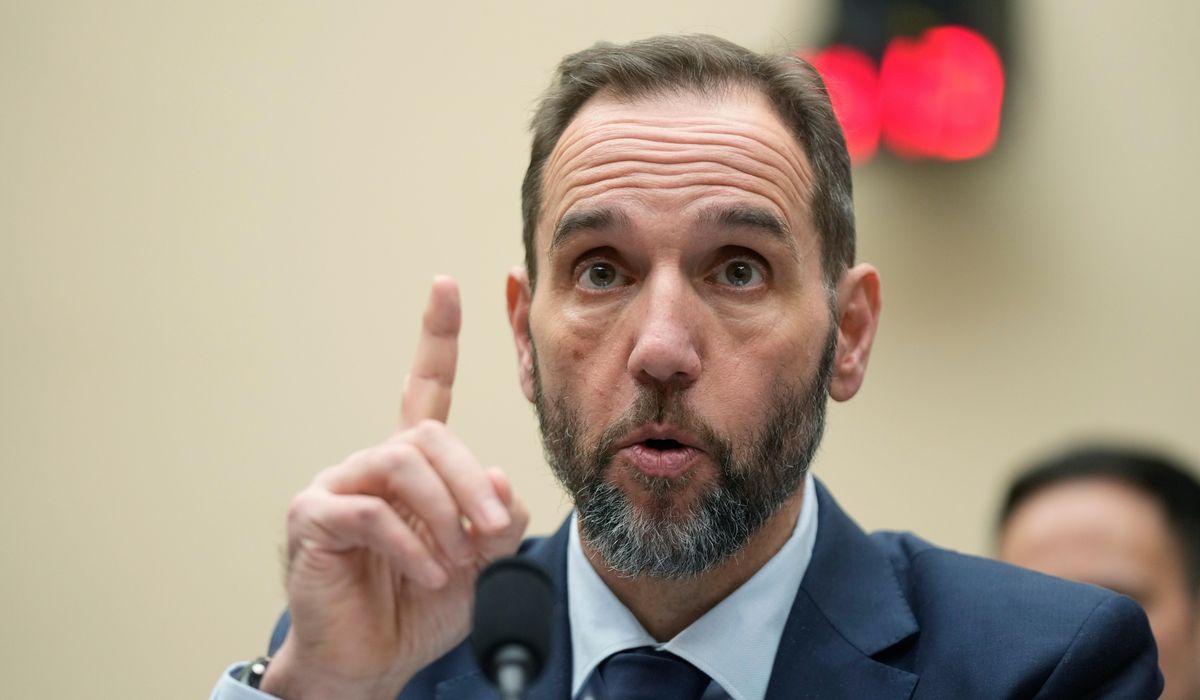
House Judiciary Committee Chairman Jim Jordan made a criminal referral to the Justice Department on Wednesday, asking prosecutors to see if they can bring charges against former Special Counsel Jack Smith; the move escalates congressional scrutiny and pushes accountability questions back to federal prosecutors.
Chairman Jim Jordan pushed a formal criminal referral to the Justice Department, signaling that the House is not satisfied with answers so far about how the special counsel handled certain probes. Jordan framed the referral as a step toward accountability, arguing that prosecutors should evaluate whether abuses of power occurred. The referral reflects a broader Republican concern about the scope and tactics used by special counsels in politically sensitive investigations.
The committee’s action lays out allegations that need independent review rather than serving as proof of guilt. Members on the Republican side say the referral compiles evidence suggesting improper conduct and requests that federal prosecutors decide whether charges are warranted. This is a traditional check in our system: when Congress believes a prosecutor went beyond the law, they can ask the Department of Justice to look into it.
Supporters of the referral say it is about restoring trust in the justice system and preventing future political prosecutions. They emphasize that no one is above the law and that investigators, including special counsels, must follow rules and respect due process. Republicans argue that public confidence in federal law enforcement depends on consistent standards and real consequences when those standards are ignored.
Critics will call the move partisan and predict it will be dismissed by career prosecutors. That is a familiar pushback, but Republicans point to a pattern of decisions and public statements by the special counsel that, in their view, merit criminal review. The referral asks DOJ to parse through sworn testimony, documents, and the conduct of senior officials to determine whether criminal statutes were violated.
Putting the question to the Justice Department also shifts responsibility back to career prosecutors who must weigh evidence without political direction. Republicans want to see whether investigators, after reviewing the committee’s packet, will pursue charges or close the matter. Either outcome keeps the focus on legal standards and the actions of those who wield prosecutorial power.
The filing underscores the committee’s belief that process matters as much as outcomes in politically charged cases. When rules are unclear or ignored, the incentives for overreach grow and ordinary citizens lose faith in the system. By asking DOJ to review the matter, the committee is asking for a neutral judgment from trained prosecutors about whether misconduct rises to the level of criminal behavior.
There are practical consequences beyond the immediate question of charges. If prosecutors decline to act, Republicans will argue that reforms are still needed to limit prosecutorial discretion and increase transparency. If charges are brought, it would mark a serious escalation with long term implications for how special counsels operate and for the political risk of wielding the prosecutorial power.
In the meantime, the referral will keep the issue in the national conversation, forcing senior officials to answer hard questions under oath and in public documents. Republicans see this as part of their duty to oversee executive branch actors and protect citizens from politicized enforcement. The process of asking DOJ to investigate is itself a constitutional check on federal power and a test of whether existing institutions will hold officials accountable.
The committee’s move is a reminder that oversight does not end with headlines or internal memos. It can produce formal referrals, sworn testimony, and legal reviews that change how future investigations are conducted. What happens next will depend on decisions by career prosecutors at the Justice Department and on whether Congress follows up with legislative or procedural changes to guard against future abuses.

