

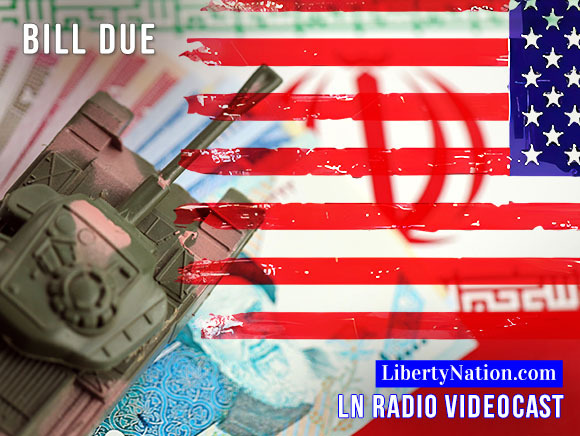
A look at how money and markets shape modern conflict, with an emphasis on economic pressure as a strategic tool and the risks and limits of relying on force alone.
Economic pressure can be the most effective way to constrain a hostile regime without firing a shot. When trade, finance, and energy revenues dry up, the choices available to leaders narrow and the appetite for adventurism falls. That dynamic matters as much as, and sometimes more than, the posture of tanks and aircraft.
Policymakers who favor strength should not default to kinetic action when targeted sanctions and financial measures can achieve deterrence. A Republican view values maximum leverage over unnecessary entanglement, and the wallet is a blunt instrument that often produces quicker restraint than prolonged military campaigns. Smart sanctions and export controls impose real costs while limiting U.S. exposure on the ground.
Cutting off revenue streams hits the regime’s ability to pay proxies, buy weapons, and sustain propaganda. Targeted measures against oil, shipping, and financial networks disrupt the calculus of war without making American troops the primary tool. When those measures are paired with credible military readiness, adversaries understand the downside of escalation.
That said, economic pressure is not magic. Autocratic governments can adapt, use illicit channels, or tighten domestic control to endure hardship. Effective policy must therefore be multilayered: sanctions and restrictions should be coordinated with allies, backed by intelligence to choke evasion routes, and calibrated to pressure ruling elites rather than ordinary citizens whenever possible.
Secondary sanctions and denial of access to Western capital can be especially painful because modern regimes rely on global finance to modernize weaponry and pay for proxy networks. Denying insurance for tankers, banning sophisticated dual-use tech exports, and freezing corrupt assets all reduce the odds of conflict. These measures take time to implement, but they compound pressure when enforced consistently.
Diplomacy remains necessary alongside pressure. That means offering a credible path off the ledge for states that comply, while reserving the option of harder measures if they do not. From a conservative standpoint, firmness combined with clear choices preserves U.S. interests and prevents open-ended nation-building. The public and Congress need to see that economic tools are part of a deliberate strategy, not an afterthought.
Military options must stay on the table to ensure credibility, but they should be last, not first. When force is used, it should have narrow objectives and exit criteria that align with strategic goals. Otherwise the United States risks mission creep, political blowback, and the kind of protracted commitments that erode domestic support for security policy.
Private-sector cooperation is another lever often overlooked. Insurers, banks, shipping firms, and tech companies can enforce rules faster than governments alone. Working with industry to close loopholes and pressure bad actors magnifies the impact of policy choices. That partnership also signals to partners and rivals that the West can mobilize both state and market power effectively.
Finally, sustaining popular support for tough, non-kinetic measures requires clarity and honesty from leaders. Explain the objectives, show the milestones, and maintain a willingness to adjust. A conservative approach favors robust defense, sharp economic tools, and prudent diplomacy — a mix that aims to keep Americans out of costly wars while denying adversaries the means to threaten us or our allies.
The Federalist Papers · Free with the Daily Briefing
Read all 85 essays, free.
Join Free & Read

