

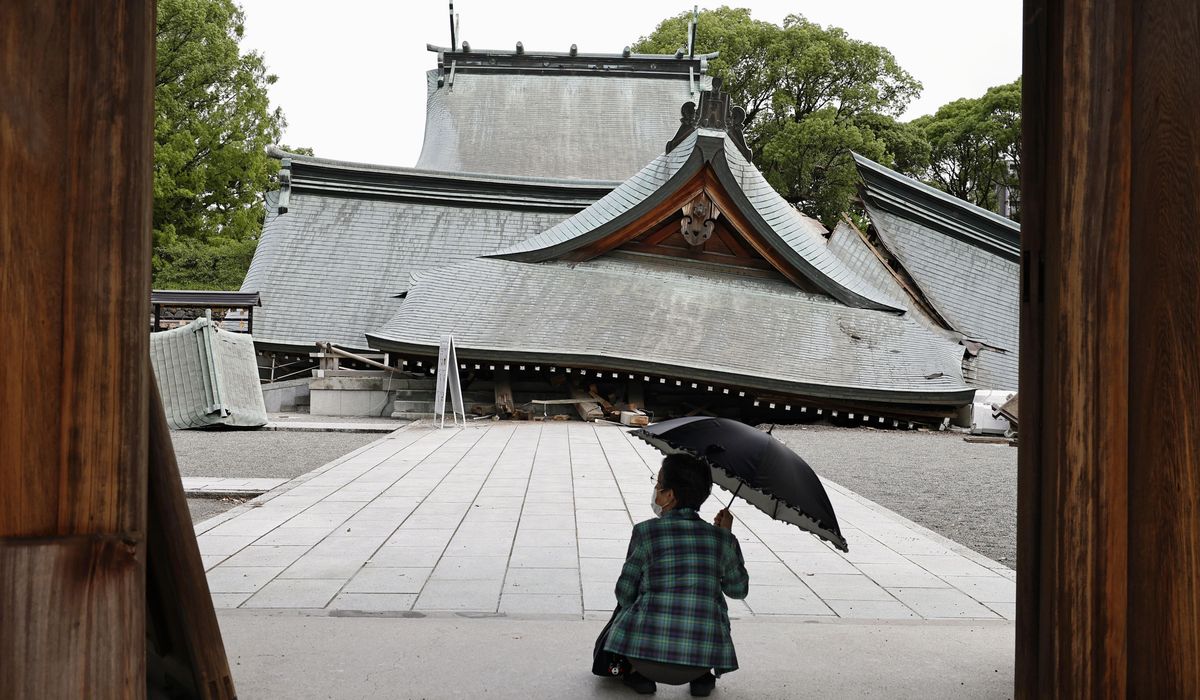
Japanese Prime Minister Sanae Takaichi said 13 people have been found dead after a powerful quake shook part of southwestern Japan and rescue work was continuing Wednesday morning for the missing. The tremor hit a region already familiar with seismic risk, and emergency teams moved quickly to check towns and transport routes. Authorities cautioned that aftershocks and unstable terrain could slow search efforts and complicate access.
Rescue crews have been scouring affected areas to locate survivors and recover those lost, working through debris and damaged roads. Local fire departments, police and volunteer groups coordinated to prioritize hospitals and shelters. The scale of the destruction varied from washed-out slopes to collapsed houses, creating a patchwork of urgent needs.
Utilities and transit networks were immediately inspected for safety, with some services suspended while teams assessed damage. Officials urged residents to avoid nonessential travel into hard-hit zones so emergency vehicles could move freely. Communication lines were prioritized to ensure hospitals and rescue teams had what they needed to operate.
Municipal governments opened emergency centers to register the displaced and to arrange temporary housing and supplies. Shelters aimed to provide basic needs while responders evaluated longer-term options. Volunteers and local businesses contributed food, blankets and other essentials to ease the first phase of displacement.
Medical staff focused on treating injuries and preparing for potentially critical cases, while triage points were set up near the most damaged neighborhoods. Hospitals with structural concerns were evacuated or limited to urgent care only. Mental health teams also began outreach to support survivors dealing with shock and loss.
Search teams used a mix of technology and hands-on methods, including drones, sniffer dogs and manual probes into unstable rubble. Rural and mountainous areas presented particular challenges for heavy equipment and crews working under threat of further slides. Coordination between national and prefectural teams helped route resources where they were most needed.
Community leaders asked residents to check on neighbors, especially the elderly and those with limited mobility, and to report anyone missing to local command centers. Simple checks at shelters and door-to-door outreach helped identify those who needed immediate medical attention or relocation. These neighborhood efforts often sped up rescues in pockets where official teams could not arrive right away.
The national government pledged logistical support for sustained operations, including supplies and transport. While details of national-level aid were being finalized, ministers emphasized a clear chain of command to avoid duplication and delays. Transparent communication about priorities was meant to keep both local responders and citizens informed as work continued.
Economists and infrastructure analysts noted the quake’s potential to disrupt local business and agriculture in the short term, especially in areas reliant on small-scale farms and regional supply chains. Repairing roads, power lines and water systems will be a priority to restore normal economic activity. Recovery plans will need to balance speed with safety, ensuring reconstruction does not put people back at risk.
Experts reminded residents to keep emergency kits ready and to follow official guidance on evacuation and shelter rules. Preparedness remains a key defense in quake-prone regions, reducing the strain on rescue teams and improving survival chances. Public messaging aimed to keep people calm and focused on practical steps while relief efforts proceeded.
International offers of assistance typically follow large natural disasters, and any outside aid would be coordinated through established diplomatic and emergency channels. For now, the focus remains domestic: finding the missing, treating the injured and stabilizing communities shaken by the event. Recovery will be measured in weeks and months as infrastructure is repaired and lives are rebuilt.

