

St. Mary’s residents are finally getting relief after years of a recurring rotten fish odor that would drift in on certain winds, following a coordinated cleanup and targeted municipal action to tackle the source.
The smell had been a fixture for years, arriving unpredictably and making daily life unpleasant for many people in town. Complaints built up over multiple seasons as residents reported nausea, headaches, and the persistent nuisance of foul air. That steady pressure pushed local officials to investigate and prioritize a permanent fix.
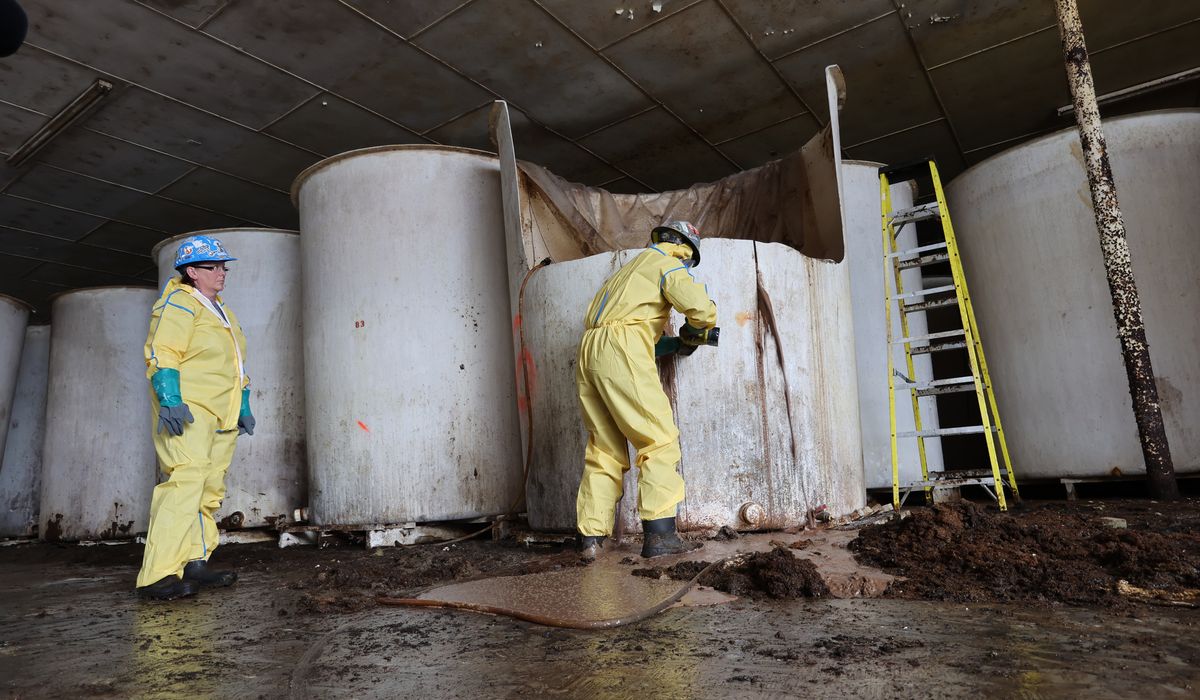
Investigators traced the problem to an old, disused processing area near the waterfront where organic waste and pooled liquids had been left to break down. Leftover byproducts and neglected storage tanks created a perfect environment for anaerobic decomposition, which produces the sulfurous, fishy odor residents described. Once identified, the site became the focus of a cleanup plan that aimed to remove the source rather than mask the smell.
The cleanup combined physical removal of decaying material with targeted soil remediation and odor-control measures during work hours to limit disruption. Heavy equipment was used to extract contaminated sediments and to stabilize the shoreline where runoff had concentrated spoil. Teams spread aeration material and applied treatments designed to accelerate natural breakdown of organics while contractors sealed or removed compromised storage structures.
Public health officials conducted air and water testing throughout the response to track improvements and ensure no secondary hazards emerged during cleanup. Results showed a marked reduction in volatile compounds tied to the smell as work progressed, giving officials confidence that the intervention was effective. Officials also set up a monitoring schedule to watch for any rebound and to verify that abatement efforts had lasting effect.
Local leadership invested in community communication to explain each phase of the plan and to address residents’ questions in real time. Regular updates, town hall briefings, and a dedicated hotline helped keep people informed about timelines and safety precautions. That transparency reduced frustration and allowed families to plan around work schedules and temporary traffic or access changes near the waterfront.
Beyond removing the immediate odor source, the town is pursuing preventive steps to keep the problem from returning, including stricter oversight of waterfront operations and clearer protocols for disposing of organic waste. New ordinances and inspection routines are being drafted to prevent recontamination of the shore and to ensure any future industrial or commercial activity meets odor-control standards. The aim is to turn a reactive cleanup into a longer-term resilience strategy.
Residents who endured the smell for years have voiced real relief and cautious optimism about the future. Many commented on the simple pleasure of open windows and clean air after work wrapped up, while others urged vigilance to make sure the fix holds. Municipal officials emphasized that ongoing monitoring and community reporting will be central to keeping St. Mary’s smelling like home instead of an abandoned processing site.

