

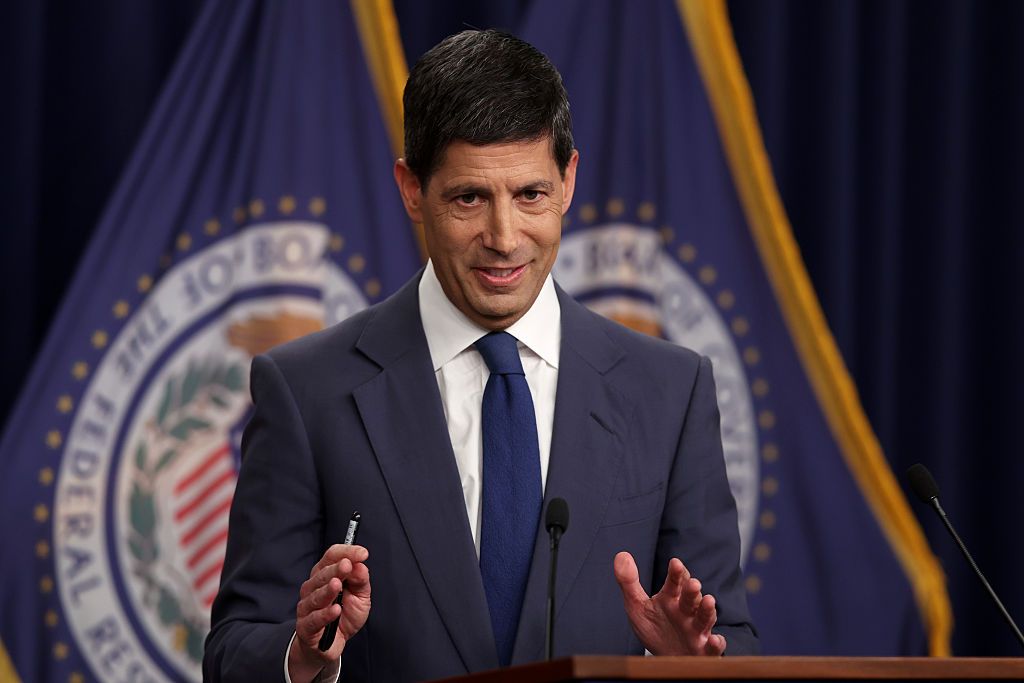
On Jul 31, 2026, Kevin Warsh urged patience and perspective as markets push the Fed to act, noting that “The Federal Reserve wants price stability but won’t raise interest rates.”
Kevin Warsh’s comments land at a tense moment for U.S. monetary policy, where inflation worries collide with growth concerns. He used the old line that Rome wasn’t built in a day to argue that fixing price dynamics takes time and steady policy, not sudden shocks. Markets, investors, and everyday Americans are parsing what that means for borrowing costs, savings, and asset prices. The line between calm stewardship and inaction is thinner than it looks.
Warsh has long been a voice on central banking and market signals, and his message reflects a common dilemma: how hard should the Fed press to cool prices before risking a slowdown? Officials face mixed data — some sectors show cooling while others remain stubbornly hot — and that muddles the case for immediate rate moves. Anchoring expectations matters, and signaling patience can be a tool in itself. But patience also risks being read as paralysis by markets craving clarity.
From a market standpoint, the tug-of-war shows up in bonds and equities. Bond yields often move on inflation forecasts and Fed guidance, and equities react to both growth prospects and rate expectations. When investors sense the Fed will avoid hikes, long-run rates can drift lower, fueling risk assets but squeezing savers. The challenge for policymakers is balancing those reactions without letting financial conditions run too loose or choke off recovery momentum.
For households, the consequences are tangible: mortgage rates, credit card costs, and the return on savings all hinge on the Fed’s path. If officials hold rates steady for longer, borrowers may cheer in the short term while savers feel the pinch. Meanwhile, price stability remains elusive in areas like housing and services, where supply constraints and labor dynamics complicate the picture. Fixing those pockets requires more than a single policy lever.
Politically, central bank choices ricochet through public debate and fiscal calculations. Lawmakers push for outcomes that ease voter pain, while central bank independence is supposed to shield decisions from short-term politics. Yet when prices bite, the pressure to show quick fixes intensifies, and that can tempt leaders to demand immediate rate action. Warsh’s emphasis on measured progress signals a preference for steady stewardship over reactionary moves.
Internationally, the Fed’s stance matters for global capital flows and exchange rates, and indecision can reverberate abroad. Emerging markets feel rate differentials sharply, and dollar moves affect trade and commodity prices worldwide. Central banks elsewhere watch the Fed closely, calibrating their own moves to protect domestic stability. In that web of interdependence, a U.S. pause or pivot creates a domino effect.
Looking ahead, the path will depend on incoming data and how markets interpret central bank language. Clear communication that sticks to measurable goals helps manage expectations without constant rate drama. Structural issues like labor participation, supply chains, and fiscal choices deserve attention alongside Fed policy. Pragmatic patience buys time to address those root causes while protecting the economy from unnecessary shocks.
What remains clear is this: the road to stable prices is neither instant nor strictly mechanical, and decisions will keep being a blend of evidence, judgment, and risk management. Jul 31, 2026 marks another chapter in that balancing act, with Warsh reminding observers that big fixes often require steady, incremental work rather than headline-grabbing moves.

