

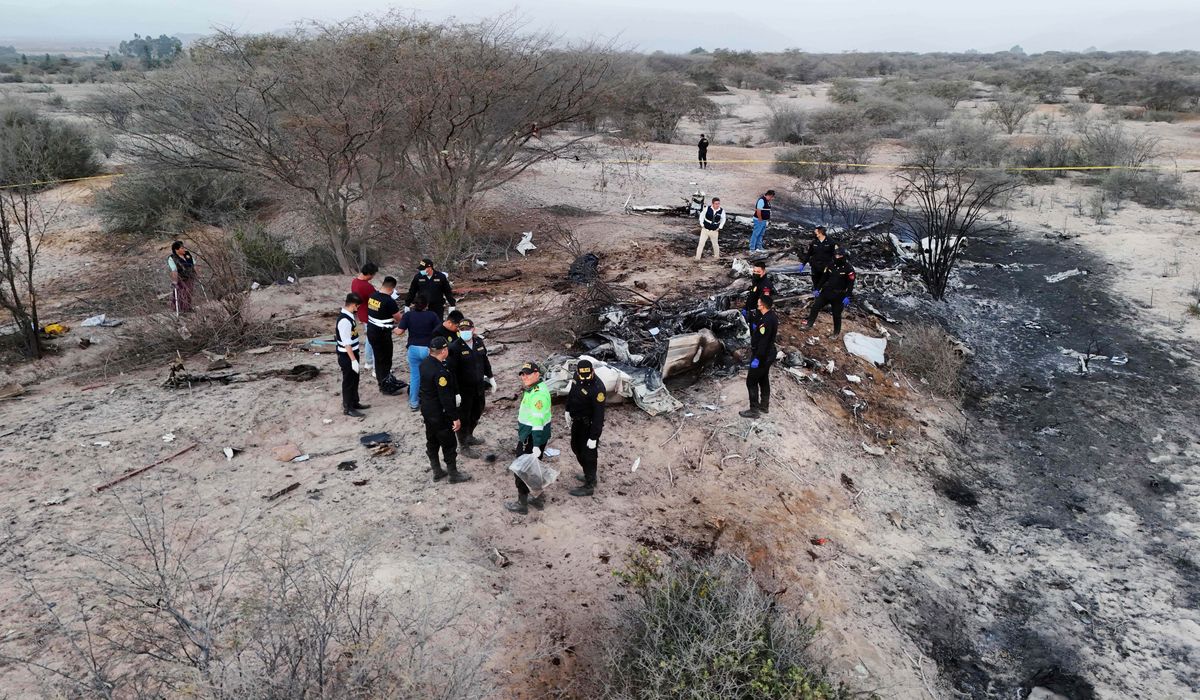
A sightseeing flight carrying European tourists crashed into a field near Nazca, Peru, on Saturday, killing 13 people, local authorities said. The flight was en route to view the Nazca Lines, the ancient geoglyphs that draw visitors from around the world. Officials confirmed the fatalities but have released few details about survivors or the cause as emergency teams worked at the scene.
Local authorities reported that the plane went down in a field outside the southern Peruvian city of Nazca, an area known for its arid plains and the famous Nazca Lines. The craft had been taking tourists to see the desert geoglyphs, a routine sightseeing route that attracts many international visitors. The crash left the community shaken and prompted an immediate response from first responders.
Emergency crews moved quickly to secure the site and tend to anyone who might have been injured, while investigators from aviation and safety agencies began an on-scene assessment. It wasn’t immediately clear what caused the crash, and officials emphasized that preliminary information is limited. Authorities typically need days to gather flight data, interview witnesses, and examine wreckage before drawing conclusions.
The Nazca Lines are a major draw for Peru’s tourism industry, and flights over the geoglyphs are a common offering for travelers seeking aerial views. Sightseeing flights follow predictable patterns, but any accident in the area raises immediate questions about safety protocols, aircraft maintenance, and pilot training. Tourism operators and regulators will likely face scrutiny as investigators work to reconstruct the timeline and conditions that led to this tragedy.
Local leaders and airport officials said they were coordinating with national authorities to manage the investigation and assist families affected by the crash. Peruvian aviation authorities typically release formal statements once initial probes establish more facts, including passenger lists and aircraft details. Until then, updates tend to be limited to basic confirmations and appeals for patience as investigators do their work.
Eyewitness accounts from people near the crash site helped emergency teams establish how quickly the response unfolded, but those accounts need to be corroborated by official findings. Photographs from the scene that appeared on social channels showed wreckage in a remote field, underscoring the challenging terrain first responders faced. Officials cautioned against drawing conclusions from early images and videos that may not capture the full context.
For families of the victims and the broader tourism community, this accident is a stark reminder of the risks that can accompany commercial sightseeing operations. Companies involved in aerial tours may need to review safety procedures, maintenance records, and pilot qualifications in the wake of the incident. Regulators will be expected to outline any immediate steps to prevent similar tragedies while the formal investigation continues.
International attention around the Nazca Lines means that this crash will be followed closely by foreign governments and travel agencies, particularly because the flight carried European tourists. Consular officials often get involved when citizens from abroad are affected, offering assistance and coordinating with local authorities. As more verified information becomes available, official channels will provide the confirmed passenger manifests and details about the aircraft involved.
Peru’s aviation investigators are tasked with piecing together the final moments of the flight and determining whether mechanical failure, human factors, weather, or a combination of issues led to the crash. The process typically includes analyzing black box data if available, inspecting the wreckage, and reviewing maintenance logs and pilot records. Until those steps are completed, authorities urged caution in reporting and emphasized their commitment to a thorough, evidence-based inquiry.

