

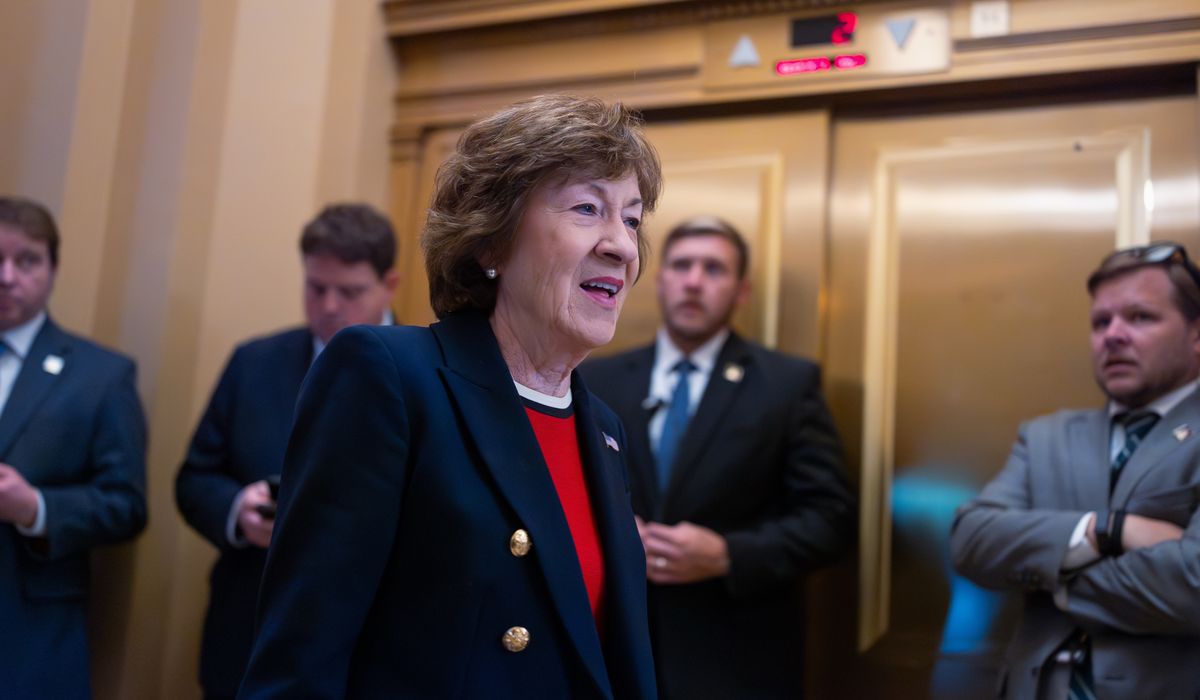
The Senate will hold a test vote Monday on a stopgap appropriations bill released Sunday evening that aims to keep the government open through Dec. 11, and the measure carries bipartisan support as lawmakers work under a looming deadline.
Senators will face a simple, high-stakes question Monday when they cast a test vote on the short-term funding plan. The stopgap bill is meant to stop a government shutdown by extending funding until Dec. 11. It was released Sunday evening and shows bipartisan support, but the vote is a first step, not a finish line.
Republicans have been clear that a temporary measure can be useful when it buys time to negotiate real reforms. Many conservatives want spending discipline and stronger border controls tied to any long-term funding. A short-term deal that simply delays the fight without addressing those priorities is a risk lawmakers know well.
On the other side, some members across the aisle view the interim bill as a breath of relief that avoids the immediate chaos of a shutdown. Bipartisan backing for the proposal reflects a common desire to keep services running and paychecks flowing for federal workers. Still, bipartisan does not mean unanimous, and the margins could be tight when senators record their choice.
Practical consequences drive much of the urgency. Agencies operate on tight schedules and planned programs need predictable funding to avoid disruption. A clean stopgap keeps the lights on, but it also creates another deadline in December when the debate must be revisited. Lawmakers understand that kicking the can down the road makes December negotiations more intense.
From a Republican perspective, the crux of the matter is leverage. A short extension that preserves leverage to press for spending caps, accountability, and border enforcement can be a useful tool. If the temporary fix comes without commitments or bargaining chips, it simply postpones the tougher decisions conservatives want to see made.
Political realities in both chambers shape how this moves forward. Leaders will watch the test vote result to calibrate strategy, and backroom talks will continue even after Monday. House and Senate calendars, committee work, and outside pressures from constituencies all influence whether negotiators try to lock in a longer deal or punt again to December.
For voters and federal employees, the immediate question is stability versus uncertainty. A stopgap that keeps the government open through Dec. 11 prevents immediate service disruptions, but it also sets the stage for another confrontation before year-end. Lawmakers must decide whether to use the extra time to hammer out durable agreements or to treat the extension as a temporary bandage.

