

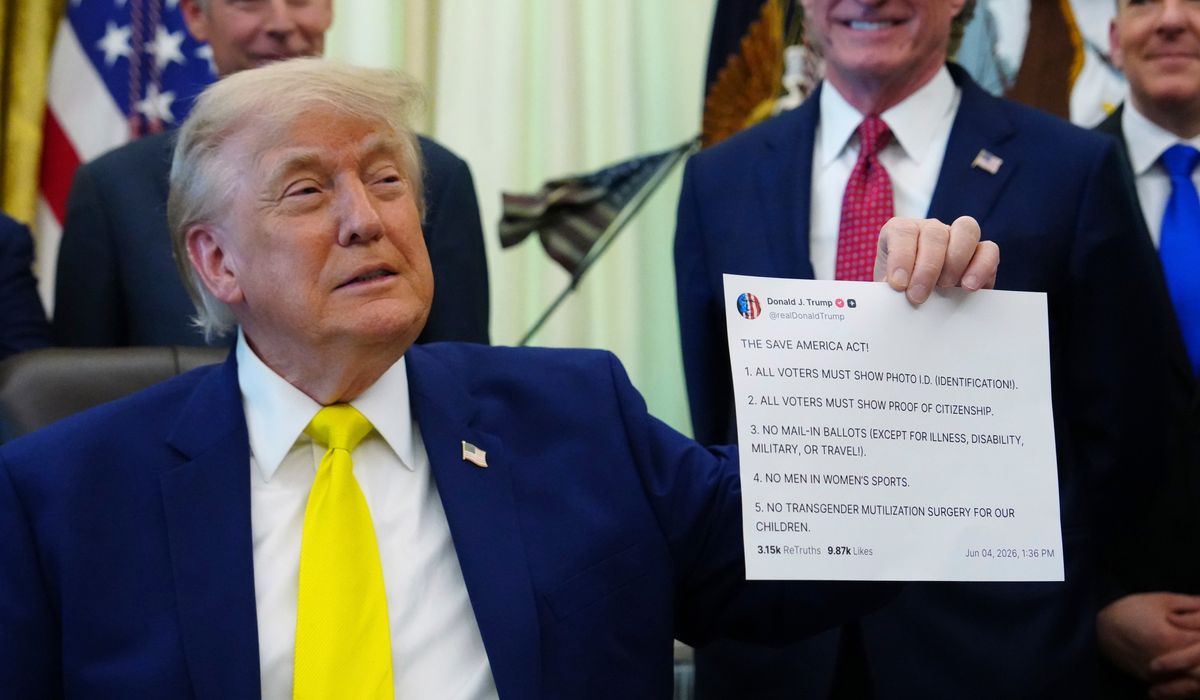
Trump Media is charging up to $100,000 a month for early access to Trump’s Truth Social posts and is offering a discount for three-year contracts, a pricing gap that signals how the company is testing demand and financing its next phase.
Trump Media has begun pricing early access to Truth Social posts as a premium product, with rates reaching $100,000 per month for the highest-tier placement. Alongside that top-line fee, the company is proposing long-term deals that include discounts for three-year commitments. Those two facts alone reveal a lot about what the company values and how it plans to sustain itself.
The headline number is striking, but it makes sense if you think of this as direct access to a unique audience. Trump’s followers are an engaged, motivated base that many political actors and advertisers want to reach without the filters of legacy platforms. Charging for early visibility converts that attention into a clear revenue stream instead of relying solely on advertising or venture capital.
Offering discounts for multi-year contracts is an old-fashioned way to buy predictability. It gives advertisers or political groups a reason to lock in a relationship and gives the company upfront revenue and a clearer forecast. For a platform that needs to prove its business model, those long-term deals reduce uncertainty and can stretch limited cash into months of operation.
From a Republican point of view, this is market discipline in action — charging for a product commensurate with its demand. If audiences pay attention and clients are willing to pony up, it shows the platform has real value. That is preferable to begging for subsidies or depending on fickle ad markets controlled by competitors.
There are strategic reasons to price the way Trump Media is pricing. High monthly rates create a perception of premium placement, which can amplify perceived value and attract big spenders. Meanwhile, the three-year discount option appeals to campaign operatives and PACs that plan long arcs of messaging and need a guaranteed channel for sustained outreach.
How long those three-year deals last in practice will tell you how confident the company is in its growth trajectory. A steep discount for a long commitment suggests a need for cash now, while modest discounts hint at confidence in future organic revenue. Either way, the split between monthly and multi-year pricing gives outsiders a peek at the firm’s priorities.
This pricing approach also answers a practical question: who pays for early access? The likely buyers are political committees, candidates, and aligned interest groups that view priority posting as a strategic advantage. Big donors and sympathetic organizations can treat these placements as direct investments in voter persuasion and turnout.
There are risks to relying on transactional revenue from premium posts. If the audience or engagement levels drop, the value proposition collapses quickly. A future legal or regulatory development could also affect how platforms monetize politically charged content, so the model is not without vulnerability.
But the model offers freedom from ad networks that have historically de-platformed conservative voices. By selling premium access directly, Truth Social reduces dependence on third-party ad systems and retains control of its distribution and pricing. That control is precisely what many backers want after years of feeling boxed out by mainstream tech gatekeepers.
One practical takeaway is that this pricing experiment doubles as a market signal. If the highest tiers sell out, that shows there’s willing spending power behind the brand. If long-term contracts dominate, the company secures stability but sacrifices some monthly revenue potential. Observing what buyers choose will be as informative as the price itself.
Investors and stakeholders will watch how buyers use those early-access posts and whether the placements move metrics that matter, like donations, sign-ups, or event attendance. Strong performance will justify high prices and invite competition from other niche platforms. Weak performance will force the company to rethink pricing or product design.
For conservative supporters, there’s a broader principle at play: monetizing influence is not shameful when the market rewards it. Platforms associated with particular political viewpoints have a right to pursue sustainable business models that reflect their audience’s loyalty. Charging for scarce access is a practical way to translate loyalty into a functioning enterprise.
Ultimately, the gap between a $100,000 monthly rate and discounted three-year deals is a diagnostic tool. It tells you how Truth Social values immediacy versus stability, how confident it is in future demand, and how willing its backers are to underwrite that vision. Watching which contracts sell will reveal more than the numbers alone.

