

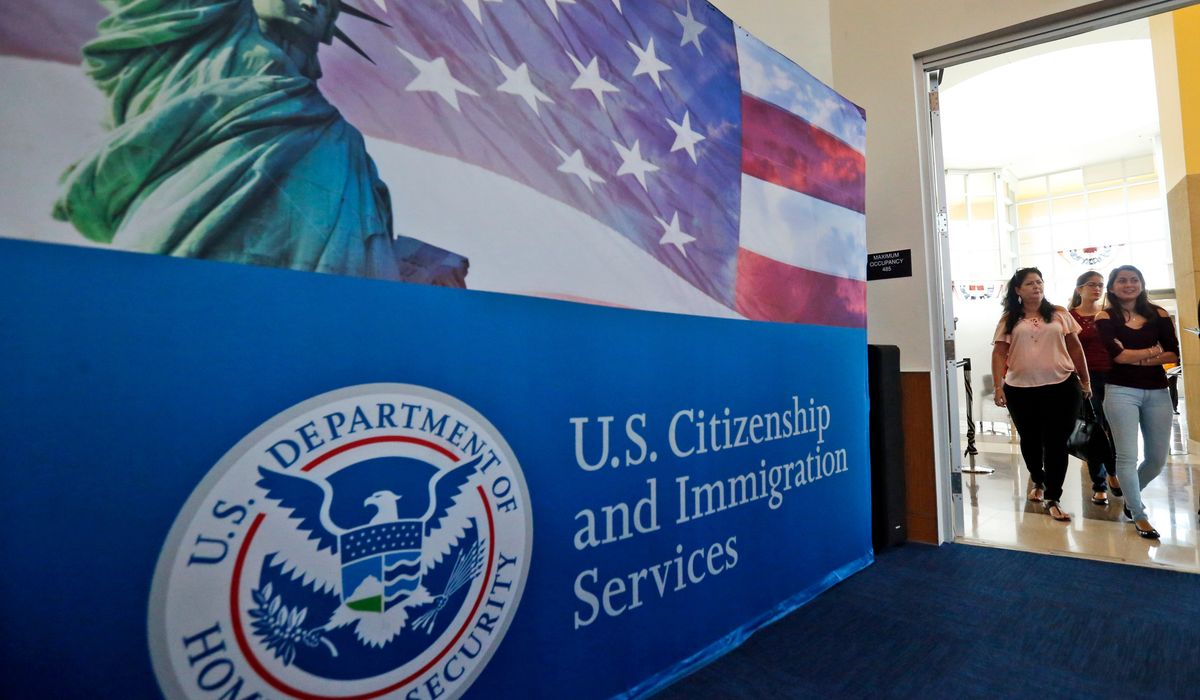
A federal judge in Maryland ordered the Department of Homeland Security to set aside a policy that blocked outside groups from showing up at naturalization ceremonies to register newly minted citizens.
The ruling came after DHS implemented a new policy barring outside organizations from attending naturalization events to conduct registration or outreach. The policy had prevented civic groups, advocacy organizations, and volunteers from offering voter registration or related services right at the ceremonies where people take the oath.
For months the change was presented as a way to manage ceremonies and preserve order, but it had the practical effect of shutting out outside actors who often help recent citizens take the final steps into civic life. Those groups argue they provide useful information and assistance at a sensitive moment when new citizens are ready to engage in the political process.
From a Republican perspective this decision lands in the middle of two concerns: protecting the integrity and solemnity of naturalization ceremonies, and preventing federal agencies from quietly expanding power to restrict civic activity. Courts exist to check executive overreach, and this order is a reminder that agencies cannot rewrite the rules of public participation without legal justification.
At the same time, Republicans worry that leaving ceremonies open to partisan registration drives could turn a solemn civic rite into a platform for organized political activity. There is a legitimate interest in keeping the oath of citizenship free from pressure or spectacle, while also ensuring newly minted citizens get accurate information about their rights and responsibilities.
The judge’s instruction to set aside the policy does not necessarily decide the final legal questions, but it does force DHS to step back and explain its actions under court scrutiny. That procedural check matters. It requires the agency to show a solid legal basis before it can cut off public access to events where Americans are welcomed into citizenship.
Practically speaking, the ruling means groups that were previously turned away can return to ceremonies and offer assistance, at least until the court issues a final ruling. DHS will have to rethink how it frames any future restrictions and must do better at justifying limits if it wants them to stick. This could lead to clearer, narrowly tailored rules that respect both ceremony integrity and civic engagement.
The bigger takeaway is institutional: agencies cannot quietly change the rules around core civic moments without facing legal pushback. Naturalization ceremonies are public, meaningful events; they demand respect and clear rules, not unilateral bureaucratic moves that shut out trusted community partners.

