

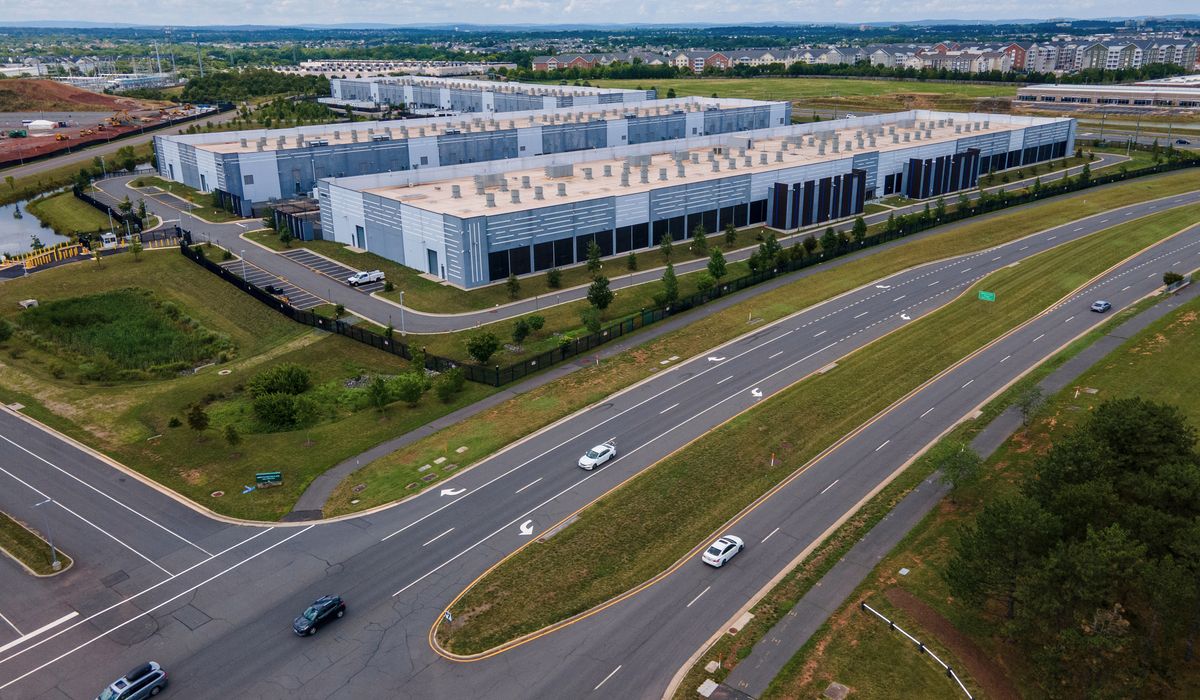
Virginia lawmakers are considering tighter rules on the state’s growing data center sector as residents report noise, higher utility bills and other quality-of-life problems tied to powerful facilities and their infrastructure.
Communities across Virginia are pushing back against the rapid expansion of data centers that hum with constant cooling systems and generate heavy electricity demand. Local leaders say the spread of these facilities has led to louder neighborhoods, changes in road use and surges in local utility costs that worry homeowners. At the same time, officials in Richmond are debating what regulatory tools to use to respond without stifling investment.
Residents describe steady, intrusive noise from cooling equipment and backup generators that can alter daily life in formerly quiet suburbs and rural areas. People also point to higher energy use and increased utility rates as municipal grids stretch to serve massive server farms. Those concerns are feeding petitions, town hall meetings and testimony to lawmakers who want to balance growth with livability.
County supervisors and planning boards are reconsidering zoning rules and permits to give them clearer authority over where centers can be built and how they operate. Proposals include stricter sound limits, setback requirements and better environmental reviews before approvals are granted. Officials say tighter local controls could give neighbors a real voice in decisions that affect noise, traffic and visual impact.
State legislators are weighing broader measures as well, looking at amendments to tax incentives and statewide permitting that currently favor rapid construction. Some lawmakers argue incentives should be tied to stronger community protections and limits on local disruption. Others warn that removing incentives could drive projects to other states and cost Virginia jobs and investment.
Data center operators counter that the facilities bring substantial economic benefits, such as construction jobs, ongoing technical positions and new tax revenue for cash-strapped localities. They also stress the importance of reliable infrastructure for the digital economy, arguing that modern services depend on secure, always-on data storage and processing. Industry representatives say many complaints can be addressed through engineering solutions and careful site selection.
Environmental issues have entered the debate, with questions about water use, groundwater impacts and the carbon footprint of powering huge server rooms. Some community advocates want binding requirements for energy efficiency, water recycling and use of renewable energy to reduce long-term environmental strain. Legislators are exploring options that would encourage greener operations without imposing prohibitively costly mandates.
Utility providers and regulators are watching closely because data centers can shift load patterns and require upgrades to transmission lines and substations. Upgrading infrastructure is expensive and often falls to utilities or ratepayers, which fuels the concern about rising bills. That dynamic complicates decisions on where and how many centers are appropriate for a locality.
Policy discussions now include a mix of local zoning adjustments, state-level statutory changes and voluntary industry commitments on noise, energy and water practices. Lawmakers face the challenge of crafting rules that protect residents while keeping Virginia competitive for technology investment. The outcome will shape how communities and companies coexist as demand for data processing continues to grow.

