

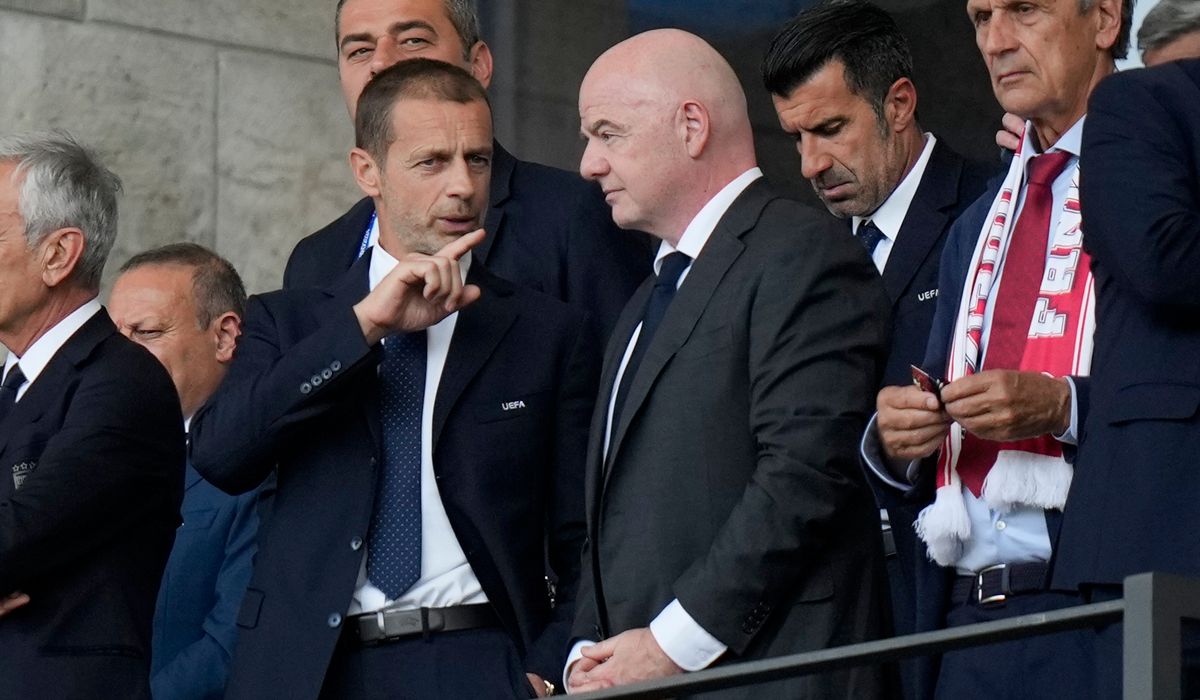
FIFA has acknowledged mistakes tied to Gianni Infantino’s effort to bring outside investors into the World Cup and held an internal crisis meeting that involved senior staff.
FIFA’s handling of a proposal connected to the World Cup has become a public problem that the organization is now trying to manage. The governing body admits shortcomings and is taking steps to explain what went wrong. That process is messy and it is happening under a lot of media attention.
The issue centers on a previously floated idea to involve private capital with the tournament’s commercial rights, which sparked immediate concern among member associations and observers. Questions focused on governance, transparency, and whether procedures had been followed. Those concerns forced FIFA to respond quickly and publicly.
Inside FIFA, the situation prompted an emergency meeting that brought senior officials together to assess damage and decide next steps. The assembly aimed to map out how the proposal progressed and why oversight failed to catch key risks. Participants left with a sense that firm corrective action was needed.
Publicly, FIFA issued an apology for the errors tied to the proposal and acknowledged the reputational cost. That apology is part of a wider effort to reassure federations and sponsors that the institution remains committed to proper standards. Still, apologies only go so far when trust has been shaken.
For many national associations the episode revived long-standing worries about concentrated decision-making at the top of global sport. Those federations want clearer rules, better disclosure, and routine checks to prevent similar episodes. The demand is for governance that limits surprises and preserves the game’s integrity.
Independent oversight bodies and auditors are likely to get more scrutiny as a result, with calls to review how strategic commercial moves are examined before they are announced. That review will probably examine board procedures, conflict-of-interest checks, and the channels through which commercial proposals are vetted. A revamped process would aim to prevent rushed deals and reduce ambiguity.
Sponsors and commercial partners also face questions about how they protect themselves when governance lapses occur at the organizations they support. Brands expect predictable rules and sound governance given the scale of investment in major tournaments. The commercial fallout could affect future negotiations and valuations unless clarity is restored.
Member federations will watch FIFA’s next moves closely and press for concrete reforms rather than vague promises. Those federations hold the real authority in FIFA’s structure and their consensus will shape what reforms are feasible. Momentum for clearer checks and more transparent decision-making is building inside the sport.
FIFA said Wednesday it had apologized for errors made over Gianni Infantino’s failed plan to sell stakes in the World Cup and that senior staff in attendance at a crisis meeting in Morocco “

