

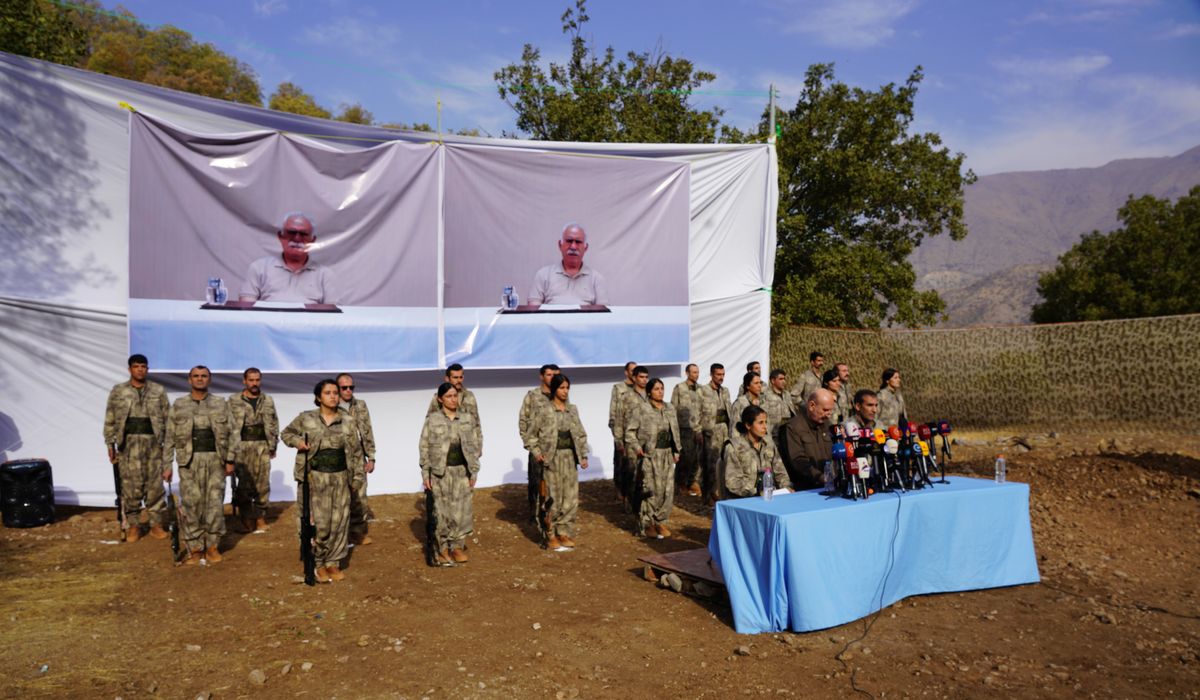
Turkey’s parliament has opened debate on a draft bill proposing a conditional amnesty for thousands of Kurdish militants, offering a pardon-like path that aims to change the course of a long-running conflict.
The bill under discussion would create a legal framework for militants to lay down arms and return to civilian life under strict conditions. Supporters argue it could reduce violence and bring fighters back into society without blanket immunity for past crimes.
On the floor of parliament the debate split lawmakers along clear lines, with proponents framing the measure as a pragmatic step toward stability. Opponents warned that any leniency must not undermine security or the principle that violence has consequences.
From a Republican viewpoint, the core concern is clear: national security and the rule of law must come first. Any amnesty-like mechanism needs ironclad checks to prevent militants from exploiting leniency while ensuring victims see justice served.
Practical safeguards should include robust vetting, transparent criteria for eligibility, and ongoing monitoring of those who are reintegrated. Conditional release must tie directly to disarmament, verified by independent observers, and include clear penalties for violations.
There are also political risks. A rushed or poorly designed policy could be politicized, giving the appearance that violent acts are negotiable currency in the halls of power. Lawmakers should avoid shortcuts and insist on bipartisan oversight to preserve public trust.
Reintegration programs will need funding and structure: job training, community support, and psychiatric services for former fighters are essentials, not extras. Yet reintegration cannot replace accountability; civilian courts and proper legal processes must remain central to any transition.
Victims’ rights must be a visible part of the conversation, not an afterthought. Families who endured attacks deserve reparations and a say in how amnesty is applied, and the state must prioritize their security and dignity throughout the process.
International observers may welcome steps toward de-escalation, but foreign approval cannot substitute for domestic consensus and clear legal standards. The Turkish state’s sovereignty and its duty to protect citizens must drive the design and oversight of any conditional amnesty.
Parliament’s debate should focus on measurable outcomes: fewer attacks, secure communities, transparent justice, and reduced recruitment into militant ranks. If lawmakers craft a policy that balances firm consequences with realistic reintegration, the country could move toward a calmer future without compromising law and order.

