

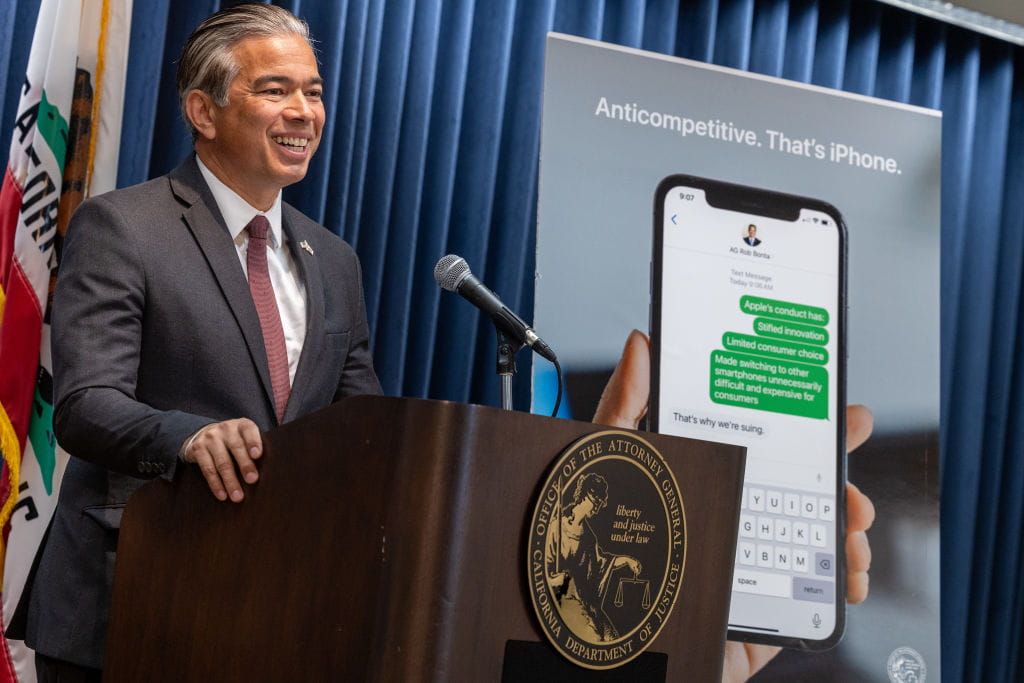
Rob Bonta, California’s attorney general, finds himself at the center of fresh allegations linking his office to claims involving Paramount, and the situation has added an unexpected political dimension to the industry fight over streaming. The fallout is drawing sharp criticism from Republican circles that want transparency, accountability, and a full accounting of any potential conflicts between state power and powerful media companies.
Rob Bonta has been the target of intense attention as questions swirl around reported Paramount corruption claims, and those questions land squarely on how the attorney general’s office conducts itself when big media money is involved. The phrase “The streaming wars have a new political twist.” captures how cultural and commercial battles have bled into political scrutiny. For conservatives watching Sacramento, this is less about studio rivalry and more about the integrity of law enforcement in a media-saturated era.
The allegations, as they have been described in public coverage, raise concerns about whether officials gave preferential treatment, delayed action, or otherwise allowed industry influence to shape enforcement priorities. Those are serious charges in any context and they deserve a straight, public response that clears the air or leads to consequences. Republicans argue that if there’s even the appearance of impropriety, the attorney general should be subject to a full ethics review and a transparent investigation.
From a practical standpoint, the controversy intersects with larger debates over how tech and entertainment giants operate and lobby in state capitals. Streaming services and legacy studios spend big to shape policy and public opinion, and when allegations touch elected or appointed officials, the story becomes a test of whether political leaders will answer to voters or to corporate power. That dynamic explains why conservative lawmakers and watchdogs have ramped up calls for subpoenas and records from the attorney general’s office.
The political optics are simple and sharp. An attorney general in a state as consequential as California must avoid anything that could be seen as a conflict of interest, especially when the parties involved control vast cultural influence. Republicans framing this issue are pushing for clear lines: no special favors, no backroom deals, and no blurred boundaries between enforcement and industry access. The demand is for a system that treats everyone equally, regardless of how big or well-connected they are.
What happens next depends on whether investigators and oversight bodies move quickly and transparently, and whether the attorney general’s office cooperates fully with legitimate probes. Republicans will be watching not just the legal process but also the degree of openness, the speed of document production, and whether any personnel decisions follow. The goal from that perspective is not political theater but a factual accounting that restores confidence in public institutions.
Beyond immediate legal questions, the episode has broader implications for the streaming market and regulatory policy. If lawmakers conclude that industry influence skewed enforcement priorities, that could lead to new restrictions on lobbying, disclosure rules, or tighter gift and meeting logs for high-level officials. Conservatives who worry about unchecked corporate influence see this as an opportunity to push for clearer rules that protect consumers and taxpayers from insider deals.
Voters in California and beyond will likely treat this as part of a larger pattern about how power is exercised in our modern media ecosystem, and Republicans expect ethics and accountability to be central themes going forward. The coming weeks should reveal whether state institutions act decisively or whether the matter fades with only partial disclosures. Either way, the intersection of streaming competition and political oversight is now a story with lasting consequences for trust in public office.

