

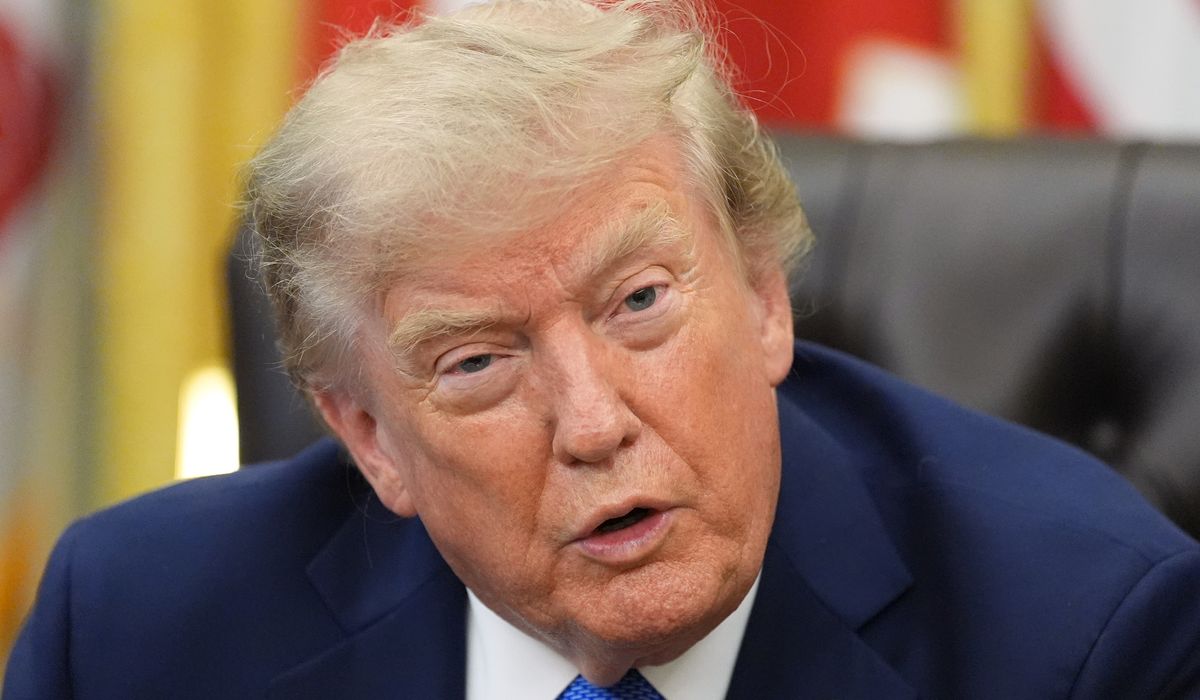
President Trump on Monday warned that “jihadists” are being elected “all over the place.” He framed that as a clear national-security problem that demands straightforward answers from leaders and voters alike.
When a president uses language like “jihadists” and says they are being elected “all over the place,” voters should sit up and pay attention. This is not a debate about rhetoric; it’s a warning about the direction of power in local and national governments. Conservatives argue that recognizing a threat is the first step toward stopping it.
The concern centers on who wins office and what they stand for on security, immigration, and enforcement of laws that protect Americans. Republicans see an urgent need to tighten vetting procedures and apply consistent standards to anyone seeking public office. The argument is simple: electors deserve to know if a candidate’s loyalties and priorities match the nation’s security interests.
Border policy and immigration controls are part of the same picture, because porous borders make it harder to track potential threats. From a Republican viewpoint, secure borders are not optional; they are the foundation of a functioning immigration system. Without basic enforcement, the consequences play out at the ballot box and on the streets.
Another element is the role of local jurisdictions and election rules that can let fringe actors gain influence. Conservatives worry that some communities lack the structures to spot and push back against radical organizing. That gap creates an opening for candidates who may not share mainstream values to gain footholds.
Republicans also point to uneven media coverage and the way political elites respond to warnings. When establishment figures dismiss legitimate security concerns, it weakens public confidence in the institutions meant to protect the country. The conservative case is that transparency and accountability beat complacency every time.
Law enforcement and intelligence agencies need clear mandates and resources to do their jobs without partisan interference. From the GOP perspective, professional, well-funded agencies that follow the law are the best defense against ideological threats. Politicizing those institutions only hands advantages to the very actors who want to exploit chaos.
Voter responsibility is part of the equation: Americans must weigh character, background, and stated ideology when casting ballots. Republicans emphasize practical questions about governance and loyalty over abstract arguments about inclusion. That approach aims to keep politics focused on safety, prosperity, and rule of law.
There is also a legal side: elected officials who endorse or enable violence or extremist aims can be investigated and, where appropriate, held to account. The GOP view stresses enforcement of existing statutes and the careful use of civil and criminal tools to protect the public. Upholding the law consistently is the clearest way to remove dangerous actors from power.
Policy solutions promoted by conservatives include stronger vetting for candidates in sensitive roles, improved information-sharing among law enforcement, and clearer standards for foreign influence. These are practical steps that avoid ideological ambiguity and put national security first. Republicans argue such measures are common sense, not partisan theatrics.
Finally, there’s a cultural argument about civic norms and loyalties that shape public officeholders. The Republican stance favors leaders who put the nation first and respect constitutional principles. That emphasis on loyalty and competence is what they say will keep communities safe and preserve American institutions.

