

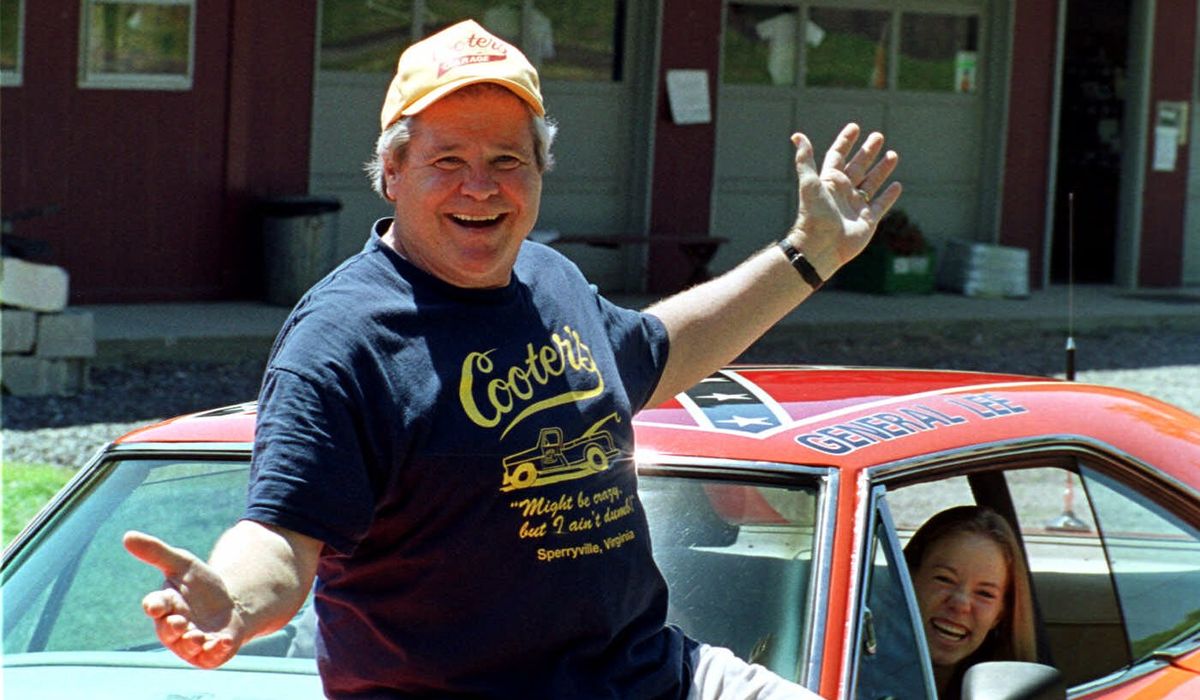
Ben Jones, the actor best known as the “good ol’ boy mechanic” on “The Dukes of Hazzard,” has died at 84 after a life that bridged entertainment and elected office. He was 84.
Ben Jones rose to national recognition in the 1970s and 80s for his role on “The Dukes of Hazzard,” where his on-screen persona connected with viewers through plainspoken charm and a knack for comic timing. He brought a familiar Southern friendliness to the small screen that helped make the show a staple of weekend TV lineups. That visibility opened doors beyond acting and set the stage for a surprisingly public second act.
Instead of staying strictly in entertainment, Jones moved into politics and turned his television fame into a platform for public service. He served two terms in the U.S. House, trading the studio lights for the committee room and a different kind of public scrutiny. His path from pop culture figure to elected representative underscored how television visibility can translate into real political capital.
After his time in Congress, Jones continued to appear in public life in ways that leaned on his celebrity while reflecting his interest in civic matters. He would pop up at fan events, offer interviews about his dual careers, and participate in community conversations that tied his entertainment experience to broader civic themes. That continuity kept him visible to both long-time fans and new audiences curious about the crossover between TV fame and politics.
Fans responded to his passing with a mix of nostalgia and gratitude for the moments he created on screen and in public office. For many viewers, his character on “The Dukes of Hazzard” was shorthand for a certain kind of easygoing, helpful neighbor, and that image lingered long after the episodes stopped airing. In Washington and beyond, colleagues remembered a figure who had moved comfortably between worlds and used his platform to engage voters directly.
Jones’s career highlights how entertainment can shape political opportunity, and how a recognizable face can change the tone of civic conversations. He navigated those changes with a straightforward style that made him accessible to people who might not normally follow politics. That accessibility was central to his appeal and helped explain both his television success and his electoral wins.
The cultural imprint of “The Dukes of Hazzard” remains visible in reruns, conventions, and the ongoing appetite for nostalgic television, and Jones was a big part of that legacy. His contributions to the show and his later public life are often mentioned together, as examples of how pop culture figures can become public servants and maintain a presence across different arenas. Those echoes of his work kept him in the public eye for decades.
By the time of his passing, Jones had built a record that mixed entertainment and public service in a way that is still familiar to modern audiences who watch actors move into politics. His life story is a reminder that careers can pivot dramatically and that public profiles developed on screen can be redirected toward the ballot box. For many, he will be remembered as both a recognizable television presence and a former lawmaker who brought a performer’s directness to public life.

