

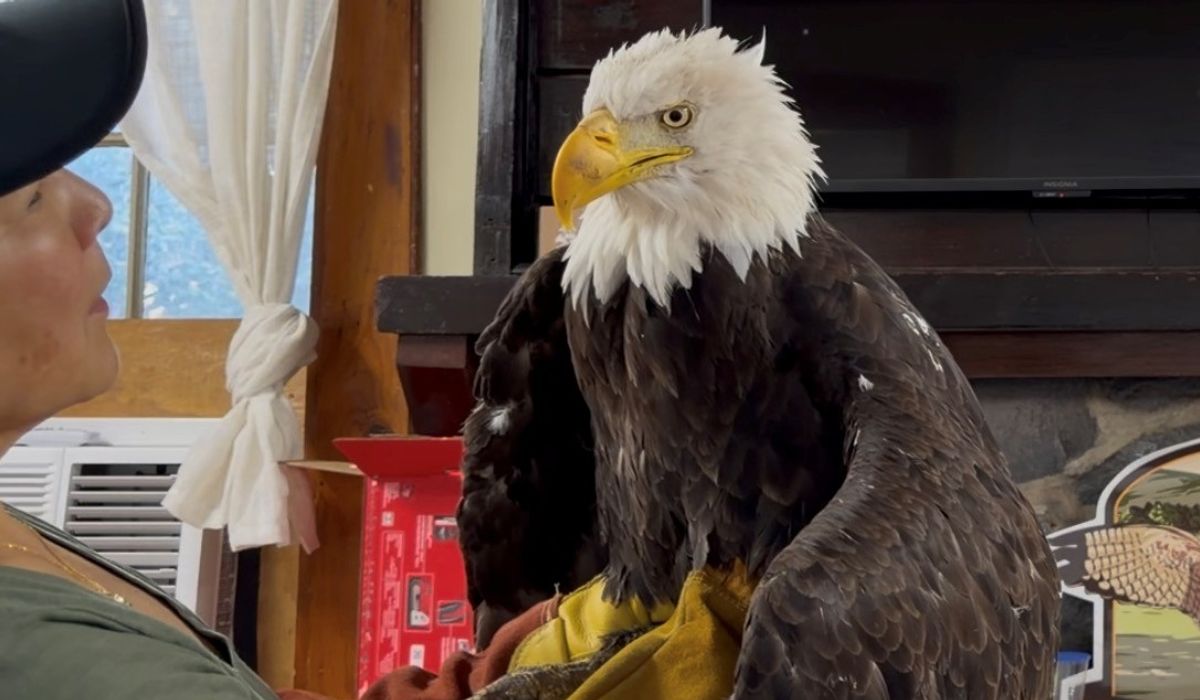
Jackie, a bald eagle that became an internet sensation and a symbol of California’s recovery for the species, died Monday after being treated for an illness at a veterinary facility.
Jackie drew attention beyond the usual wildlife circles, turning into a familiar face for people tracking bald eagle recoveries across California. Photographs and clips of the bird circulated widely online, making Jackie an easy touchpoint for conservation conversations. That public presence helped many people connect emotionally with the idea that active efforts can bring species back from the brink.
The bird had been under care at a veterinary facility when staff treated an illness and ultimately reported Jackie’s passing. That timeline is a blunt reminder that even high-profile animals can face sudden, serious health crises. Veterinarians and caretakers worked to diagnose and treat what they could, but the outcome was not what supporters had hoped for.
Local wildlife groups and rehabilitation centers often balance public interest with the messy realities of wildlife medicine, and Jackie’s case was no different. Handling a large raptor like a bald eagle requires specialized expertise, equipment, and quick decisions. Those teams try to act in the best interest of the animal while also managing the expectations of a watching public.
Jackie’s visibility made the eagle more than one more entry in a recovery ledger; the bird became a cultural touchstone for people who wanted to see conservation succeed. Photos and posts that featured Jackie helped draw donations and volunteer attention to regional habitat work. That kind of engagement can translate into real-world actions like habitat protection and support for rescue programs.
Even after an animal dies, its role in raising awareness can endure, helping others follow the same path toward recovery. Jackie’s story may now serve as a prompt for renewed interest in monitoring, nesting protection, and pollution reduction efforts that support the species. Conservation wins are rarely tidy, and public figures like Jackie highlight both progress and ongoing challenges.
The loss also raises practical questions for veterinarians and wildlife managers about monitoring protocols and how to share information with the public. Transparency helps maintain trust, but it also opens rescuers to second-guessing from people who are emotionally invested. Teams that handle high-profile cases walk a line between educating the public and focusing on the best clinical practices.
Jackie’s presence online and in the field helped many people see bald eagles as living creatures with specific needs rather than as distant symbols. That shift in perception matters when policies and funding get weighed at local and state levels. The bird’s legacy will likely be measured less by one moment and more by whether interest translates into sustained support for habitat and wildlife health programs.

