

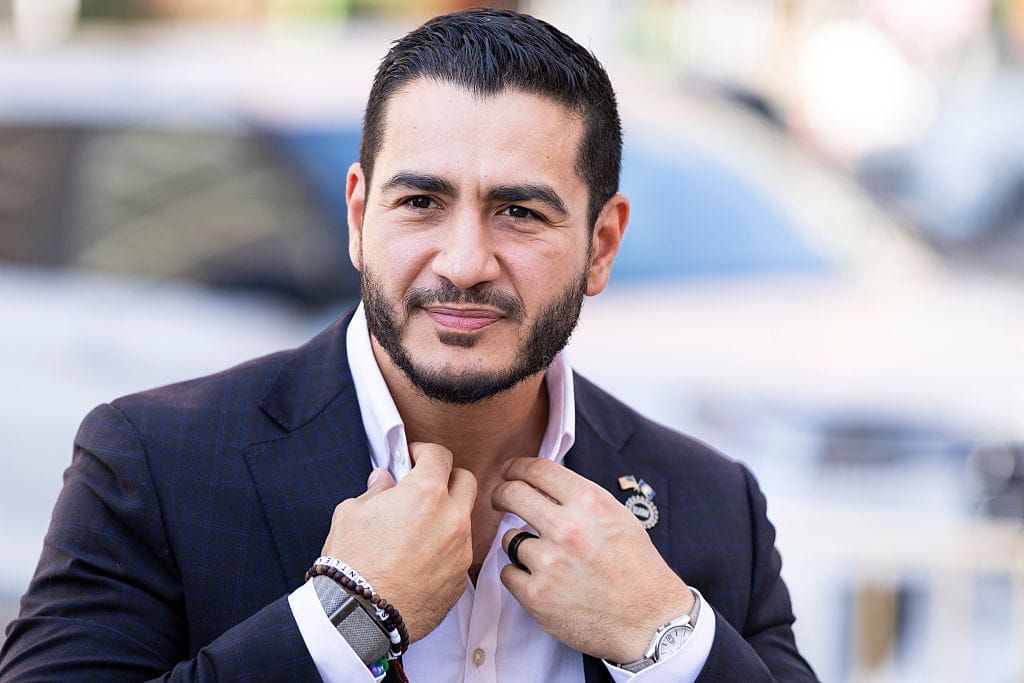
A roundup of how several 2028 presidential hopefuls suddenly began praising Abdul El-Sayed, and what that shift reveals about politics right now.
On Aug 11, 2026, a noticeable rush of compliments for Abdul El-Sayed started showing up from figures positioning themselves for 2028. The sudden warmth from some potential candidates looks less like conviction and more like calculated gesture. “Taking pandering to a new level.” captures the tone many voters are feeling when they see political performance over principle.
Abdul El-Sayed is known as a progressive former health official and an outspoken voice on national issues, and that profile makes him useful to a certain lane of politicians. Those who now flatter him are often trying to secure favor with activist bases and media circuits rather than sell a coherent policy agenda to the broader public. From a Republican perspective, this mass admiration is a useful example of how the left chases approval instead of addressing practical governance questions.
When hopefuls pivot quickly to embrace a single figure, it tells voters something important about priorities: optics outweigh substance. The shift toward universal praise of El-Sayed suggests an appetite to be seen aligned with whatever momentarily dominates the narrative, even if that alignment contradicts earlier statements. A campaign that trades steadiness for signal-boosting risks alienating swing voters who want consistency and competence.
Republicans watching these maneuvers see a recurring pattern: lean into the headline, soak up the applause, and move on when the next controversy arrives. That cycle helps explain why many Americans feel burned out by politics; public life rewards theatrical loyalty rather than long-term problem solving. Pointing this out does not require personal attacks on individuals, only clear-eyed scrutiny of tactics that substitute celebrity for solutions.
Substance matters in areas like public health, the economy, and national security, and voters deserve candidates who prioritize measurable outcomes. Praise for a popular progressive like El-Sayed becomes a litmus test of where a hopeful stands on policy tradeoffs and practical governance. If endorsements are more about press cycles than policy specifics, that’s a signal to citizens that promises could be ephemeral once office demands real decisions.
Campaigns will always try to tap into popular currents, and savvy strategists know when to emphasize personalities over positions. But voters should filter applause through skepticism: who benefits from the praise, what concrete proposals back the rhetoric, and how those proposals would actually perform. From a conservative viewpoint, the contrast between showmanship and stewardship is stark, and highlighting it can help reclaim the conversation about competence.
Across the political spectrum, electability arguments often hinge on narrative control, and sudden fawning feels engineered to capture headlines rather than policy debates. Candidates who ride that wave risk being defined by their optics, not their records, and the public pays the price when flashy alliances replace durable plans. For anyone paying attention, the recent gush of praise for Abdul El-Sayed is a reminder to demand specifics, test promises against reality, and reward leadership that delivers rather than performs.

