

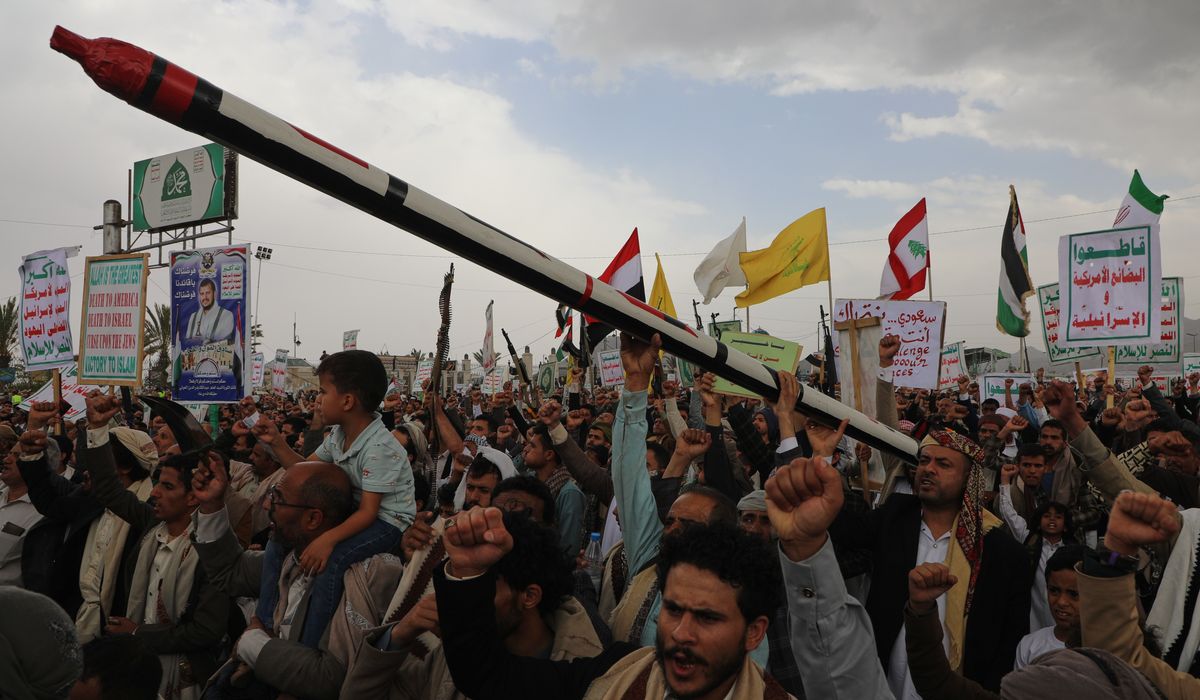
Saudi Arabia has stopped loading crude from its Red Sea coast amid ramped-up attacks from Iran-backed Houthis and is weighing whether to back a new Yemeni ground campaign to retake the shoreline, a move that changes security, energy and diplomatic calculations across the region.
Saudi officials have halted crude loadings on the Red Sea coast after a clear escalation in strikes by Iran-backed Houthi forces, and that suspension has immediate operational consequences for how Riyadh moves oil and protects shipping. The decision to pause loading is a direct response to repeated attacks on vessels and port infrastructure, and it signals a willingness to shift tactics until maritime routes are secure. That pause increases pressure on Saudi planners to find alternatives and to decide how far they will go to reassert control of coastal points.
The question of backing a new Yemeni ground campaign to retake the shoreline is now squarely on the table, and it raises sharp concerns about risk and reward for all partners involved. A ground campaign means boots on the ground, coordination with local forces, and the logistical strain of securing ports long enough to resume exports. For a country that depends on reliable export routes, the choice is less about preference and more about preventing future disruptions.
From a security standpoint the Houthi campaign shows how proxy tactics can threaten global commerce, and it forces a reconsideration of naval posture and convoy arrangements in the Red Sea and nearby chokepoints. Military planners will be weighing whether increased patrols and escorts are sufficient, or whether a sustained land operation is the only realistic option to end the attacks. For Republicans who prioritize American and allied energy security, this is a policy test: act decisively to protect trade, or accept recurring shocks to markets and supply lines.
Diplomatically the situation underlines the role Iran plays through proxies, and it complicates any effort to isolate the Houthi threat without broader regional pressure. Riyadh’s potential backing of a ground push would signal a move from defense to offense that could redraw fault lines in the Arabian Peninsula. That shift also triggers questions about third-party involvement, whether in intelligence sharing, logistics, or direct support, and about the political costs of deeper intervention in Yemen’s civil conflict.
Beyond immediate military moves, there are practical challenges: securing ports requires not just taking ground but holding it, repairing damaged facilities, and restoring safe shipping corridors that insurers will trust. Rebuilding port infrastructure and restoring commercial confidence could take months if not longer, and each day of delay adds cost for shippers and refiners. Those economic shocks feed back into politics at home for leaders who must justify increased spending and potential casualties.
Regional partners will be watching which coalition Riyadh assembles and how it funds and sustains any operation, because prolonged involvement will test alliances and burden-sharing agreements. The Saudis may prefer a Yemeni-led ground push supported by outside powers to avoid a long-term occupation, but any operation inside Yemen will require clear command structures and contingency plans for governance after combat ends. The alternative—relying solely on naval escorts and strikes—risks a cycle of temporary fixes and recurring attacks.
Markets will respond quickly to any hint of prolonged disruption in Saudi loadings, and energy consumers will pressure elected officials for swift solutions that stabilize supply and prices. That makes the decision as much political as military, because leaders must balance the need to protect global oil flows with the domestic appetite for intervention. For those arguing a firm response, the logic is simple: secure the infrastructure now to prevent repeated shocks later.
Yemen is a complicated battlefield with competing local actors, fragile civil infrastructure, and a humanitarian dimension that cannot be ignored while planning operations. Any move to retake coastline must account for civilian protection and reconstruction, or it risks creating a vacuum that hostile actors will fill again. The coming weeks will likely decide whether Riyadh confines itself to defensive measures or commits to a broader campaign to reestablish control over a strategically vital stretch of coastline.

