

The article examines the violent blockade of Palestinian homes in Qusra, where settlers surrounded houses for five nights and cut water and power, and it looks at the political and security fallout after the U.S. ambassador described the episode as terrorism.
For five nights in Qusra, Israeli settlers ringed Palestinian homes and shut off water and electricity, leaving families without basics and under constant threat. That siege left residents trapped in fear, with children and older people suffering most from the shortages and stress. These are not isolated inconveniences; they are a sustained campaign that changed daily life for those inside the barricade.
The U.S. ambassador publicly labeled the operation terrorism, a sharp diplomatic rebuke that landed across a tense political landscape. From a Republican perspective, the language matters: wrongdoing must be called out clearly, and laws must be enforced evenly. Naming the behavior doesn’t resolve it, but it crystallizes an expectation that violence against civilians deserves consequences no matter who commits it.
What happened in Qusra reveals a deeper problem of lawlessness on both local and national levels. When citizens or militant groups take basic services hostage, the state’s monopoly on force has broken down in a practical way. Republicans typically insist that respect for property and personal safety is nonnegotiable, and that means the government must act swiftly to restore order and punish criminal behavior.
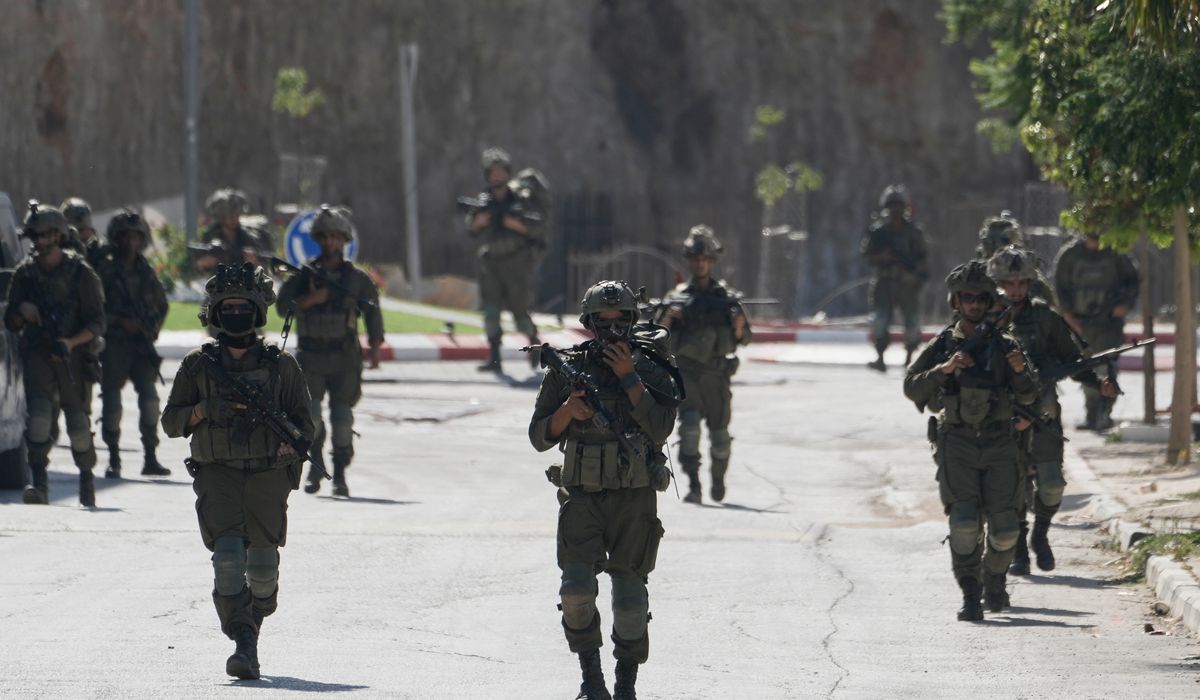
Israeli security forces have a responsibility here that can’t be shrugged off by political convenience or vague denials. If settlers carried out an organized siege, those individuals should face arrest and prosecution under Israeli law. Republican principles favor strong institutions that protect all civilians, and that includes insisting that the rule of law apply to people on every side of a conflict.
The humanitarian angle is plain: cutting water and power is an attack on daily survival. These tactics echo classic crowd-control strategies with civilian harm built into them, and they risk escalating tit-for-tat violence across the region. From a conservative viewpoint, protecting innocent lives and ensuring basic services are restored should be urgent, practical priorities, detached from political theater.
Political leaders also have to manage the message. When U.S. diplomats use loaded terms, there are consequences for perceptions at home and abroad. Republicans often argue for clarity and balance in foreign policy chatter—call out terrorism where it exists, but avoid language that implicitly excuses or diminishes other threats. The goal is consistent standards, not selective outrage.
There is also accountability for community leaders and organizations that enable or toler ate these actions. If settler networks coordinated the siege, local organizers and financiers must be exposed and held to account. Conservative thought stresses that civil society and law enforcement together should shut down violent tactics quickly rather than let them become normalized.
Finally, long-term stability depends on rebuilding trust and restoring services so daily life can return to normal for residents in Qusra. That means securing the immediate humanitarian needs and pursuing legal remedies against perpetrators, while also supporting local institutions that can prevent recurrence. Republicans prefer pragmatic, enforceable solutions: clear law enforcement, credible prosecutions, and restored basic services without partisan delay.

