

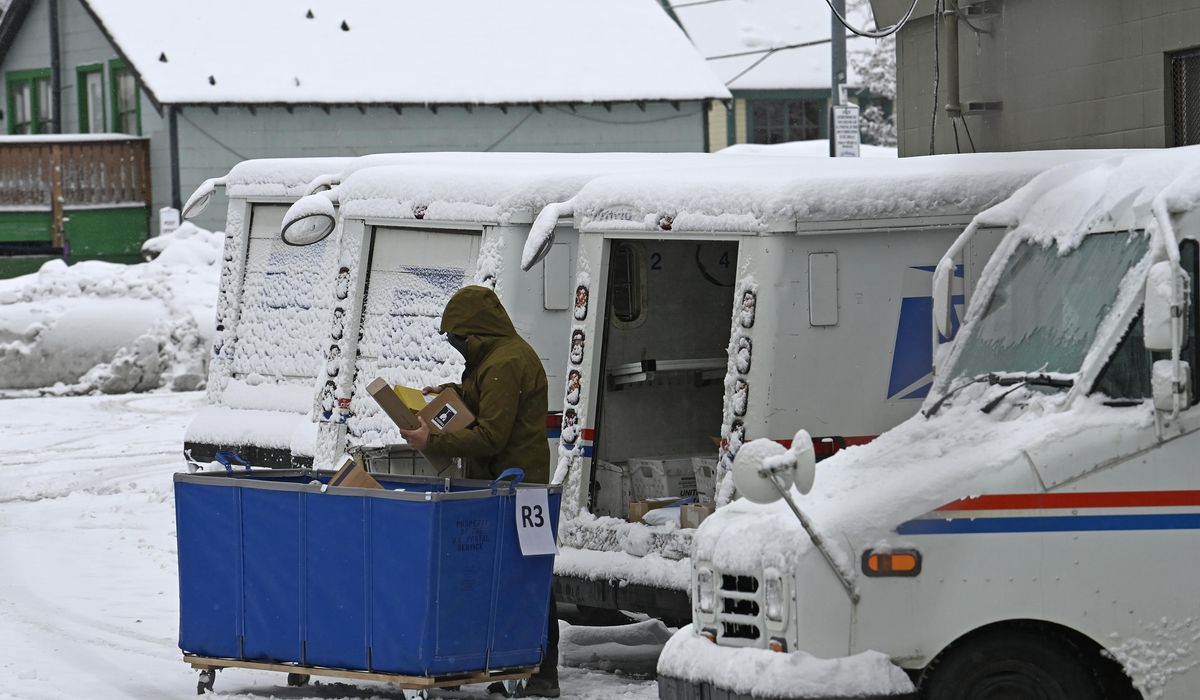
A federal judge in Maryland sentenced a man to 17 years in prison this week for robbing U.S. Postal Service mail carriers at gunpoint, and the case highlights the danger faced by postal workers, the federal government’s role in prosecuting crimes against mail operations, and the wider consequences for community trust and public safety.
A federal judge in Maryland sentenced a man to 17 years in prison this week for robbing U.S. Postal Service mail carriers at gunpoint. The sentence reflects the seriousness with which courts treat attacks on federal services and the people who deliver the mail. For postal workers, who are often visible and exposed in neighborhoods, the ruling sends a clear message that violent interference with mail delivery will face heavy penalties. It also underscores the personal risk those employees accept on the job every day.
The case was pursued in federal court because the U.S. Postal Service is a federal agency and crimes that obstruct or violently interfere with mail operations can trigger federal jurisdiction. Prosecutors often highlight the broader implications of such offenses, arguing they threaten not just individuals but a national service relied on for bills, medications, and legal notices. Sentencing in federal cases tends to be stricter than in many state courts, reflecting both statutory guidelines and policy choices aimed at deterrence. That framework shapes how judges weigh factors like weapons use and repeated offenses.
Victim impact and witness testimony commonly play a role in sentencing hearings for robberies that involve firearms, and judges consider the emotional and economic harm done to carriers and to the communities they serve. Mail carriers may carry sensitive items and personal information for residents, and when deliveries are interrupted by violence the ripple effects extend to vulnerable people who depend on regular, reliable mail service. The courtroom often becomes a place to make those harms visible, with statements from victims and law enforcement shaping the record. Those testimonies can influence the length and character of the sentence imposed.
Defendants in federal robbery cases face an array of possible consequences beyond prison time, such as restitution orders, forfeiture, and supervised release terms that follow incarceration. Restitution aims to reimburse victims for direct losses, while supervised release imposes conditions designed to reduce the risk of reoffending after release. The justice system balances punishment with public safety needs, but the outcome also reflects prosecutorial priorities and the legal tools available to federal authorities. For communities, those post-sentence measures matter as much as the headline prison term when it comes to long-term recovery.
From a public perspective, high-profile sentences serve both a symbolic and practical purpose: they reassure citizens that attacks on essential services will be met with forceful legal responses, and they deter potential offenders by demonstrating real consequences. At the same time, the judiciary must follow sentencing guidelines and constitutional protections, ensuring that penalties are proportional to the offense and the defendant’s criminal history. That tension between deterrence and fairness is central to how federal courts handle crimes against national institutions. Observers often watch these cases for signals about law enforcement priorities and sentencing norms.
Law enforcement agencies and the Postal Service have taken steps over the years to reduce risks to carriers, from procedural changes to technology and training, but incidents of robbery still occur and demand continued attention. Employers and unions frequently press for stronger safety measures and support for affected workers, emphasizing prevention as a complement to prosecution. Public awareness campaigns about reporting suspicious behavior and safeguarding deliveries can also help protect workers and recipients. Those community-level efforts work alongside court rulings to produce safer delivery environments.
For the man sentenced in Maryland, the 17-year term will be a defining chapter of his legal and personal future, and the case will remain a reference point in conversations about postal worker safety and federal enforcement. The broader takeaways touch on deterrence, justice, and the importance of securing services that people rely on every day. As the justice system moves forward, communities and policymakers will continue to weigh how best to protect both workers and the integrity of mail delivery without sacrificing fairness in sentencing and rehabilitation opportunities.

