

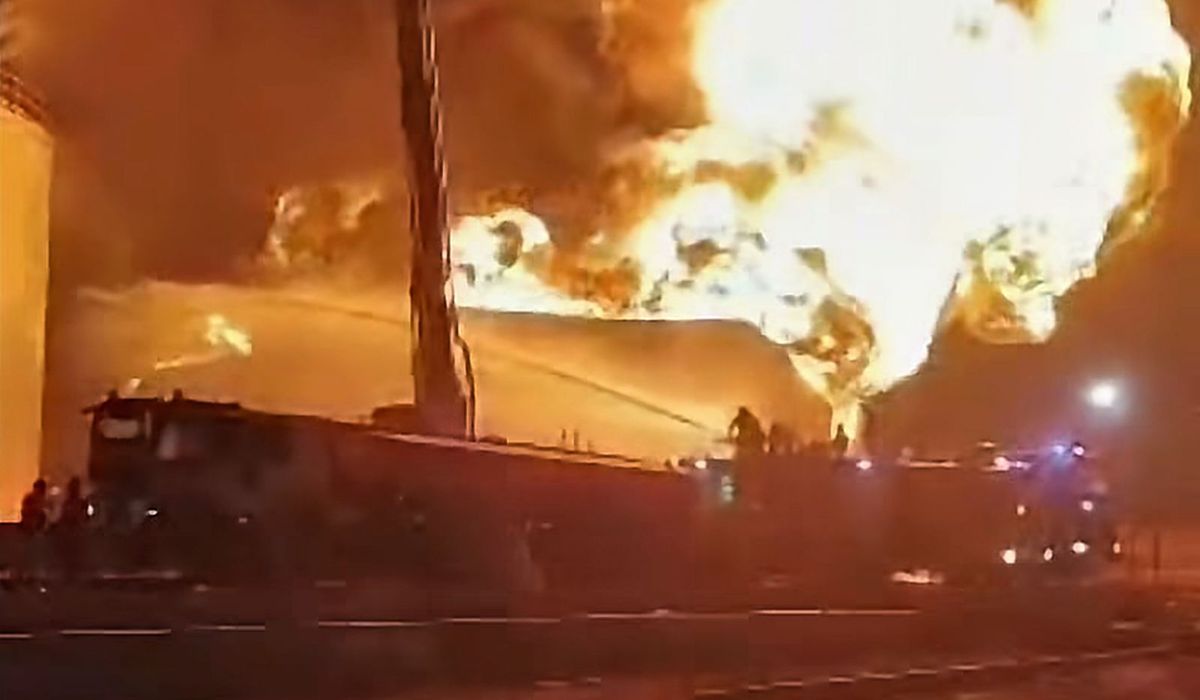
The Trump administration’s effort to open Libyan oil as a Gulf-supply alternative during the war with Iran has run into major trouble after an assassination, a central banker’s resignation, and a week of violent disruptions that have left plans stalled and markets nervous.
The original plan aimed to tap Libya’s oil to ease pressure on global supplies and reduce U.S. reliance on Gulf shipments at a tense moment. That approach made sense to conservatives who want energy options and to anyone who worries about overdependence on a single region. What was politically savvy looked operationally fragile almost immediately.
The assassination that rocked the effort was a raw reminder that Libya’s politics are still settled by force more often than by institutions. When key figures are killed, contracts freeze, foreign firms pull staff, and ports go quiet. Investors hate uncertainty, and oil flows require secure terminals, clear payment lines, and predictable security on the ground.
The central banker’s decision to quit added a financial shock to the security shock, complicating payment guarantees and export arrangements. Central banks in fragile states are linchpins for stabilizing revenue distribution and assuring foreign partners they will be paid. A high-profile resignation undercuts confidence; it told traders and companies that the banking architecture needed to support exports might not survive the political storm.
Local clashes and a week of disruptive incidents shut down key infrastructure and kept tanker traffic at bay, showing how easily good intentions can be derailed. Oilfields can be reopened after a calm, but foreign companies need assurance that facilities won’t be re-seized or sabotage won’t recur. That kind of guarantee is rare in a country still split between competing militias and outside patrons.
For markets, the immediate effect is uncertainty-driven price pressure. Buyers look for reliable barrels, and when a planned new source goes off the table, they either pay more or lean on existing suppliers. The Trump-era push was supposed to widen choices, but the reversal means the U.S. and its allies are back to managing a narrower set of reliable partners during a period of regional risk.
From a strategic standpoint, Republicans would argue this episode underscores why U.S. energy strength matters. Relying on the open market to bail out geopolitical risks is risky; stronger domestic production and resilient supply chains let policymakers respond without coercing allies or tapping fragile alternatives. It’s practical common sense—keep your own options open and your international ones secure.
Geopolitically, the Libya setback hands leverage to outside powers that are comfortable operating in ambiguity. When institutions wobble, actors like Russia and Turkey find room to expand influence through proxies and economic deals. That matters because energy corridors don’t exist in a vacuum; they are part of a broader competition for regional clout and future access to resources.
Policy responses have to be realistic and muscle-backed. Re-opening Libyan oil safely requires secure handoffs onshore, ironclad financial mechanisms, and a coalition that can keep the terminals protected without empowering spoilers. That means choosing partners who can deliver stability, not just lip service, and conditioning any U.S. support on verifiable security and governance reforms.
The episode also raises a simple point about risk versus reward. Pushing for Libyan barrels as a quick substitute was bold, but it exposed how fragile ad hoc supply strategies are when politics get violent. If Washington is serious about resilience, it should back energy diversification that rewards stable, accountable partners and strengthens America’s own production and storage options.
Libya’s potential remains real—huge reserves lie under its sands—but turning potential into dependable, marketable oil demands more than announcements. It will take steady diplomacy, pragmatic security commitments, and financial structures that survive political shocks if those barrels are ever going to count the way planners hoped they would.

