

Two red-state runoffs are poised to measure Donald Trump’s influence inside the Republican Party, testing whether his endorsements still move voters, donors, and party insiders in tightly contested primaries.
Just how powerful is the president these days when it comes to winning elections? Republicans watching these contests aren’t just counting votes; they’re watching whether a Trump nod still delivers results where it counts. The outcomes will shape internal GOP dynamics and set expectations for how the party coordinates endorsements going forward.
The first big test is whether grassroots enthusiasm aligns with establishment backing. Trump’s endorsements carry weight with core conservative voters who decide turnout in low-profile contests, and that turnout often determines winners in runoffs. Local party machines matter too, and their coordination—or lack of it—can blunt even the most headline-grabbing endorsements.
Money and momentum are the other two crucial factors feeding into these races. An endorsement can unlock donor lists and national PAC dollars, but it can also polarize donors who prefer different flavors of conservatism. For candidates, the calculus is simple: an endorsement that brings cash and volunteers beats name recognition alone in a closed primary.
Republican strategists know turnout trumps polls in runoffs, and that’s where Trump’s real test lies. Mobilizing voters for a mid-summer or late-season election requires organization and a message that sticks. If his backing moves the needle on Election Day, it proves the president remains a potent force within the GOP’s voter base.
These runoffs also reveal how the party handles competing factions. When local leaders back one candidate and national figures back another, the result tells you which axis currently runs the show. A loss for a Trump-backed candidate wouldn’t just be a local defeat; it would signal limits to his kingmaker role and open space for alternative conservative leaders.
Voter perception plays into every campaign decision in these races. Candidates tied to Trump can gain instant credibility with primary voters, but opponents will paint that tie as polarizing in more moderate stretches of the electorate. In red states, however, alignment with a popular Republican president often proves an asset rather than a liability.
Media narratives will try to turn these runoffs into a referendum on national politics, but the local ground game matters most. Volunteers knocking doors, targeted messaging about pocketbook issues, and turnout among reliable Republican cohorts will decide winners. National attention can amplify debates, yet it rarely substitutes for boots-on-the-ground work.
One practical way to read the results is to watch donor flows and volunteer surges after an endorsement. If resources flood in and field operations expand, it shows confidence and momentum. If support is lukewarm and mobilization stalls, that speaks to limits in reach despite headline endorsements.
For candidates, the personal trade-offs are obvious: accept a high-profile endorsement and gain access to a larger platform while risking attacks that paint you as a national pawn. Decline or avoid the endorsement, and you preserve local autonomy but lose the immediate boost in attention and funds. Either choice tells a story about how a candidate expects to win in today’s GOP environment.
Longer term, these runoffs will influence how the Republican Party allocates political capital. A strong showing for Trump-backed contenders will encourage future endorsements and signal cohesion around his policy agenda. Conversely, weak returns will embolden governors, senators, and donors who want to diversify leadership and influence within the party.
The stakes aren’t just ideological; they are institutional. Control of local party apparatuses, candidate pipelines, and donor networks hinge on the lessons learned in these contests. Republicans who favor a disciplined, top-down strategy will watch closely for proof that a national endorsement can override messy local politics.
At the end of the day, these runoffs are a snapshot of the party’s direction and a warning about complacency. A clear win consolidates influence and sends a message to donors and officeholders. A split or surprising loss will spark fresh debate over strategy, endorsements, and who gets to set the GOP’s course as we head into the next big election cycle.
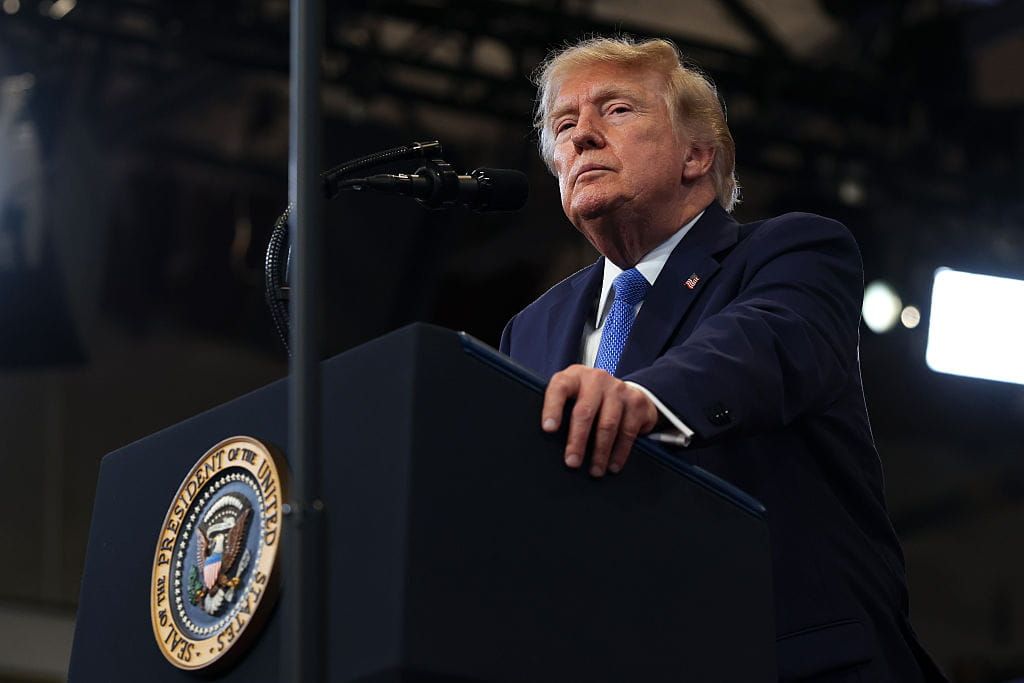
Donald Trump — (Photo by Samuel Corum/Getty Images)

