

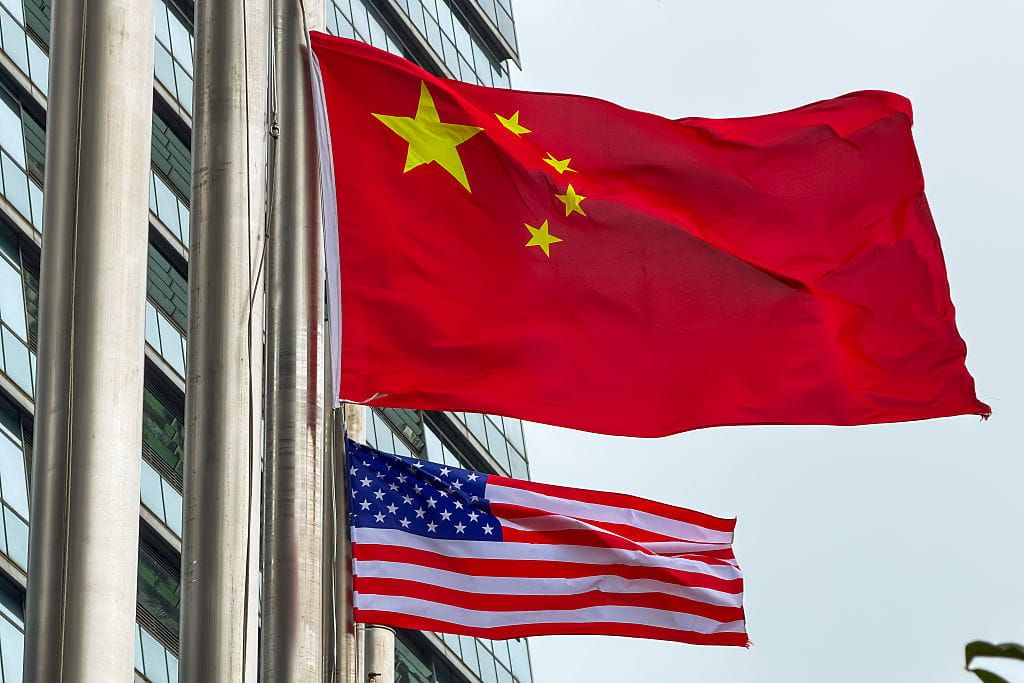
New Poll Shows Shocking Result: People Like China More Than the US — a surprising survey out Aug 25, 2026 reveals a growing warmth toward China that should unsettle anyone concerned about national pride, strategic competition, and the cultural forces shaping opinion.
The recent poll that found people favoring China over the United States is more than a quirky data point; it’s a warning light. The numbers show a shift in attitudes that Republican leaders and voters need to take seriously when thinking about foreign policy, cultural influence, and national identity. This isn’t just about trade or tariffs; it’s about who sets the narrative and how Americans see their own country.
“It’s not all about politics – Hollywood has its hand in shaping the public view.” That line nails part of the problem: entertainment and media often present a glossy China while downplaying what Beijing actually stands for. Hollywood and mainstream culture can sanitize authoritarian power with exotic backdrops and tech-fetish storytelling, and many Americans pick up perceptions from that content without a counterweight.
Generational differences make the poll even more dangerous. Younger voters, shaped by streaming culture, globalized branding, and university narratives, are more susceptible to admiration for China’s technological projects and infrastructure boasts. Republicans should not treat this as a mere messaging gap; it’s a long-term cultural competition that requires policy, education, and messaging responses.
Economic ties and corporate interests also blur lines. Big business loves access to China and pours money into partnerships, entertainment deals, and lobbying that mute hard truths. That corporate influence seeps into what gets celebrated in popular culture and what inconvenient facts are filtered out of public discussion.
Security and human rights concerns are getting lost in the glow. When public opinion softens toward a nation that today runs surveillance states and daily suppresses dissent, policymakers face a tougher time building bipartisan consensus for deterrence. A weaker public appetite for confronting Beijing makes it easier for elites to rationalize accommodation instead of firm deterrence.
The media landscape fuels the disconnect. Newsrooms and streaming services often prioritize sensationalism or celebrity access over sober analysis of China’s ambitions. Republicans should point out how that coverage distorts the strategic picture and argue for clearer reporting on issues like supply chain dependence and military modernization.
Education is another front line. College curricula, study abroad programs, and campus partnerships can create pro-China sentiment when they prioritize funding and prestige over critical inquiry. Republican policymakers need to push for transparency in academic ties and insist that scholarship exposing authoritarian tactics gets equal attention.
There’s also a policy angle that voters must understand: liking a country is not the same as trusting it. Popular admiration can turn into strategic complacency if leaders mistake warm sentiment for security alignment. The choice between engagement and vigilance isn’t sentimental; it’s about protecting American interests in technology, trade, and defense.
Practical answers start with tougher public messaging and smarter alliances. Promote American achievements honestly, highlight the costs of authoritarian models, and support independent journalism that digs into Beijing’s economic leverage and influence campaigns. Republicans should lead a credible narrative that combines pride in our strengths with a sober view of strategic risks.
Economic policy needs teeth too. Reduce risky reliance on Chinese supply chains where feasible, target outbound investment that undermines national security, and back incentives for reshoring key industries. Voters who understand the trade-offs will be more resistant to narratives that glamorize China while ignoring the hidden costs.
Finally, the political stakes are real. If public attitudes continue tilting toward admiration for an authoritarian rival, U.S. bargaining power erodes and the next generation may accept diminished global leadership. Republicans must treat this poll as a call to action: sharpen the message, tighten policy where it counts, and rebuild civic pride so America’s story remains the one people choose to believe.

