

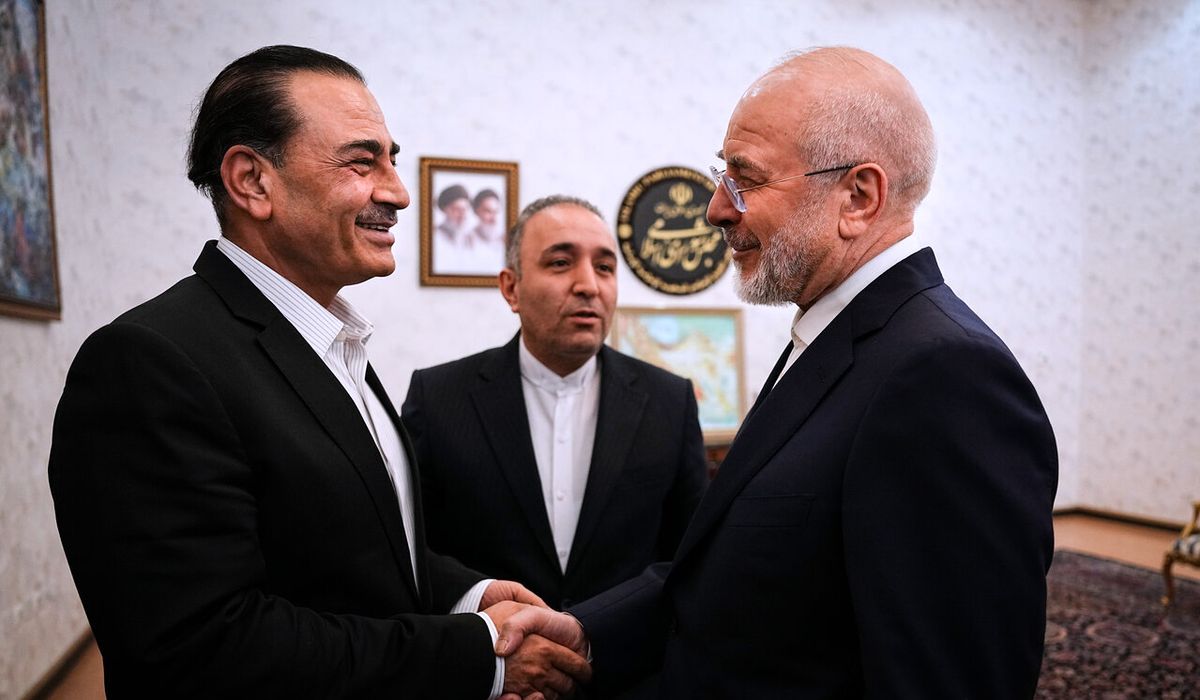
Pakistani officials say talks with Iranian counterparts have moved forward on reviving the Islamabad memorandum of understanding, signaling cautious steps toward deeper engagement while public-facing diplomacy stays measured.
Key Pakistani officials on Tuesday reported notable progress in efforts to revive the Islamabad memorandum of understanding after meeting several senior Iranian figures, and they framed the steps as pragmatic and careful rather than sweeping or unilateral. Public diplomacy between the two governments has remained restrained, with leaders focused on negotiating the technical details away from media spotlight. That mix of private momentum and public caution reflects how delicate these talks really are.
The memorandum under discussion appears aimed at stabilizing ties on several fronts, including cross-border security, trade corridors, and energy cooperation, though officials have been careful about sharing specifics. Both sides seem to prefer incremental confidence building over headline-making agreements, a sensible posture given the stakes involved. For Islamabad, the challenge is to convert talks into enforceable measures without compromising national sovereignty or strategic partnerships.
From a Republican perspective, any revival of this memorandum should be judged first on how it secures Pakistan’s borders and counters militant networks that spill across into neighboring states. Rivals and allies alike must see concrete, verifiable actions that prevent Iran from gaining leverage that could destabilize the region. Diplomacy is welcome, but it cannot become a cover for weakness or a pathway to unintended security risks.
Economic incentives are clearly part of the calculus, with Pakistan likely eyeing energy imports and transit routes that could ease long-term fiscal pressure. Yet those economic gains must be priced against hard safeguards, transparent procurement practices, and resident inspections where appropriate. Islamabad should not trade away strategic autonomy for short-term relief.
On security cooperation, Pakistani officials will need written commitments and operational mechanisms that target extremists and smugglers without creating opaque dependencies. Effective cooperation requires shared intelligence, joint patrols, and monitoring, not vague assurances that evaporate after photo opportunities. A results-oriented approach will protect citizens on both sides of the border and restore confidence among skeptical partners.
Domestic politics in Pakistan will shape how far Islamabad is willing to go, with political factions and the military all watching the cost-benefit balance closely. Leaders who back closer ties will emphasize economic and stability dividends while opponents will warn about concessions that undercut national interests. That domestic tug-of-war makes transparency and parliamentary oversight important elements of any deal.
Regionally, a calibrated rapprochement between Pakistan and Iran could ease tensions in some theaters and complicate alignments in others, particularly in the Gulf and around Afghanistan. Ankara, Riyadh, and Delhi will read every clause for signs of new influence or shifting loyalties, and that will affect trade, security cooperation, and diplomatic posture across South Asia and the Middle East. Islamabad must factor those ripple effects into its negotiating strategy.
Verification and accountability will determine whether the memorandum becomes a durable framework or another diplomatic paperweight, so negotiators should embed timelines, benchmarks, and independent review clauses wherever possible. The public has a stake in seeing results, and external partners need assurance that commitments are enforceable and measurable. Without those elements, progress remains cosmetic.
The next phase of diplomacy will likely include follow-up technical meetings, working groups on specific sectors, and a careful rollout of public statements calibrated to avoid misreading by adversaries. Pakistan’s negotiating team should keep transparency, national security, and economic prudence at the center of their approach. If handled properly, the talks could deliver concrete, mutual benefits while preserving Pakistan’s sovereignty and broader strategic relationships.

