

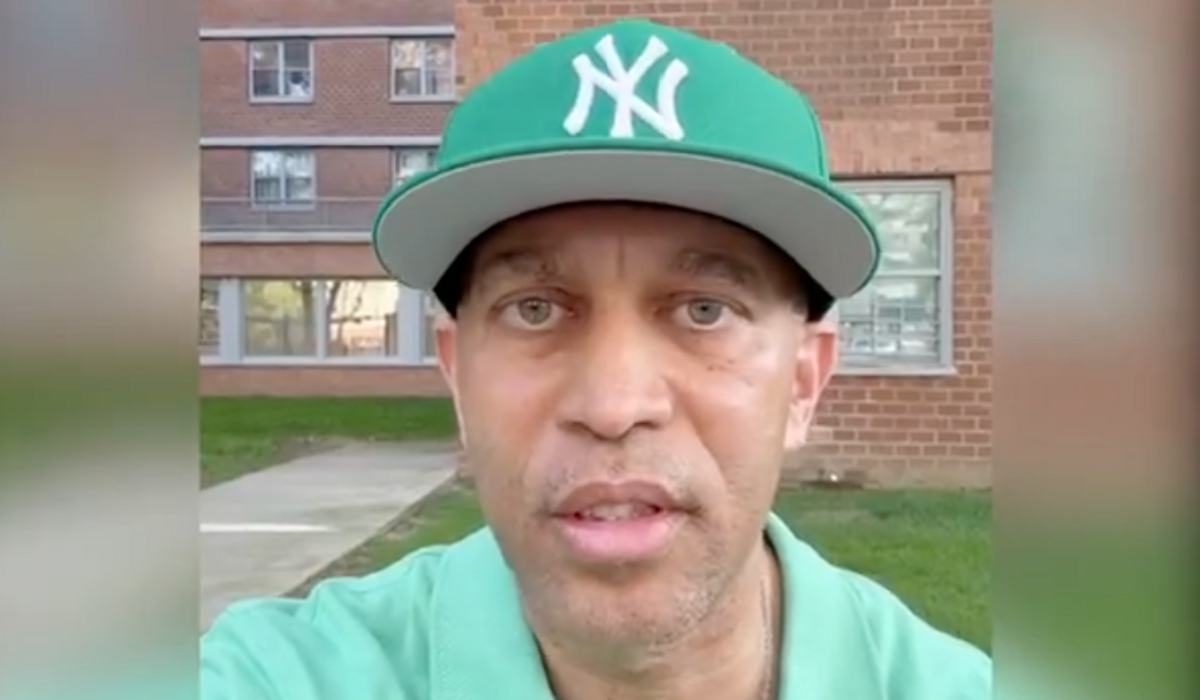
House Minority Leader Hakeem Jeffries defended a meeting with Jared Kushner and said Democrats would hold administration officials accountable if they win control of the House, a stance that drew swift criticism and raised questions about political theater and oversight priorities.
Hakeem Jeffries pushed back after meeting with Jared Kushner, who served as a senior adviser in the Trump White House, stressing that the encounter was defensible. For Republicans watching, the optics were jarring: a top Democratic leader meeting a prominent figure from the prior administration invites scrutiny. That reaction is predictable in a hyperpartisan moment when every greeting can be spun as strategy or collusion.
Jeffries framed the meeting as part of routine engagement across the aisle, arguing that conversations with former administration figures are not out of bounds. Republicans argue engagement is fine in principle but question timing and intent when a party vows to use power to punish political opponents if it wins control. The pledge to hold administration members accountable only deepens partisan mistrust, making bipartisan cooperation harder to credibly claim.
The promise of accountability is a standard line on the campaign trail, yet it becomes contentious when paired with private meetings. Many Republicans see that friction as evidence of a two-faced approach: public threats of oversight coupled with behind-closed-doors friendliness. That contradiction fuels claims that accountability rhetoric is more about headlines than consistent principles of transparency and equal treatment.
Critics on the right point out that oversight should be neutral and focused on law and facts, not revenge or scorekeeping. If Democrats intend to wield investigations, Republicans want assurances those probes will be fair, thorough, and free from selective targeting. Without that confidence, oversight risks becoming nothing more than weaponized politics that undermines trust in Congress.
Republican commentators also highlight the precedent set when party leaders fraternize with former officials they later pledge to investigate. The concern is straightforward: how can a leader credibly promise impartial scrutiny after cordial meetings? For many conservative observers, consistency matters more than optics, and credibility suffers when actions and promises collide.
Supporters of Jeffries counter that engaging with former administration aides is practical and can yield useful information or temper escalation. Still, that defense does not erase legitimate questions about motive and consistency raised by Republicans. In a polarized environment, even routine contacts are dissected for hidden agendas, feeding a cycle of suspicion that everyone claims to oppose.
The broader lesson for Republicans is tactical and strategic. Political opponents will use any interaction to craft narratives, so messaging must be tight and motives clear. Holding the line on impartial oversight and pushing for clear rules governing investigations gives conservatives a platform to demand equal treatment while exposing any opportunistic behavior from the other side.
At the end of the day, this episode highlights the reality of modern Washington: relationships and rhetoric collide in ways that complicate governance. For Republicans, the response will be to press for transparent, consistent standards for oversight and to call out perceived double standards when they appear. That approach aims to force clarity and push back against partisan cycles that wrap accountability in political theater.

