

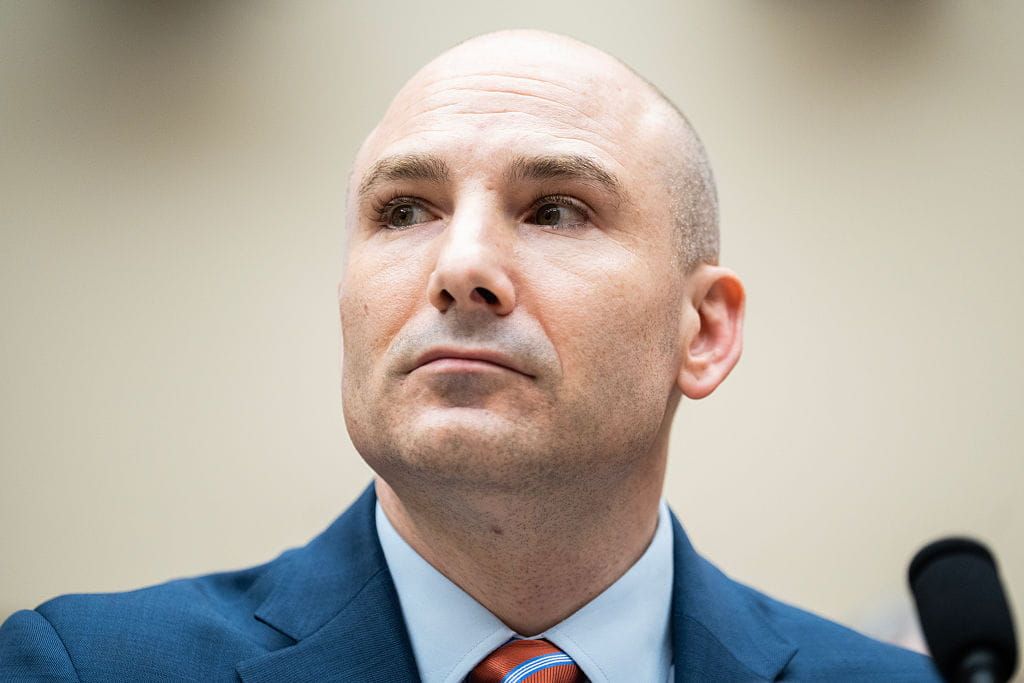
A recall effort targets Fairfax County Commonwealth’s Attorney Steve Descano after the arrest of Abdul Jalloh, an illegal immigrant accused of murdering Stephanie Minter; critics say repeated prosecutorial and judicial decisions kept a dangerous repeat offender on the streets and sparked a demand for accountability.
Abdul Jalloh sits in jail accused of murdering Stephanie Minter at a Virginia bus stop, and the reaction has been swift and unforgiving. Families and community members blame progressive prosecutors and judges for choices that, they say, allowed a violent repeat offender to stay free. That anger has coalesced into a recall campaign against Steve Descano, the Fairfax County Commonwealth’s Attorney.
The case reads like a catalog of failures: ICE held Jalloh for nearly two years and flagged him for removal, yet a 2020 ruling prevented deportation to Sierra Leone. In the meantime Jalloh allegedly accumulated more than 30 arrests on charges ranging from rape and malicious wounding to identity theft and firing a weapon. Many of those charges were reportedly dropped, creating the impression of a justice system that looks the other way.
Cheryl Minter, Stephanie’s mother, led the push to hold officials responsible and to force change at the ballot box. The petition driving the recall makes the point starkly: “Thirty times the system had a chance to stop him,” Minter’s petition states. That line sums up why the outrage is so deep — people see a string of missed opportunities with deadly consequences.
Local critics argue this is not mere incompetence but a policy choice by officials who prioritize ideology over enforcement. Under Descano and other like-minded prosecutors, they say, dangerous offenders have been released despite long criminal histories and ICE detainers. For many conservative voters and law-and-order advocates, that amounts to a betrayal of the public trust and a threat to community safety.
The fallout is not limited to one tragic case. This year, Fairfax County has seen other violent incidents involving individuals reported to be in the country illegally, including three high-profile allegations: Misael Lopez Gomez, charged with killing his 3-month-old in Bailey’s Crossroads; Anibal Armando Chavarria Muy, arrested for stabbing a man to death in Bailey’s Crossroads; and Alexis Antonio Cedillos-Campos, accused of stabbing Carmen Lizet Puch near Great Falls on August 17. Those examples feed the argument that policy choices are producing predictable harm.
Supporters of the recall emphasize the petitions and signatures as proof of public demand for accountability, pointing to a campaign that they say has well over 12,000 valid signatures. They frame the recall as a necessary correction when elected officials refuse to act on the law as written. For voters who prioritize public safety, the recall is a direct way to penalize officials whose decisions they believe cost lives.
From a Republican perspective, the solution is clear: enforce immigration laws, cooperate with ICE detainers, and stop letting ideology shield repeat violent offenders from removal or proper incarceration. Communities deserve prosecutors who will use the full tools of the law to protect citizens, not policies that leave neighborhoods exposed. That demand for change, fueled by grief and outrage, is driving the campaign against Descano and similar prosecutors across the country.
- Abdul Jalloh: accused of murdering Stephanie Minter; in the U.S. illegally since 2012 and allegedly had more than 30 arrests.
- ICE involvement: detained Jalloh nearly two years and flagged him for removal; a 2020 ruling prevented deportation to Sierra Leone.
- Recall drive: Cheryl Minter spearheads the effort against Steve Descano; petition language includes “Thirty times the system had a chance to stop him.”
- Related incidents: Misael Lopez Gomez, Anibal Armando Chavarria Muy, and Alexis Antonio Cedillos-Campos are cited as additional cases raising public safety concerns.

