

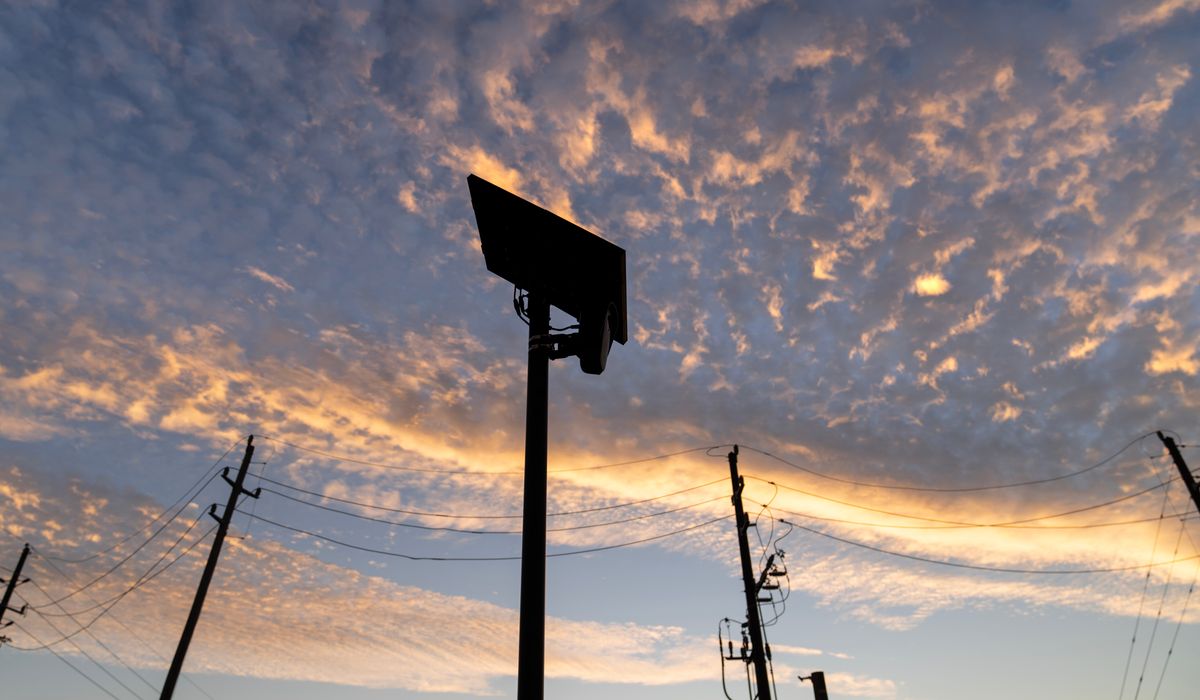
Florida Governor Ron DeSantis has ordered pole-mounted license plate readers linked to Flock cameras taken down from all state roads following public outcry over surveillance and privacy concerns.
This move responds to a growing backlash over Flock cameras and the intrusive reach of automated license plate readers that can track everyday drivers. The decision affects pole-mounted systems installed along state-maintained roads and signals a new posture on government use of real-time plate-scanning technology. It’s a clear pivot away from widespread roadside surveillance on state routes.
Flock cameras, which use automated license plate recognition, became a flashpoint because they collect location and movement patterns that many people consider private. Critics argued that the systems create a permanent, searchable record of who was where and when, effectively mapping normal life without probable cause. That privacy argument gained momentum across communities and political lines.
From a Republican perspective, this is a win for basic freedoms and common-sense limits on state power. Folks on the right have long warned about mission creep when government partners with private tech companies that can aggregate and analyze massive amounts of data. Rolling back state-level deployment respects property rights and reduces the risk that innocent people get swept up by broad, unjustified surveillance.
Law enforcement supporters of the cameras pointed to potential benefits, like faster tracking of stolen vehicles and locating suspects, and those arguments still matter. Agencies often say plate readers can be a force multiplier in investigations, helping solve crimes more quickly with existing staffing. But the state’s decision reflects a judgment that those benefits do not outweigh the civil liberties cost when systems are placed ubiquitously on public roads.
Removing the pole-mounted license plate readers from state roads does not ban all uses of the technology, but it does restrict state-sponsored, large-scale roadside installations. Local law enforcement and private property owners may still use similar systems under different rules, which makes the policy more targeted than an outright ban. The practical outcome is fewer state-controlled data streams feeding commercial or government databases.
The controversy also highlights the role of private vendors like Flock Safety in public surveillance projects, and raises questions about oversight, data retention, and third-party access. When companies collect and host sensitive location data, accountability lines blur and public trust drops. Republican leaders who favor limited government see this as an opportunity to insist on clearer guardrails and less reliance on private data brokers for public safety tasks.
Practically speaking, taking down these pole-mounted devices will require coordination between state transportation officials and whatever contractors installed the hardware. That work involves removing equipment, disconnecting data feeds, and auditing any retained records. The technical steps matter, but the political signal — that the state will not maintain pervasive plate-tracking on its roads — is the immediate takeaway.
There will be pushback from some municipalities and police departments that valued the state-level infrastructure, and debates will follow about whether to replace state systems with local controls and stricter access rules. Those discussions are where policy details get settled: retention limits, who can query the data, and what judicial oversight is required. The key Republican aim will likely be to balance law enforcement needs with strong privacy protections and property-owner rights.
Going forward, expect calls for transparent, enforceable limits on automated license plate readers and for clear public records on any data collected before the takedown. The action on state roads is a reminder that surveillance technology should have political and legal boundaries, not be left to expand unchecked. For many conservatives, this move reaffirms a simple principle: the state should protect citizens, not monitor them without strong justification.

