

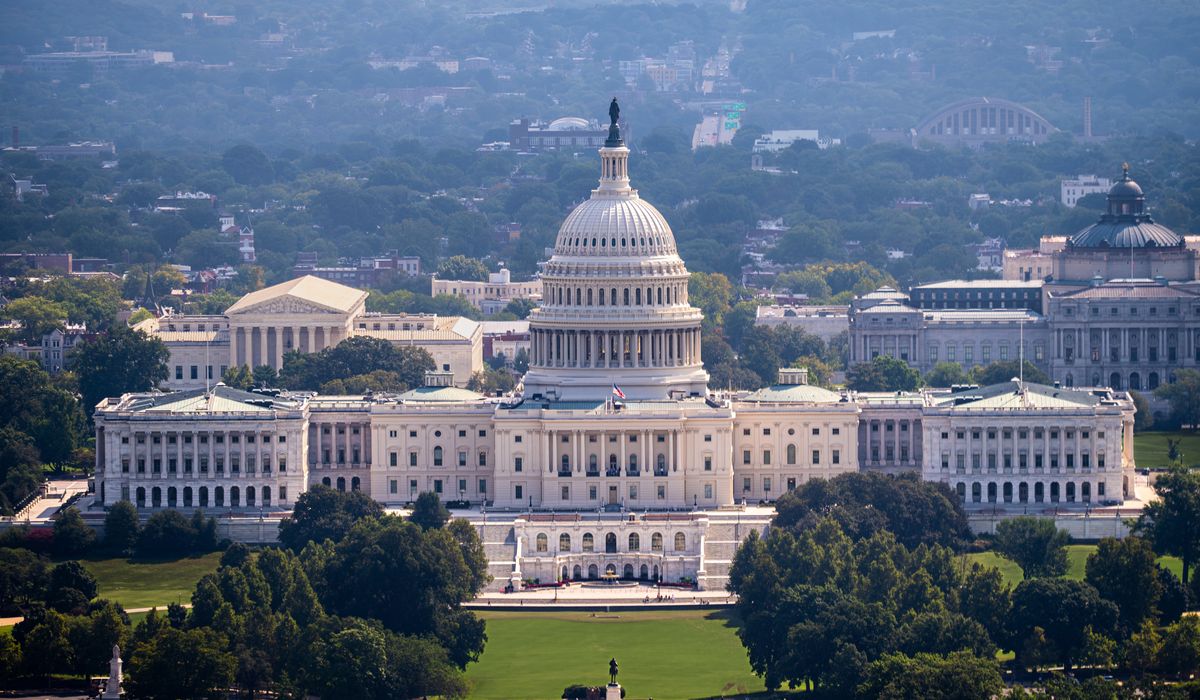
House lawmakers returned to Washington on Monday with a short to-do list after five weeks back in their home districts, and the opening move looks to be a quick vote on a temporary spending measure while bigger fights over priorities and spending play out.
House lawmakers returned to Washington on Monday with a short to-do list after five weeks back in their home districts. The first order of business is most likely a vote on a stopgap spending bill to keep government programs running while negotiations continue. That procedural step is familiar but it should not be treated as an excuse to avoid hard choices about spending and policy. Constituents expect Members to show fiscal discipline and deliver real results.
Republicans should push for a stopgap that trims waste and limits new outlays, not one that simply extends the status quo. Too often temporary measures become permanent excuses for unchecked spending. A short-term patch must come with guardrails so committees do not use the pause to pad pet projects or slip in one-off giveaways. The aim should be to protect core services while forcing a serious debate on the budget.
Border security will be a central fault line when lawmakers return. Voters have made clear they want secure borders and a legal immigration system that works. Any spending package that avoids meaningful enforcement reforms will face resistance from those who view open borders as a national security and economic problem. Republicans can use the stopgap window to insist on policy conditions tied to funding.
Oversight and accountability should also be on the agenda when appropriations come up again. After years of rapid spending increases and regulatory overreach, taxpayers are owed transparency and tighter controls. Committees must demand clear reports on where money goes and what results are expected. That helps restore trust and forces agencies to prioritize missions over expansion.
There is a clear contrast between conservative calls for restraint and the administration’s appetite for new programs. Republicans can make the case plainly: prioritize defense, border security, and core government functions, then review everything else. That approach puts Americans first and keeps the economy stable. It also sends a message that Congress intends to control the purse strings instead of ceding that role to bureaucrats.
House members who spent five weeks at home heard the same basic message from voters: curb inflation, defend national security, and stop letting Washington spend like there is no tomorrow. Those conversations will shape votes back in the Capitol. Members who ignore those voices risk electoral consequences in the next cycle. Fiscal discipline is not rhetorical; it has to show up in appropriations language.
Short-term funding measures are a test of principle, not just process. Lawmakers can either accept a blank check or attach meaningful policy provisions that reflect taxpayer priorities. That could mean clawbacks, sunset clauses, or targeted rescissions to remove outdated programs. Pulling those levers will require courage and coalition-building, but it is the responsible path for anyone serious about reform.
There will also be pressure to fund urgent needs that cannot wait for long-term negotiations. Support for veterans, first responders, and critical defense programs should be insulated from political brinksmanship. A focused stopgap can protect those essentials while allowing contentious items to be debated on their merits. Keeping that balance is the real art of legislating in a divided Washington.
Ultimately, returning to Washington is an opportunity to reset priorities rather than rubber-stamp more spending. Republicans should use every procedural tool to force choices and expose where Democrats are unwilling to trim their wishlist. Voters expect leaders to deliver results, not vague promises. That means a stopgap with limits, a renewed emphasis on oversight, and a refusal to let temporary fixes become permanent spending increases.
As the calendar moves and deadlines loom, the House is positioned to make clear decisions about fiscal discipline and national priorities. Members will face pressure from all sides, but the choice is straightforward: continue permissive budgeting or tighten standards and insist on accountability. The coming weeks will show whether Washington learns the lesson constituents delivered over those five weeks at home.

