

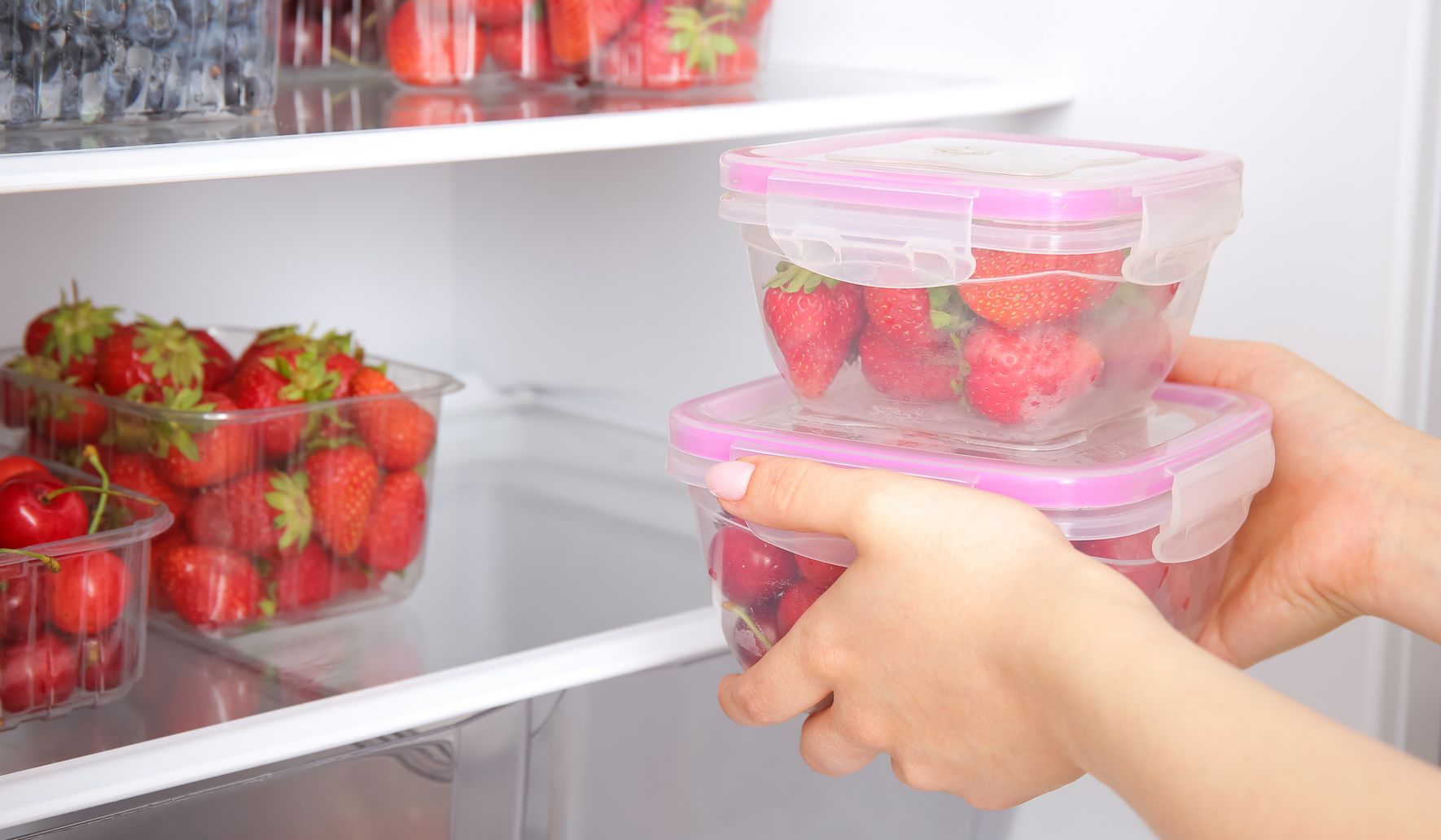
Short summary: Smart steps to keep strawberries fresh longer by controlling moisture, handling gently, and choosing the right storage setup.
You bring home a box of strawberries, rinse them at the sink so they are ready to go, dry them off, and put them in the fridge. It feels like the responsible thing to do. It is also the single fastest way to invite mold and mushy fruit if you don’t take a few other precautions first.
Strawberries are porous and sensitive to moisture, which means any lingering water shortens their shelf life. Washing before storage removes natural protective films and leaves droplets that speed bacterial and fungal growth. The shortcut of rinsing and stashing works only if you pair it with careful drying and an environment that limits humidity and airflow issues.
One reliable approach is to delay washing until just before eating. If you prefer pre-washed convenience, do it with a purpose: use a quick vinegar rinse to cut surface microbes, then drain and pat completely dry. A mild vinegar solution—one part white vinegar to three parts water—reduces spoilage organisms, but thorough drying is crucial because the vinegar doesn’t help once moisture pools between berries.
After washing, spread berries in a single layer on a paper towel or clean kitchen towel to air dry for a while, then blot gently to remove remaining dampness. Store only fully dry berries in the refrigerator to slow microbial growth. Place them in a breathable container or an open-topped bowl lined with paper towels; avoid sealing them in airtight plastic that traps moisture and accelerates decay.
Inspect and remove any damaged or moldy berries right away. One spoiled strawberry can release spores and enzymes that speed spoilage across the whole box. Trimming off bruised parts and separating problem fruit gives the rest a better chance to stay firm and flavorful for several more days.
Pay attention to temperature and location inside the fridge. The crisper drawer often has higher humidity and may not be ideal for fruit that must stay dry, so choose a shelf with consistent, cool air flow. Keep strawberries away from strong-smelling foods because they can absorb odors, and avoid placing them near vegetables that release moisture or ethylene gas, which can hasten ripening.
If you want longer storage without refrigeration drama, freezing is simple and effective. Hull and lay strawberries single-layer on a baking sheet to flash-freeze, then transfer to a freezer bag or container. Frozen berries keep for months and are great for smoothies or baking, though they will lose their fresh texture once thawed.
For short-term use, a shallow paper-towel lined container with a few ventilation holes works well; for longer holds, choose a low-humidity spot and check daily. Keep portions small so you’re not exposing a whole batch when you grab a snack. Treat strawberries gently when handling to avoid bruises that invite microbes and moisture into the flesh.
Simple storage tweaks deliver big differences: don’t wash until needed unless you dry thoroughly, remove any bad fruit immediately, and choose containers and fridge spots that discourage moisture buildup. With minimal effort you can stretch a fresh box of strawberries from a couple of days to nearly a week or more, depending on ripeness at purchase and how carefully you handle them.

