

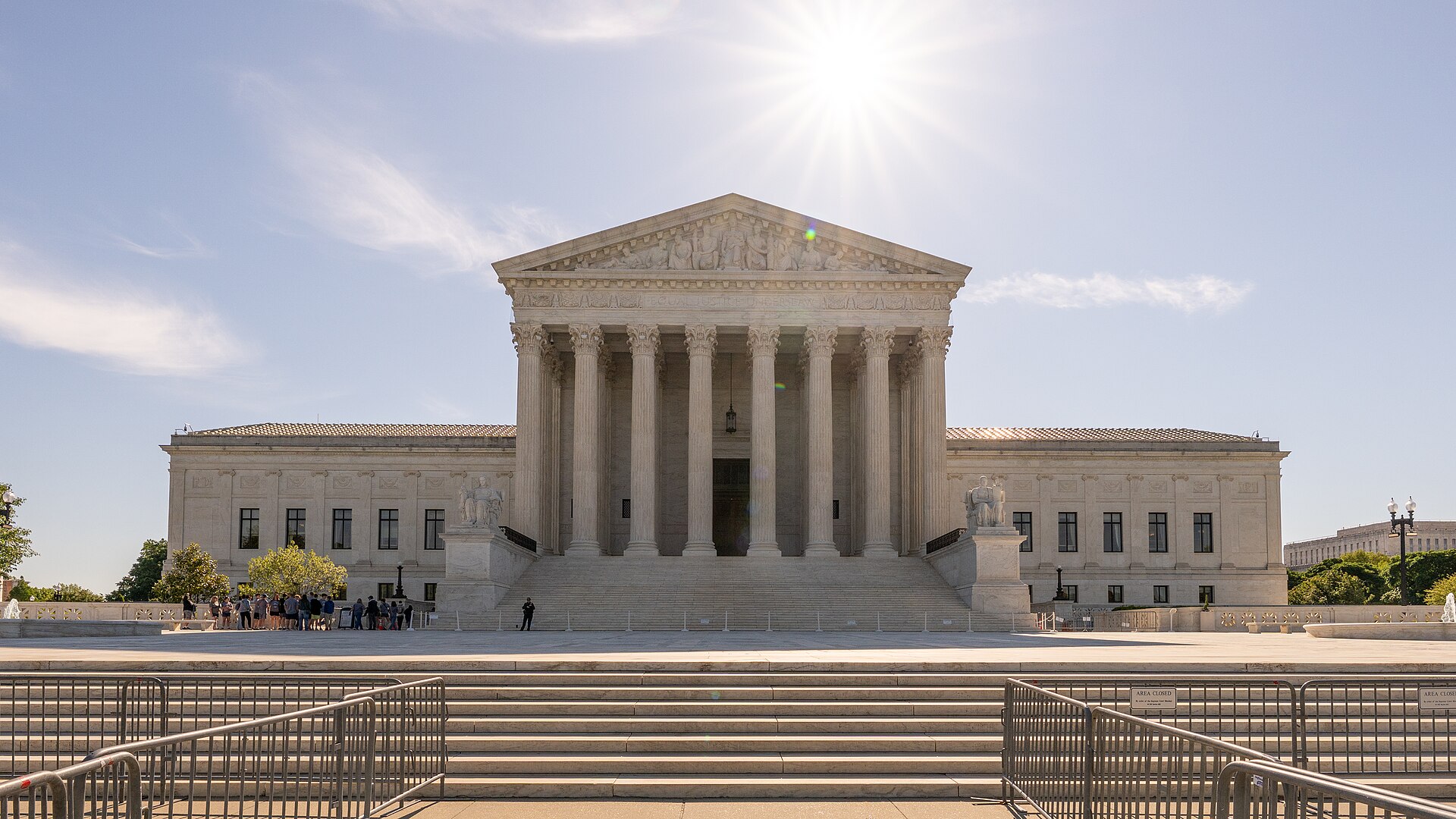
Here’s a clear look at the major Supreme Court fights on the docket for 2026–2027 and what they mean for law, liberty, and who gets the final say in Washington.
The upcoming term will center on classic federalism questions and whether the national government has overstepped its bounds. Conservatives are watching closely for rulings that could rein in the administrative state and restore clearer limits between federal and state power. The stakes include how much authority agencies like the EPA or IRS can exercise without fresh direction from Congress.
Religious liberty cases are expected to be prominent, and many Republicans see this as an opportunity to protect conscience rights against bureaucratic mandates. Courts will be asked whether individuals and faith-based groups can be compelled to act against deeply held beliefs. A favorable outcome for religious freedom would signal greater respect for pluralism and a narrower scope for government coercion.
Second Amendment issues are likely to re-emerge, with questions about which regulations are consistent with the right to keep and bear arms. Conservative justices often look for textual and historical grounding when evaluating these claims, arguing that law-abiding citizens should not be stripped of core protections. Decisions here will shape state and federal efforts to regulate firearms for years to come.
Expect major fights over administrative law, especially doctrines that give agencies broad deference in interpreting statutes. Many Republicans want the Court to curtail doctrines like Chevron deference, arguing that elected lawmakers, not unelected bureaucrats, should make significant policy choices. A rollback would force Congress and the president to be more accountable and cut down on unchecked regulatory power.
Election law and the mechanics of how votes are counted will continue to draw attention, with conservatives focused on state control over elections and preventing federal overreach. Cases could test the limits of congressional power to set election standards versus state primacy in running elections. The outcomes will matter for future disputes over voter integrity, ballot access, and the balance between uniform standards and local administration.
Property rights and takings doctrine are on the radar as well, especially where environmental or zoning rules meet private ownership. Republicans tend to emphasize protection for owners forced to bear public burdens without just compensation. The Court’s approach could either reaffirm strong private property protections or allow broader regulatory constraints in the name of public welfare.
Immigration and executive authority are perennial subjects for the high court, and this term is no exception. Litigation may hinge on how far the president can act unilaterally on enforcement priorities and grant immigration relief. A conservative-leaning result could reinforce limits on executive discretion and restore a central role for Congress in setting immigration policy.
Free speech challenges will test the boundaries of regulation in both physical and digital spaces, with tension between content-based restrictions and core First Amendment protections. Republicans typically defend robust free speech rights while seeking practical rules that allow safety and order. The Court’s rulings will set the tone for how much government may regulate speech in public discourse and online platforms.
Criminal justice and separation of powers questions will also reach the bench, probing issues like prosecutorial discretion and judicial review of agency actions that touch on criminal enforcement. Conservatives often emphasize law and order alongside a need for clear rules so citizens know the law. Narrow decisions could strengthen procedural protections and clarify where criminal authority ends and civil regulation begins.
Across all these areas, the common conservative theme is restoring clear limits on centralized power and protecting individual rights guaranteed by the Constitution. The 2026–2027 term will not just decide technical points of law; it will help define whether the next generation of legal doctrine favors democratic accountability or expands unelected authority. Expect sharp opinions and closely watched outcomes that will reverberate through legislatures and state courts.

