

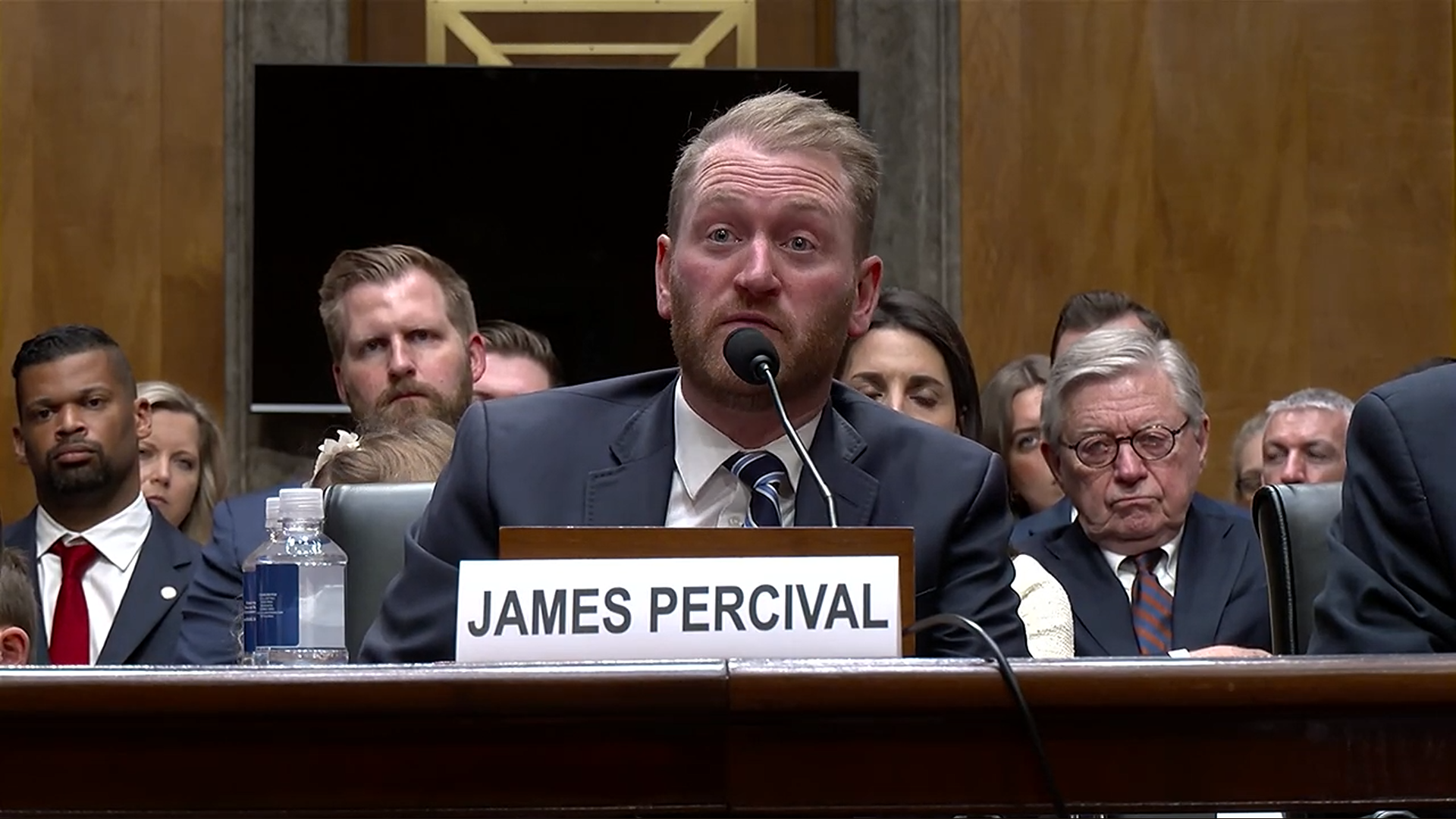
The Florida Bar declined a request from leftist groups and former judges to investigate DHS General Counsel James Percival after he criticized what some call rogue judges, according to an Aug. 18 letter obtained by Fox News’ Bill Melugin.
The Florida Bar’s decision landed where many conservatives hoped it would: no inquiry into a senior Department of Homeland Security lawyer for criticizing judicial overreach. The request came from a mix of leftist groups and former judges, who asked the bar to look into Percival’s public comments. The Aug. 18 letter obtained by Fox News’ Bill Melugin shows the bar rejected that plea.
This episode highlights a broader debate about accountability and the limits of professional discipline for public officials who criticize courts. Republicans see the move to investigate as politically motivated, aimed at silencing criticism of judges perceived to stray from the law. Public servants who speak out about judicial decisions, especially on matters of national security and immigration, are often targeted by activist groups seeking to chill debate.
Legal professionals have a duty to follow ethical rules, but those rules should not be weaponized to punish routine commentary or policy criticism. When state bars entertain politically charged complaints, it risks turning licensing bodies into tools for partisan fights. Many conservatives argue that free expression by government lawyers about judicial misconduct or dangerous precedents is a legitimate part of civic life.
James Percival, as DHS General Counsel, operates at the intersection of law and policy in sensitive areas like border security and immigration enforcement. His comments drew scrutiny because they questioned the judgment of certain judges and court decisions. For Republicans, that scrutiny felt like an attempt to protect judicial actors from any public accountability, rather than a measured ethics inquiry.
Those who pushed for a probe framed their complaint as a defense of legal norms and professional conduct, while critics described it as a soft form of censorship. The dynamic is familiar: activist groups mobilize complaints, and professional bodies must decide whether to engage. In this case the Florida Bar opted not to pursue the matter, effectively closing a route for discipline in response to political critique.
The decision will matter going forward because it sets a tone for how far professional regulators will go when speech and politics collide. Republicans will celebrate the outcome as a win for candid debate and for officials who call out judicial excess. At the same time, defenders of the petitioning groups may see more pressure to find other avenues to challenge perceived misconduct in federal legal circles.
Beyond the immediate actors, the episode underscores a larger tension about who gets to define proper speech by public lawyers. Is it the bar, with its disciplinary processes, or the public and elected officials engaging in political argument? Conservatives generally favor keeping disciplinary mechanisms out of that arena to preserve vigorous public discussion and to resist regulatory overreach.
Whatever one thinks about Percival’s tone or targets, the Florida Bar’s rejection sends a practical message: not every politically charged complaint will trigger formal investigation. That outcome reassures those who view public legal commentary as part of the democratic process and raises questions for those who hoped discipline would follow. The dispute is likely to reappear in future conflicts between regulatory bodies and political critics.

