

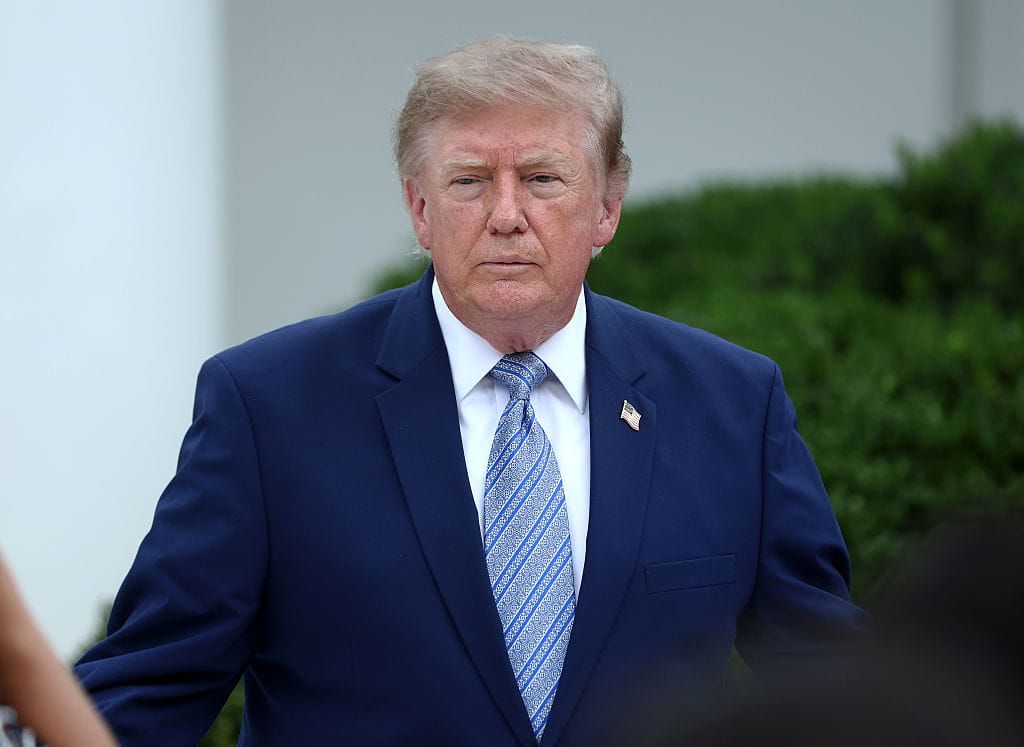
Democratic leaders are openly debating whether to pursue another impeachment against Donald Trump as the Sep 1, 2026 midterms near, weighing political risk against outrage and voter fatigue.
Democrats face a hard choice: press forward with impeachment talk that energizes their base or pull back to avoid giving Republicans a potent campaign message. Polling and public sentiment show many voters are tired of constant headline drama, and that fatigue could cost Democrats at the ballot box. The tension plays out publicly as strategists try to balance principle, optics, and electoral math.
“Will they not do it, or will they just not talk about doing it?” is a line that keeps cropping up in Democratic circles, and it sums up the dilemma. Republicans see that ambiguity as weakness and an opportunity to frame the narrative around abuse of power and election-year gamesmanship. From a conservative vantage point, repeated impeachment attempts look like political theater, not governance, and risk alienating swing voters who want everyday issues addressed.
Impeachment carries constitutional implications, but it also has become a political shortcut for opponents who lack a winning message on the economy, crime, and the border. When the process turns into a recurring tactic, voters ask if governing takes a back seat to headline chasing. That question resonates with constituents who are worried about inflation, public safety, and jobs more than Washington feuds.
History matters: the last two removal attempts ended without a conviction in the Senate, leaving Democrats with political bruises and no lasting legal victory. Republicans point to those outcomes as proof the impeachment route is ineffective and risky. For conservatives, the lesson is simple—turn the impeachment narrative into proof that Democrats are out of touch with voters’ priorities.
Strategically, Democrats must decide whether impeachment will mobilize their base enough to offset the backlash among moderates and independents. Republicans will spin any move as proof of weaponizing power for partisan gain, tying it to broader themes of overreach and instability. That framing can be especially damaging in districts where independents swing the outcome and margins are razor thin.
Legal arguments on both sides will be amplified, but politics will ultimately drive the calendar, not courts. Republicans argue that real accountability should follow through proper investigations and prosecutions rather than headline-driven processes. By emphasizing due process and the rule of law, conservatives aim to portray impeachment as a tool of political retribution rather than sober constitutional remedy.
Messaging will decide how voters interpret the fight. Republicans can make a case that impeachment talk highlights Democratic desperation and a lack of policy ideas, while Democrats hope it underscores a commitment to holding leaders to account. The coming weeks will show whether voters buy the GOP argument that Democrats are prioritizing political attacks over everyday concerns.
Midterm dynamics magnify every move: turnout, enthusiasm, and the national mood will shape whether impeachment discussions help or hurt. Republicans will use those dynamics to frame the contest as a referendum on competence and priorities, pitching stability and practical solutions. Conservatives believe the best response is to point to tangible policy differences and remind voters of the consequences of constant Washington infighting.
The political calculus is clear: Democrats must weigh short-term outrage against long-term electoral consequences, while Republicans prepare to exploit any misstep. With Sep 1, 2026 on the calendar and the electorate restless, both sides are jockeying for advantage in a contest that will test who voters trust to focus on real problems. The outcome will hinge less on legal theory and more on which party convinces the public it is focused on governing.

