

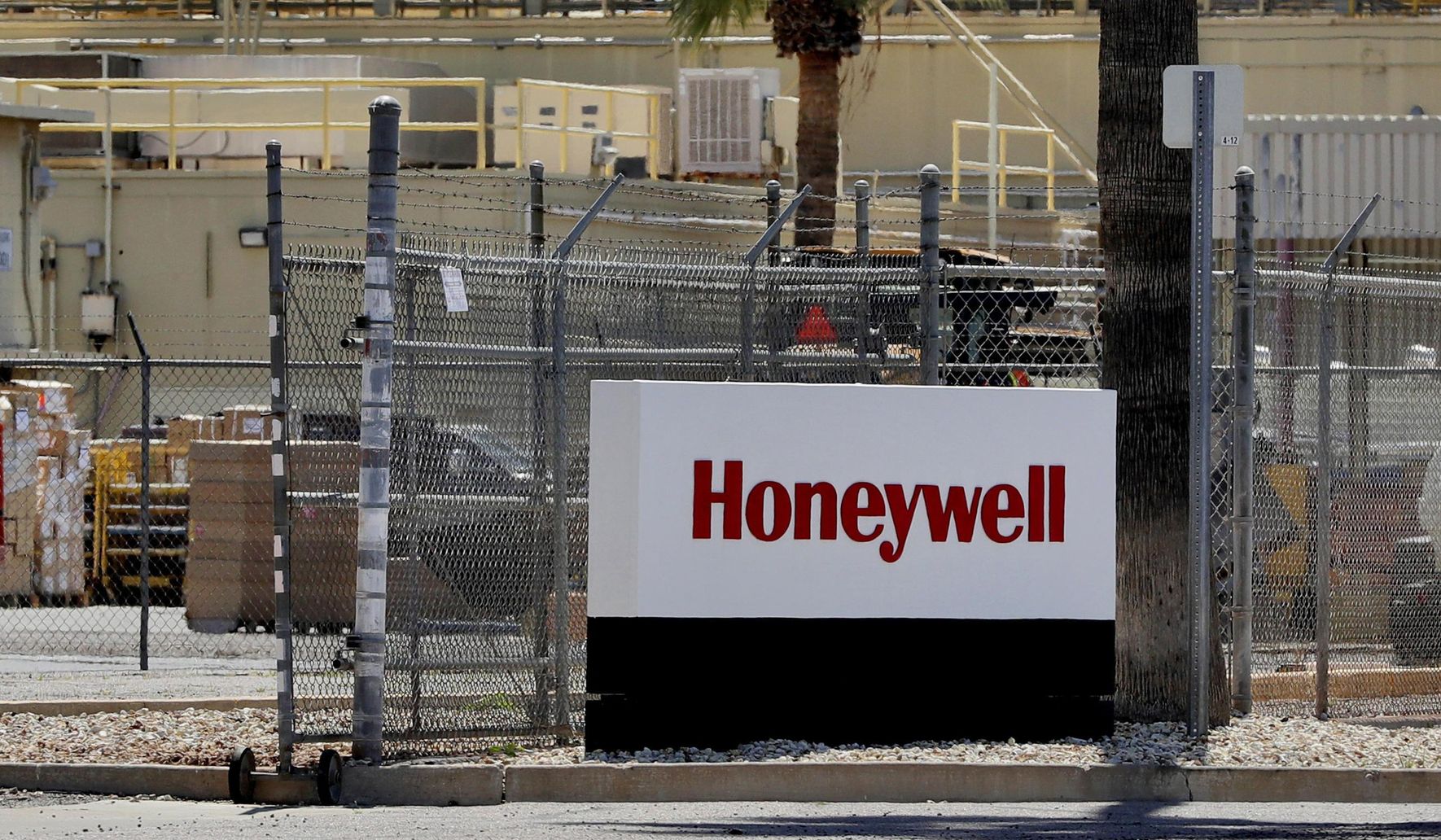
Honeywell Aerospace Inc. has agreed to pay $2,042,518 to resolve allegations that it is liable under the False Claims Act for failing to comply with cybersecurity requirements in a contract with the U.S. government. The payment settles claims tied to alleged lapses in meeting contract cybersecurity obligations. This action underscores growing enforcement scrutiny of contractor cybersecurity practices.
The reported payment of $2,042,518 represents a formal resolution of civil allegations under the False Claims Act, which targets false or fraudulent claims made to the government. Companies facing these allegations often negotiate settlements to resolve government concerns without prolonged litigation. In this case, the focus was specific: compliance with cybersecurity requirements included in a government contract.
The False Claims Act provides a mechanism for the government to recover funds when contractors are alleged to have misrepresented compliance or otherwise submitted claims tainted by noncompliance. It also gives whistleblowers a path to bring qui tam actions on the government’s behalf. While outcomes vary, settlements like this one signal that contractual cybersecurity commitments are being treated as material to government procurement decisions.
Cybersecurity clauses have become standard language in many federal contracts, especially in sectors that handle sensitive information or critical infrastructure. Those clauses typically require contractors to implement specific controls, report breaches, and maintain documentation demonstrating compliance. When contractors fail to meet those obligations, the government can view that failure as a breach with financial and legal consequences.
For aerospace and defense suppliers, the stakes are especially high because their work often touches national security and sensitive systems. Contractors are expected to maintain records, evidence of implementation, and timely reporting when incidents occur. Deficiencies in these areas can trigger internal reviews, audits, or legal actions that carry both reputational and financial costs.
Corporations commonly settle False Claims Act allegations for several pragmatic reasons: to limit legal exposure, control costs, and move past uncertainty. Settlements do not always indicate an admission of wrongdoing, but they do shift the calculus for other contractors watching enforcement patterns. The $2,042,518 resolution in this matter sends a clear message that cybersecurity compliance is not optional in government work.
Operationally, companies that work with the government should treat cybersecurity clauses as contractually binding obligations that require active management. That means implementing technical controls, maintaining policies, training staff, and documenting actions in a way that can be demonstrated to auditors or investigators. Regular internal assessments and clear escalation procedures reduce the risk that paperwork gaps or process failures will turn into legal claims.
Moving forward, contractors and subcontractors will likely see continued attention from procurement officials and enforcement agencies on cybersecurity compliance. Maintaining up-to-date controls, clear documentation, and timely reporting practices helps organizations meet both contractual demands and the broader expectation that government partners protect sensitive data and systems. The recent resolution involving Honeywell Aerospace Inc. illustrates how compliance lapses can translate into significant financial outcomes and why companies must prioritize cybersecurity as a core part of contract performance.

