

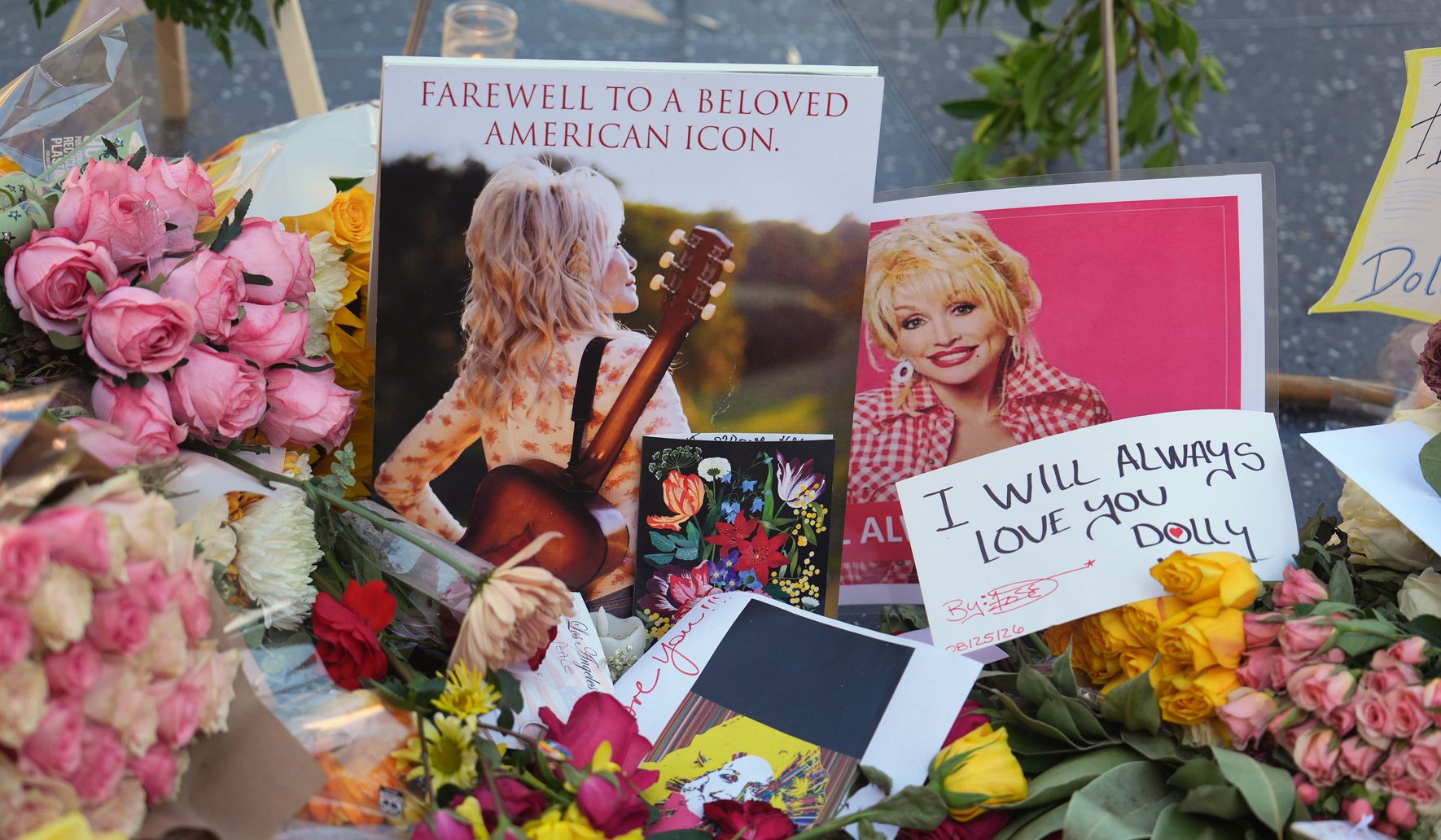
The mayor of Olive Branch, Mississippi, has declined to lower city flags in honor of Dolly Parton, saying half-staff observances should be limited and carefully used.
The city of Olive Branch is drawing attention after its mayor refused to lower flags at municipal buildings for Dolly Parton. The official said the practice of flying flags at half-staff should be reserved for a narrow set of circumstances. That decision has stirred debate about respect, tradition, and local authority.
On one side, people see flag-lowering as a simple and visible way to mark a national moment or honor a cultural figure. Supporters of the mayor’s stance argue that the symbol of the flag carries weight and should not be used for every public event or celebrity passing. That viewpoint stresses keeping official gestures meaningful so they retain their solemnity.
From a Republican perspective, the argument for restraint centers on limited government discretion and preserving civic traditions. Local leaders are entrusted to make decisions that reflect their community’s values and long-term standards. Letting every popular figure trigger an official half-staff directive risks diluting the symbol and handing out governmental honors like participation trophies.
Practical concerns also come into play. City managers and maintenance crews must physically lower and raise flags, and small municipalities operate on tight budgets and schedules. Conservatives tend to favor policies that protect public resources from being stretched thin by repetitive ceremonial tasks. The mayor’s decision can be framed as stewardship of time and taxpayer dollars while upholding an established protocol.
At the same time, many residents and fans view Dolly Parton as an icon whose contributions to music and philanthropy transcend entertainment. For them, a lowered flag would be a fitting, public acknowledgment of a life that moved millions. Those emotional responses highlight a tension between popular sentiment and the formal rules that govern civic honors.
Another piece of the debate is who gets to decide what merits a half-staff observance. Some argue for state or federal guidance to create consistent, predictable standards. Others prefer local control so elected officials can reflect their constituents’ preferences. The mayor’s refusal underscores a preference for local judgment, even when that judgment runs counter to broader public feeling.
Alternatives exist that allow communities to express respect without changing flag protocol. Moment-of-silence events, community vigils, proclamations, and cultural tributes can honor a person’s legacy without altering flag status. From a conservative viewpoint, offering alternate ceremonies preserves the flag’s ceremonial value while still allowing towns to pay tribute.
This episode also raises questions about symbolism and the proper role of government in public mourning. Symbols matter, and conservatives often caution against overuse that can render them hollow. By keeping flag-lowering rare and reserved, officials aim to maintain a consistent, dignified standard for official recognition.
Whatever one thinks of the mayor’s call, the dispute highlights broader cultural questions about how communities honor public figures. It forces a choice between spontaneous, popular displays and deliberate, institutional restraint. The conversation in Olive Branch is a reminder that even small decisions about civic rituals reflect deeper beliefs about tradition, authority, and respect.

