

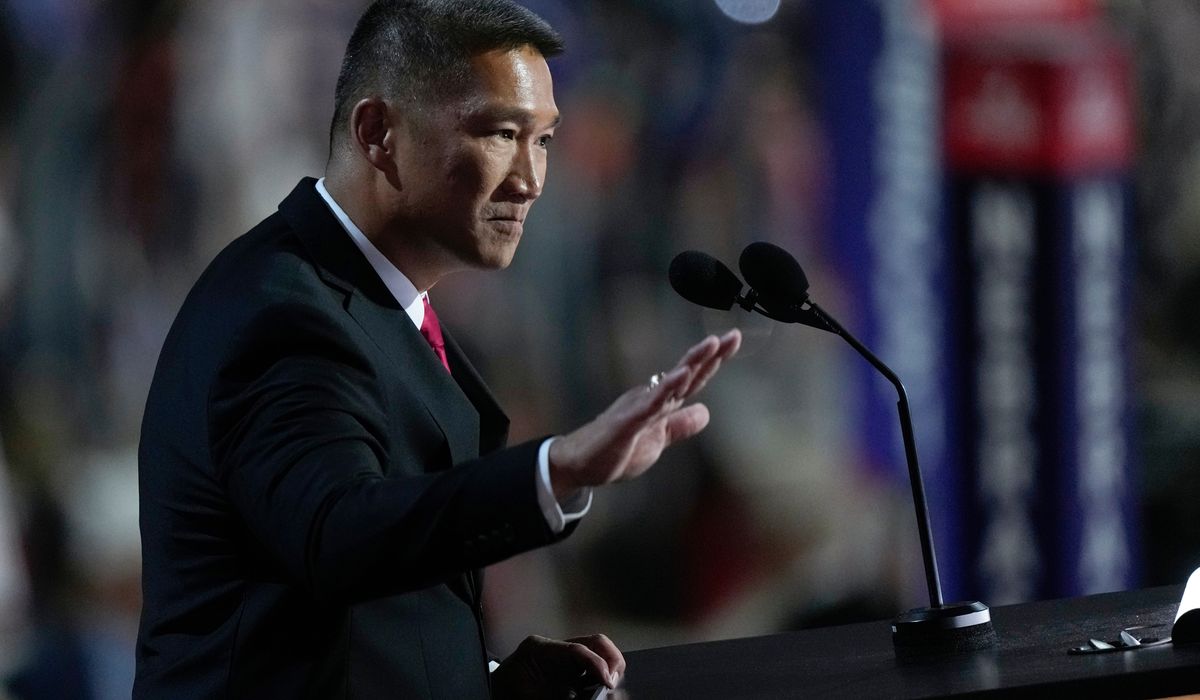
President Trump has nominated Hung Cao to be Navy Secretary after Cao served as acting secretary since April, marking a step to solidify leadership for the Navy and signal priorities on readiness, shipbuilding, and a tougher posture in the Indo-Pacific.
President Trump on Tuesday nominated Hung Cao to become Navy Secretary, after serving in the post in an acting capacity since April. That announcement formalizes what many expected after months of transitional leadership at the Pentagon level. Republicans see a straight path: confirm a leader who can focus on fleet strength, maintenance, and deterrence. The nomination clears the way for a Senate review and a vote that will decide his permanent role.
The Navy Secretary runs the Department of the Navy’s civilian side and sets policy direction affecting sailors, shipyards, and procurement. With the fleet stretched across multiple theaters, a confirmed secretary matters for steady decision making and budget priorities. A Republican perspective emphasizes rebuilding readiness and holding line items that back ships, submarines, and critical systems. Leadership stability also helps commanders plan multi-year maintenance and deployment schedules.
Cao’s stint as acting secretary since April gave him a short runway to demonstrate priorities and hit the ground running. Acting roles let a leader make some immediate changes, but permanent confirmation brings authority to shift strategy and shape long-term programs. Supporters argue that confirming someone already familiar with ongoing operations minimizes disruption. Opponents may press on nominations and oversight, but the GOP case centers on continuity and results for sailors.
Three consistent themes are likely to dominate the confirmation debate: readiness, procurement, and posture. Readiness covers personnel, training, and maintenance that keep ships and crews mission-ready. Procurement touches shipbuilding schedules, spare parts, and acquisition reform to prevent cost overruns and delays. Posture involves where and how the Navy is deployed, especially given competition in the Indo-Pacific region.
From a conservative viewpoint, the Navy should be prioritized as part of a broader national security strategy that emphasizes deterrence and force projection. That means supporting shipyards, encouraging efficient contracting, and making sure money flows to platforms that matter most. It also means backing our sailors with modern equipment and clear rules of engagement so they can operate confidently. By focusing on those practical items, a secretary can deliver tangible results quickly.
Expect senators to ask about how Cao plans to tighten maintenance cycles and reduce deployment strain on crews. They will likely probe his ideas for accelerating shipbuilding without sacrificing oversight. Lawmakers may talk about partnerships with allies, industrial base resilience, and how to counter maritime coercion. Cao’s answers will shape whether he wins broad support or faces a contentious fight in committee and on the floor.
Confirmation also has budget implications. A permanent secretary can influence the administration’s pitch to Congress on defense spending priorities, helping secure funding for naval modernization. Republicans typically push for strong defense budgets that focus on capability, not endless audits or red tape. If Cao can present a clear, pragmatic plan that links investment to outcomes, he will strengthen his case with appropriators and rank-and-file senators.
The timing matters politically as well as operationally. Naming a nominee now avoids a prolonged leadership gap and signals that the administration is locking in its defense team. For conservatives, swift action on key posts demonstrates resolve and an ability to govern. For the Navy, it means fewer pauses in strategy development and clearer guidance for planners in Washington and at sea.
Whatever the Senate decides, the nomination highlights the ongoing debate over how to best prepare for future challenges on the oceans. Republicans will argue the path forward requires firm leadership, fiscal discipline, and a focus on platforms that project power and protect American interests. Cao’s confirmation process will test whether those principles resonate across party lines and whether Congress is willing to back a full-speed effort to strengthen the fleet.

