

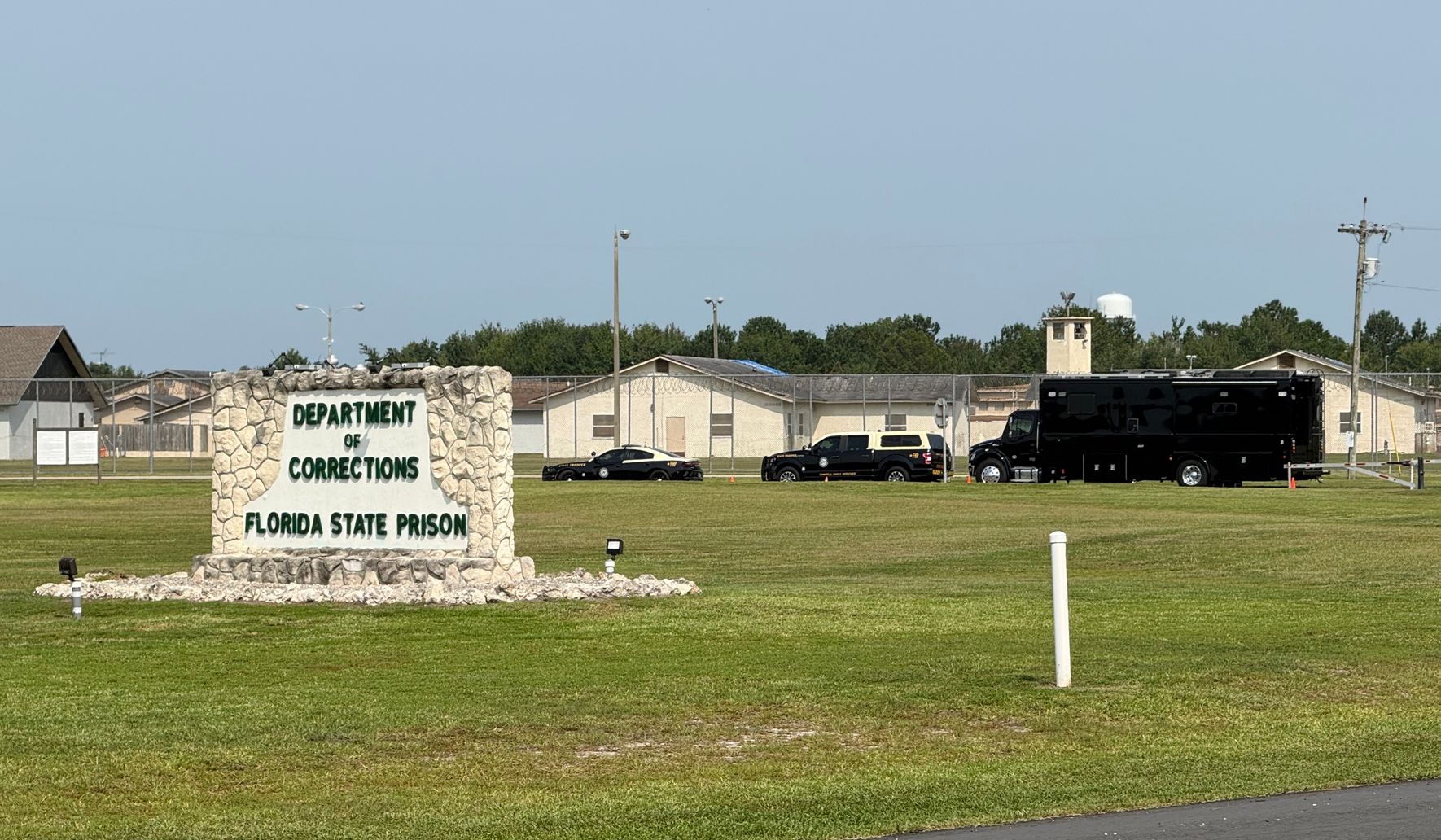
A man convicted of killing a teenage girl who rejected his romantic advances and wounding two of her friends was put to death Tuesday in the first of three executions planned this month in Florida. This article looks at the case, the response from victims’ families and officials, and the broader questions it raises about justice and public safety.
The case begins with a brutal act that targeted a young woman simply for turning down a romantic advance. A man convicted of killing a teenage girl who rejected his romantic advances and wounding two of her friends was put to death Tuesday in the first of three executions planned this month in Florida. That basic fact frames everything else: a life taken, two others harmed, and a community demanding answers and accountability.
Victims’ families have been central throughout the process, and their voices matter in any discussion of punishment. They lived the consequences of the crime every day and pushed for closure through the court system and the appeals process. For many of them, the execution represented a closing of a painful chapter and recognition that the criminal justice system moved to deliver a final consequence.
Law enforcement and prosecutors argued that the sentence fit the severity of the crime and followed the rule of law at each step. Trials and appeals play out under strict rules and precedent, and in this case the courts sustained the conviction and ultimate sentence. It’s important to remember the safeguards and procedures designed to make sure verdicts and penalties are the result of careful legal work.
Public safety and deterrence are part of the conversation, and conservatives often stress the need for firm consequences to protect communities. When violent criminals act without regard for others’ lives, elected leaders and prosecutors must use every lawful tool available to keep neighborhoods safer. This case has been cited by supporters of capital punishment as an example of why a strong deterrent matters.
Critics of the death penalty raised familiar concerns about fairness, potential errors, and moral questions. Those debates are legitimate and deserve attention, but they should also respect the facts of each case and the due process that governed this conviction. A balanced system must weigh both the rights of the accused and the rights of victims and their families to justice.
Florida’s schedule of multiple executions this month has drawn national notice and local reaction, with each case prompting its own mix of emotion and legal scrutiny. The state has procedures in place for clemency petitions, last-minute appeals, and review; in this instance, those avenues were exhausted before the sentence was carried out. The timing and number of executions have reignited broader discussions about state authority and compassion for victims.
Community leaders and elected officials responded with statements emphasizing law and order and respect for the legal outcome. For Republicans and many conservatives, the focus is on protecting citizens and ensuring consequences for violent offenders. They argue that when the system works, it reinforces trust in institutions and sends a clear message that violent actions have severe repercussions.
Media coverage and public opinion will continue to shape how people remember the case, but the core human story remains the same: a family lost a daughter, two young people were wounded, and the justice system responded. Conversations in town halls, editorial pages, and living rooms will feature competing views on punishment and rehabilitation. Those debates are necessary, but they should never obscure the real people affected by the crime.
Legal advocates on both sides will keep pushing for reforms and reassessing how to reduce violent crime while protecting constitutional rights. Whether through tougher enforcement, improved victim services, or changes to sentencing law, policymakers must answer the practical question of how to prevent similar tragedies. For many, the lesson is straightforward: communities need strong institutions, clear consequences, and support for victims to keep people safe.
The case will be remembered for its tragic beginning and its final legal outcome, but it also raises persistent questions about justice, deterrence, and public safety. Families and communities continue to heal while lawmakers and the public wrestle with how best to balance punishment and prevention. That ongoing conversation will shape policy choices long after this particular case recedes from headlines.

