

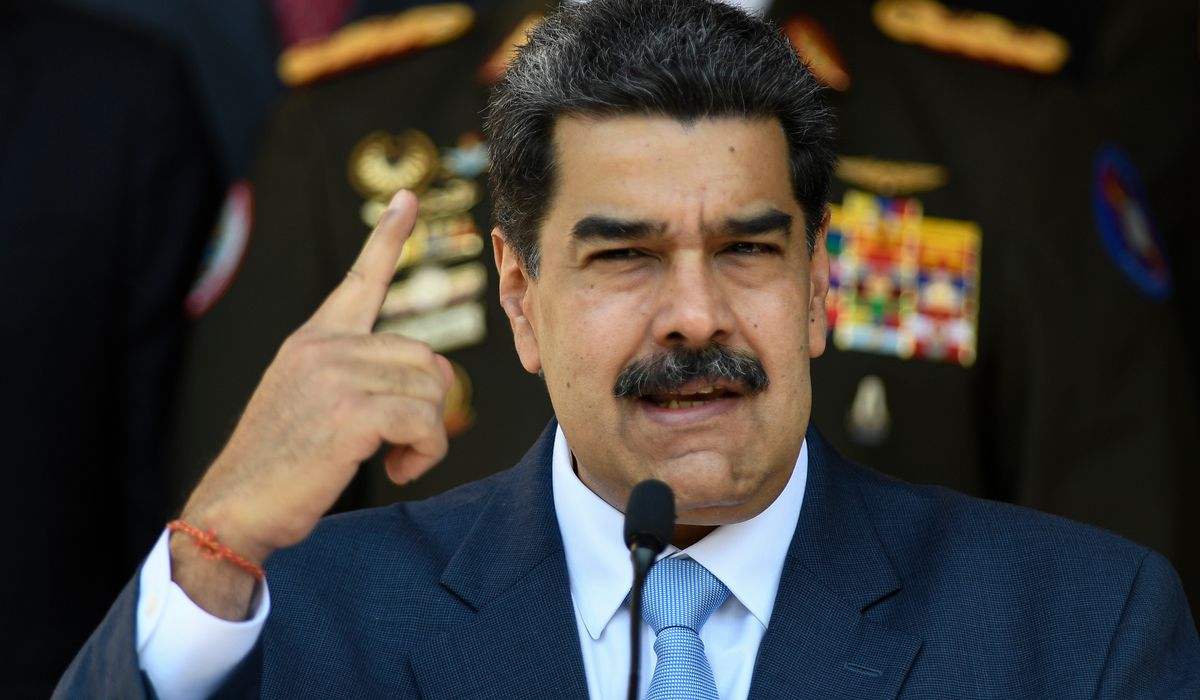
Former Venezuelan President Nicolas Maduro and his wife asked a judge on Wednesday to dismiss the drug trafficking indictment against them on the grounds that they have immunity as the leader and first lady, a move that kicks off a fresh legal and political battle over whether high office can shield alleged criminal conduct.
Former Venezuelan President Nicolas Maduro and his wife asked a judge on Wednesday to dismiss the drug trafficking indictment against them on the grounds that they have immunity as the leader and first lady. That simple fact sets the frame for a case that mixes questions of international law, domestic criminal process, and raw geopolitics. The filing is procedural but consequential: it forces courts to confront whether claims of official immunity can block serious criminal allegations.
The immunity argument rests on a legal concept often invoked by heads of state, but its scope is contested. Personal immunity traditionally protects official acts taken while in office, yet many legal systems draw a line at serious international crimes or conduct outside official duties. From a Republican perspective, invoking immunity to avoid accountability for alleged drug trafficking looks like an attempt to exploit legal technicalities rather than honestly face charges.
U.S. authorities framed the original action as a drug trafficking indictment, and that label matters. Drug trafficking is not a minor offense; it fuels violence, enriches corrupt networks, and devastates communities across the hemisphere. Republicans generally see such accusations as a national security problem, not merely a criminal case, and expect vigorous enforcement rather than deference to diplomatic status.
There are established legal routes for cleansing claims of immunity, including waivers by the home state, diplomatic negotiations, and carefully tailored judicial interpretations. Courts will weigh whether alleged conduct falls within the narrow band of protected official acts, and whether continuing to claim immunity undermines the rule of law. The Republican view often stresses that legal doctrines should not become shields for transnational crime.
The timing and posture of the filing are worth noting. Filing on a Wednesday to stop an indictment is a defensive move, and it signals an expectation that the judicial process could move slowly. That delay can have strategic value for defendants, but it also gives prosecutors and legislators time to respond. Republicans typically press for a clear line: protections for office exist, but they do not stretch to cover trafficking or other major crimes that harm U.S. interests.
Beyond courts, the dispute carries policy implications. If immunity is accepted at face value, it could weaken sanctions regimes and complicate efforts to isolate criminal actors who operate through state structures. A Republican approach favors tightening enforcement tools and using diplomatic levers selectively to prevent any loophole that would allow leaders to trade official status for impunity. Accountability needs teeth, not just legal theory.
The case also matters politically inside Venezuela. Allegations that a head of state and first lady are implicated in trafficking reinforce narratives about kleptocracy and repression that have driven millions from the country. Republicans often argue that real accountability should include support for Venezuelan citizens who seek freedom from corrupt rule, and that legal processes abroad are one avenue among many to pressure kleptocratic regimes.
How the judge handles the motion will be watched closely by international lawyers, policymakers, and the public. A ruling that accepts broad immunity could set a precedent with wide reach; a ruling that rejects immunity would push the matter deeper into evidentiary hearings and appeals. Either way, the legal tests ahead will be procedural but consequential, and they will shape expectations about whether high office still confers practical protection from criminal process.
Expect the debate to be technical and heated. Republicans tend to emphasize enforcing the law and denying safe harbor for alleged criminality, while also recognizing the diplomatic sensitivities that immunity law involves. Whatever the outcome, the assertion of immunity by a former leader and spouse over a drug trafficking indictment will keep courts and capitals engaged for months to come.

