

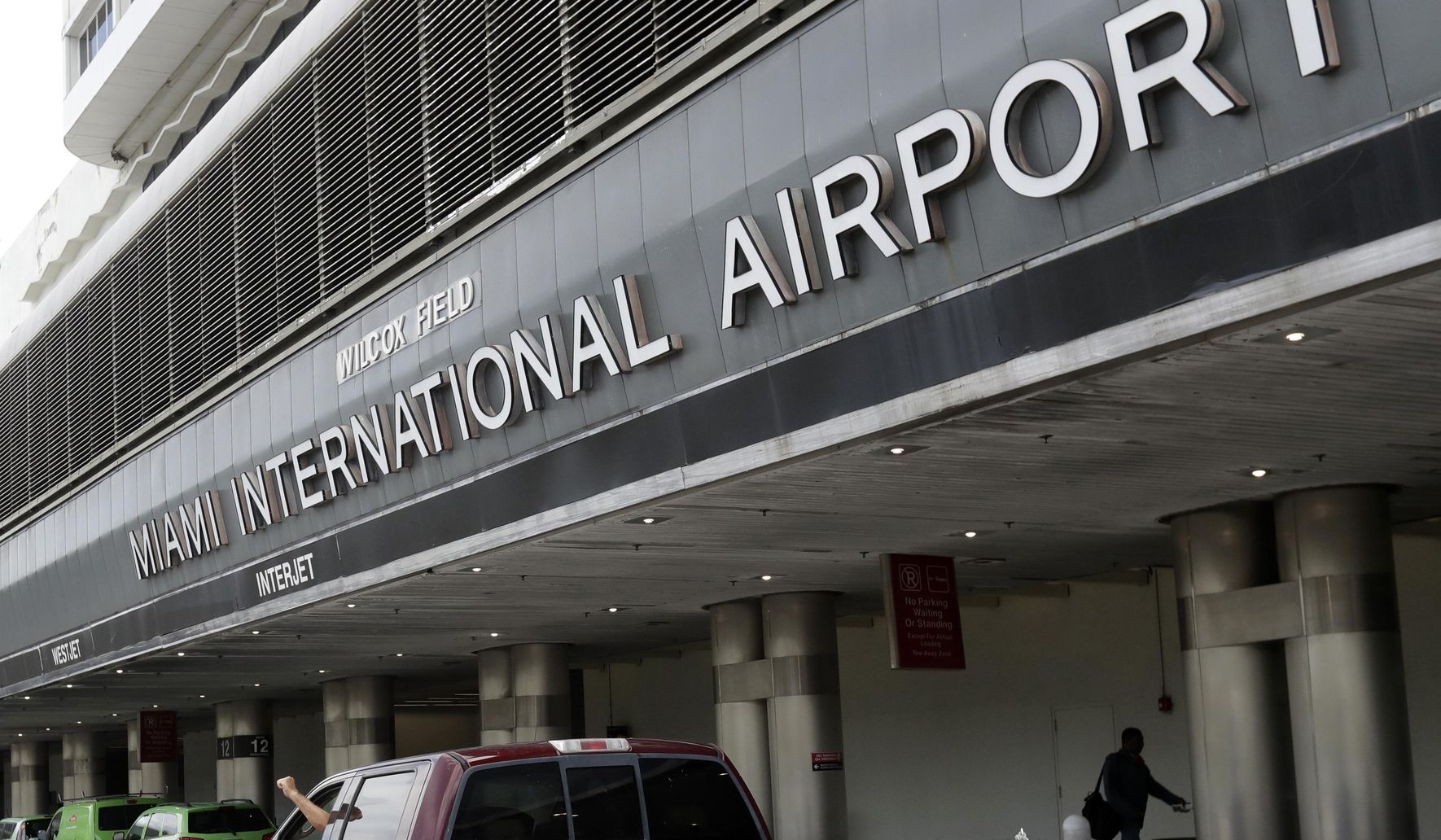
Miami International Airport halted all traffic after a cargo plane overshot the runway, plowed over a road and crashed on the other side of a barbed-wire fence.
The scene at Miami International was abrupt and disruptive, with operations paused while crews sorted the situation. Airside activity stopped and the ripple effects hit schedules across the airport. The image of a cargo jet beyond the fence summed up how quickly a routine landing can turn into an operational emergency.
Officials closed runways and held departures and arrivals to contain any further risks and to give responders space to work. Ground teams had to secure the area around the aircraft and check that no hazards remained outside the perimeter. That containment step is standard whenever an aircraft leaves the runway and crosses public access points.
Passengers and cargo customers felt the impact almost immediately through cancellations and delays, and carriers had to reroute aircraft and crews. Disruption like this affects baggage handling, gate assignments and connection times across an already tight network. Even a temporary shutdown can cascade into long waits and missed connections for many travelers.
For the airport, the priority is safety and restoring normal operations as quickly as practical. Inspectors need time to assess runway integrity, fence damage and any debris that might make the field unsafe. Those checks are necessary before flights can resume without risking more incidents.
Cargo aircraft operate on a different tempo than passenger planes, often carrying time-sensitive goods that can be affected by a single incident. Shippers will likely face rerouting, sorting headaches and potential delays in deliveries while logistics teams scramble to find alternatives. That kind of disruption reminds us how interconnected the air cargo system is with the broader supply chain.
On the ground, a plane that plows over a road adds complexity because it crosses public infrastructure and brings extra safety concerns. Road closures and traffic control become part of the response, and local agencies may need to coordinate with airport operations. That coordination helps prevent additional accidents and ensures the public stays clear of a potentially hazardous scene.
Investigators will focus on why the aircraft overshot the runway, looking at weather, aircraft performance and human factors as routine parts of the inquiry. Maintenance records and pilot reports will be examined alongside surveillance and radar data to paint a full picture. These investigations can take time, but their purpose is to identify causes and recommend fixes so something similar doesn’t happen again.
Meanwhile, airlines and cargo operators will be juggling crew duty limits, aircraft availability and customer expectations. Scheduling teams might call in relief crews, tug aircraft into position or lease alternatives to keep essential shipments moving. It’s a scramble that plays out behind the scenes while passengers and shippers wait for official word on resumption of service.
The public sees the immediate headlines, but there are quieter follow-ups: fence repairs, pavement inspections and paperwork that must be filed before the runway is certified safe again. Those practical tasks are what really determine how fast an airport can get back to business. It’s not glamorous work, but it’s indispensable.
Events like this also prompt broader conversations about infrastructure resilience and emergency planning at busy airports. Stakeholders will review response timelines and resource staging to see what adjustments might speed recovery next time. In the end, responders aim to restore normal operations while minimizing risk and making sure lessons learned are applied.

