

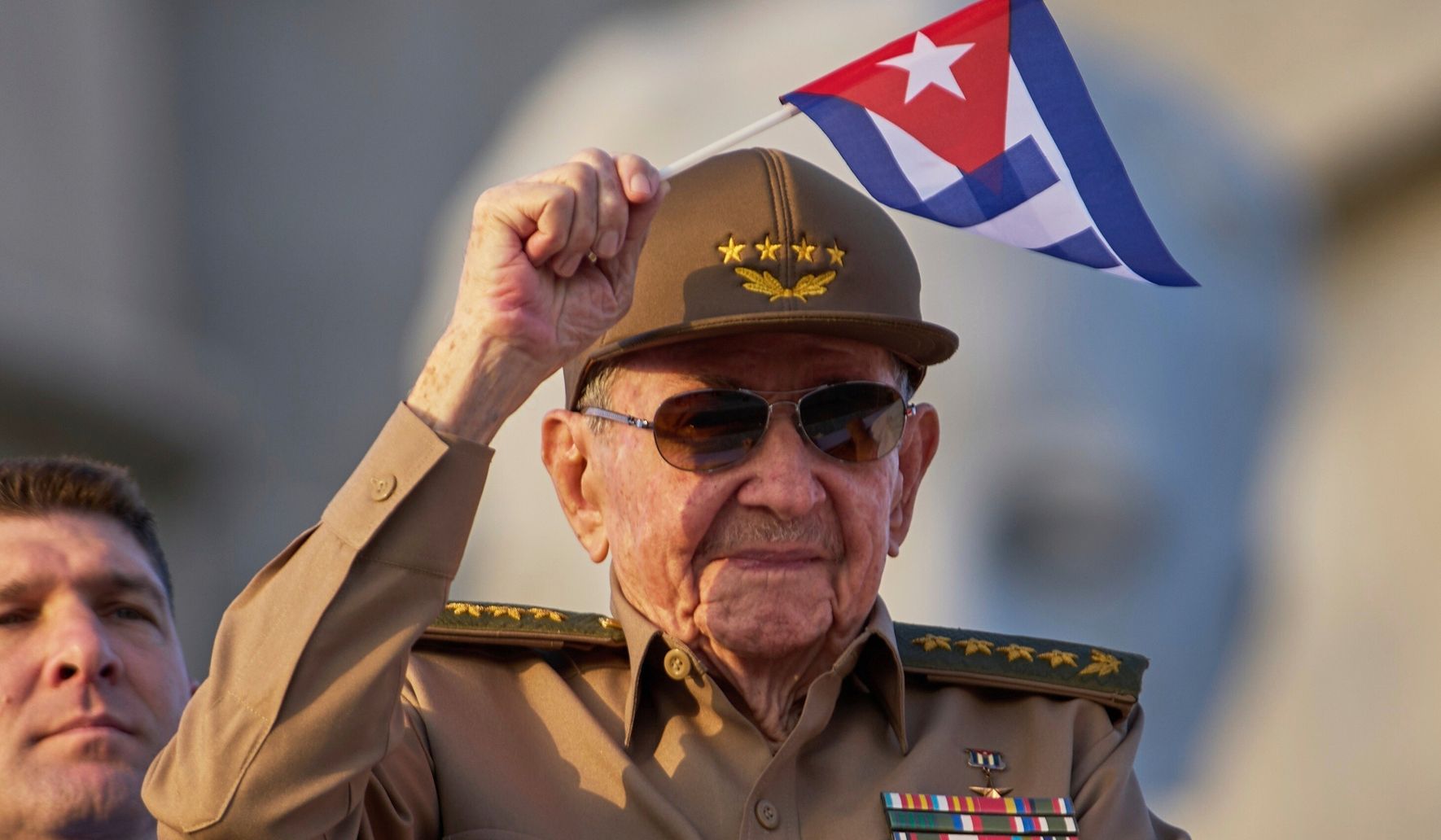
Former Cuban leader Raul Castro made a public appearance at a military ceremony marking the anniversary of the armed unit tasked with protecting the country’s senior leadership.
Raul Castro showed up at a military event honoring the anniversary of an army branch responsible for safeguarding Cuba’s top leaders. The appearance was brief but highly visible, staged inside a controlled, official setting designed for maximum regime-friendly optics. State outlets framed the gathering as a solemn tribute to the unit’s history and loyalty to the revolutionary command.
The unit being celebrated is the force charged with the immediate security of senior officials, the men and women who stand between the leadership and physical threats. Their anniversary ceremonies mix ceremony, pageantry, and a reminder of who holds force in the island’s political system. For decades, such forces have been central to the regime’s internal stability and to preserving the institutional continuity of revolutionary rule.
Castro’s presence at the ceremony underscores how the Cuban leadership continues to lean on military and security institutions to signal control. In a country where public appearances by senior figures are carefully choreographed, showing up at a military birthday sends signals both at home and abroad. From a Republican viewpoint, those signals include a reminder that Cuba remains a closed system where power is guarded behind uniforms and protocols.
The event itself featured military salutes, speeches, and the ritualized honors that mark anniversaries in armed forces the world over. Organizers emphasized discipline, loyalty, and sacrifice, framing the unit as a pillar of national defense and regime protection. Attendees included senior military officers and other officials whose roles are tightly linked to preserving order within the state.
Observers often read more into these occasions than the surface ceremony. A reappearance like this can be interpreted as an effort to reassure the security apparatus and project continuity, rather than to announce policy shifts or openness. Republican-leaning analysts note that when authoritarian regimes stage such events, the priority tends to be maintaining internal control rather than expanding civic freedoms.
The protective branch celebrated at the ceremony performs a narrow but critical function: shielding top leaders and key installations from threats, whether external or internal. That focus on protective power helps explain why appearances by elder statesmen at military events are so closely watched. It also highlights the institutional reliance on force as a primary means of regime preservation.
Public staging of loyalty and order is familiar in Havana, and the ceremony aligned with that pattern. Officials used the occasion to reaffirm the bond between leadership and the unit tasked with keeping them safe, presenting a unified front in an uncertain regional environment. For critics who favor democratic reforms, these displays underscore the obstacles to change when security organs are prioritized over public debate and pluralism.

