

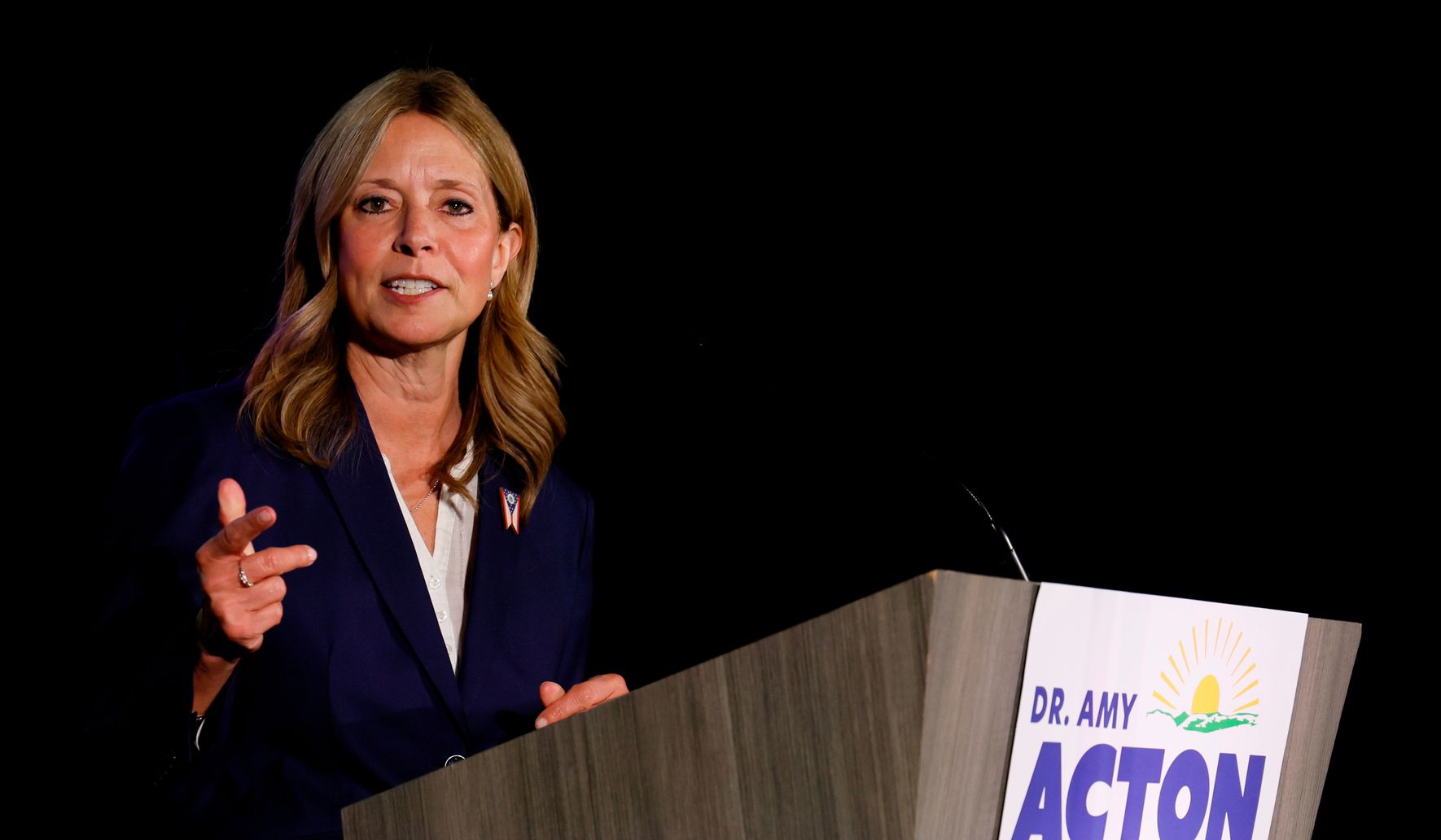
At a campaign stop at the Canfield Fair on Sunday, an armed assailant lunged at Democratic candidate for Ohio governor Amy Acton, injuring several people, campaign officials said.
The scene at the Canfield Fair on Sunday turned chaotic when an armed assailant lunged at Democratic candidate for Ohio governor Amy Acton, campaign officials said. Several people were injured in the incident, and attendees were left shaken by the sudden violence. The event was meant to be a routine campaign appearance, not a flashpoint for danger.
Campaign staff and volunteers scrambled to protect the candidate and get bystanders to safety, according to statements released after the incident. The immediate priority was tending to the injured and making sure no further harm came to fairgoers. Even a normal campaign stop can become a scene of crisis in seconds when someone brings a weapon into a crowded public area.
This attack raises serious questions about event security at public gatherings, especially during campaign season. Candidates and organizers frequently rely on local law enforcement and private teams to manage crowds, but threats like this remind us that preparation must be thorough. Electing leaders who respect law and order means ensuring citizens can attend public forums without fearing for their safety.
Political violence is corrosive to civic life, and this episode is a stark example of how quickly things can go wrong. Regardless of party or platform, Americans deserve peaceful, orderly public debate. When violence interrupts that debate, it harms the democratic process and undermines trust in public institutions.
Republicans should be clear-eyed about the consequences of violent acts at political events: they intimidate voters and volunteers, chill free speech, and invite heavy-handed responses that can escalate tensions. We support robust law enforcement responses and clear accountability for anyone who brings a weapon into a crowd. There is no place in political campaigning for armed intimidation.
At the same time, we must avoid politicizing every incident to score points. Holding elected officials and candidates accountable for their rhetoric is important, but weaponizing tragedy for partisan advantage only widens divisions. Responsible leaders on all sides need to call for calm and focus on practical steps to prevent similar attacks.
Practical steps include better perimeter control at public venues, trained rapid-response teams, clearer evacuation routes, and coordinated plans with local police. Organizers should review how they screen entrants and evaluate the trade-offs between accessibility and security. People who show up to hear a candidate should not have to choose between participating in the political process and risking their safety.
Media coverage of the Canfield Fair incident will shape public perception, and accuracy matters. Campaign officials provided the basic facts: an armed assailant lunged at Amy Acton and several people were injured. Reporting should stick to confirmed facts and avoid amplifying unverified claims that could inflame tensions further.
Voters are watching how officials respond—how law enforcement handles the investigation, how campaign teams protect their people going forward, and how political leaders discuss the incident. Competent responses that prioritize safety, transparency, and accountability help restore confidence after a frightening event. Weak or theatrical reactions only deepen mistrust.
This moment also raises questions about the broader culture of political engagement. Americans must be able to disagree passionately without resorting to violence. Civil discourse has limits, and crossing those lines into physical attacks betrays the values of a free society. Leaders must model restraint and encourage peaceful participation.
For campaigns, this is a call to double down on sensible precautions without turning every appearance into a fortress. Voters should be able to ask tough questions and meet candidates face to face, but that access must come with reasonable protections. Campaigns that respect both voter access and public safety will set the standard for humane, responsible politics.
The Canfield Fair incident is a disturbing reminder that public life carries risks and that the safety of candidates, staff, and citizens matters. While details will continue to emerge from investigators and officials, the immediate need is to tend to the injured and ensure such scenes are less likely in the future. Political actors should respond with seriousness and a commitment to preventing repeat events that threaten our civic norms.

