

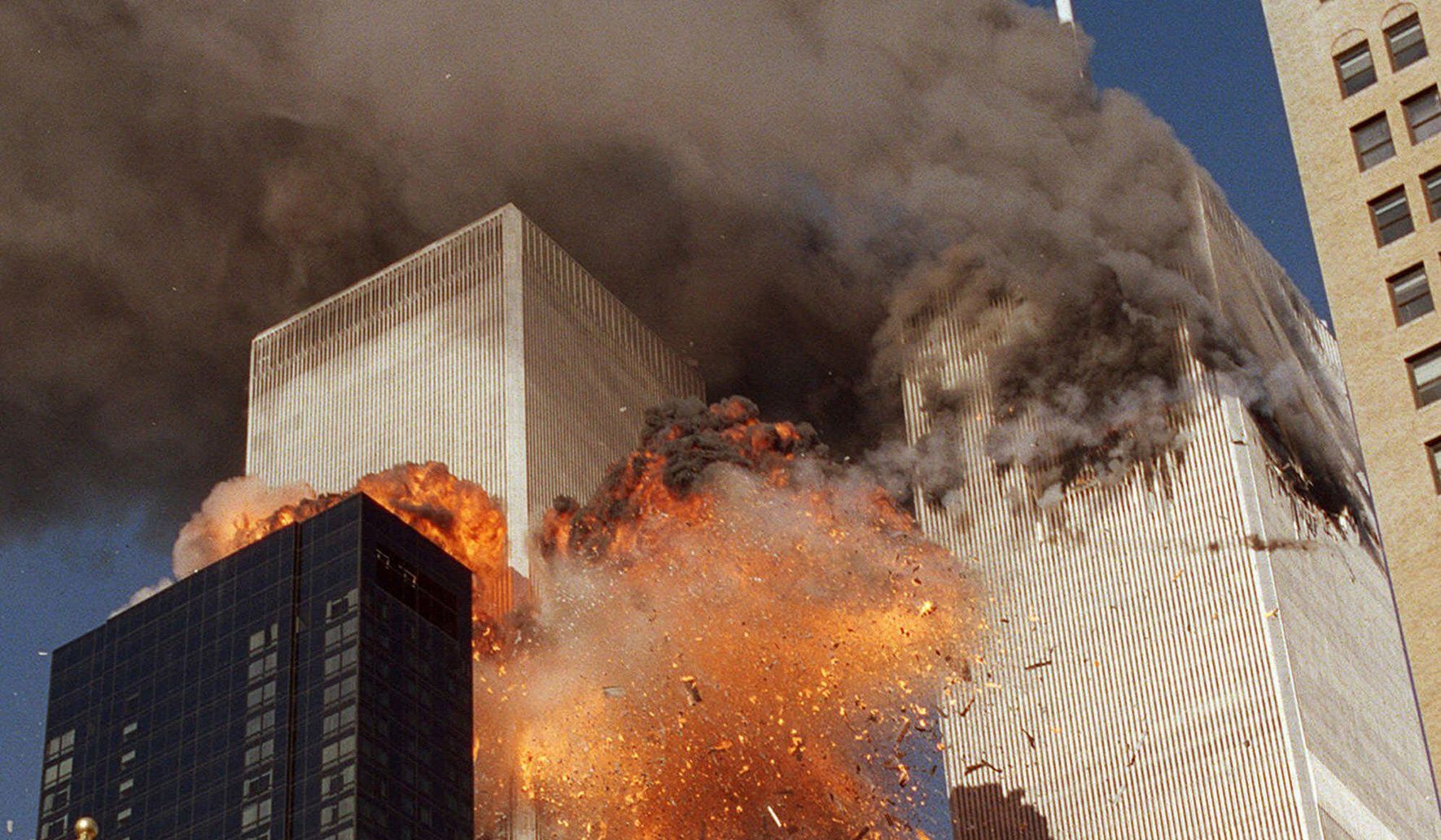
Socialist and other left-wing Democrats are drawing fresh scrutiny for past comments about the Sept. 11 terrorist attacks as the 25th anniversary arrives this Friday.
For Republicans and many voters, the timing is raw and unavoidable, and the past remarks that once slipped under the radar are back in the spotlight. The scrutiny is focused on what was said, who said it, and whether those voices have acknowledged the hurt their words caused. This moment is forcing a political test of accountability and judgment.
Many on the right see a pattern where candidates or public figures offered defensive or dismissive takes about Sept. 11 that have now resurfaced. That history matters not just for symbolism but for how voters measure character and patriotism. In tight races, perceptions of disrespect toward a national trauma can change the math at the ballot box.
The anniversary itself makes the issue feel immediate and visceral, and Republican commentators are framing the story in plain terms. They argue voters deserve clarity about past statements and current views. That push for answers is part of a broader campaign to hold elected officials to straightforward standards.
Media outlets and opposition researchers have spent weeks combing archives, pulling quotes, and replaying clips, and that effort has accelerated as Friday approaches. Republicans are using those findings to press for full, unambiguous apologies when remarks fall short. The aim is to tie loose words to concrete accountability rather than let them be forgotten.
On the ground, veterans groups and families affected by the attacks are vocal, and their responses shape public opinion. Republicans point to those voices to argue that compassion and respect should come first for anyone seeking public office. When remarks fail that basic test, opponents will not hesitate to make it an issue in campaigns.
For candidates tagged by these controversies, the response window is tight and the choices are simple: offer a clear apology, explain any context without minimizing harm, or risk prolonged damage to trust. From a Republican perspective, voters want genuine ownership, not vague language or political calculus. How each person handles that choice will matter electorally.
Party leaders on the left face a dilemma too, since defending controversial statements can alienate moderate voters while distancing from those statements can fuel internal tensions. Republicans see an opening in that dynamic and will press the contrast between accountability and equivocation. The stakes go beyond headlines; they influence coalition building and turnout.
The timing around the 25th anniversary gives this scrutiny extra gravity, and memories are sharper than most campaign talking points. Republicans plan to keep the focus on respect for victims and the need for leaders who understand national tragedies. That message is aimed at persuading fence-sitters that past words reveal priorities.
Expect exchanges to intensify through Friday as new clips and statements circulate and opponents test responses. Republicans will amplify any instances where apologies seem half-hearted or where explanations feel evasive. The broader goal is to make sure voters judge candidates not only on policies but on how they comport themselves when history matters most.
After the anniversary passes, some of these controversies may fade, but the immediate political pressure will likely shape campaign narratives for weeks. Republicans will emphasize consistency between words and values and press for leaders who place victims, responders, and national unity ahead of ideology. That emphasis will be part of the post-anniversary political landscape.

