

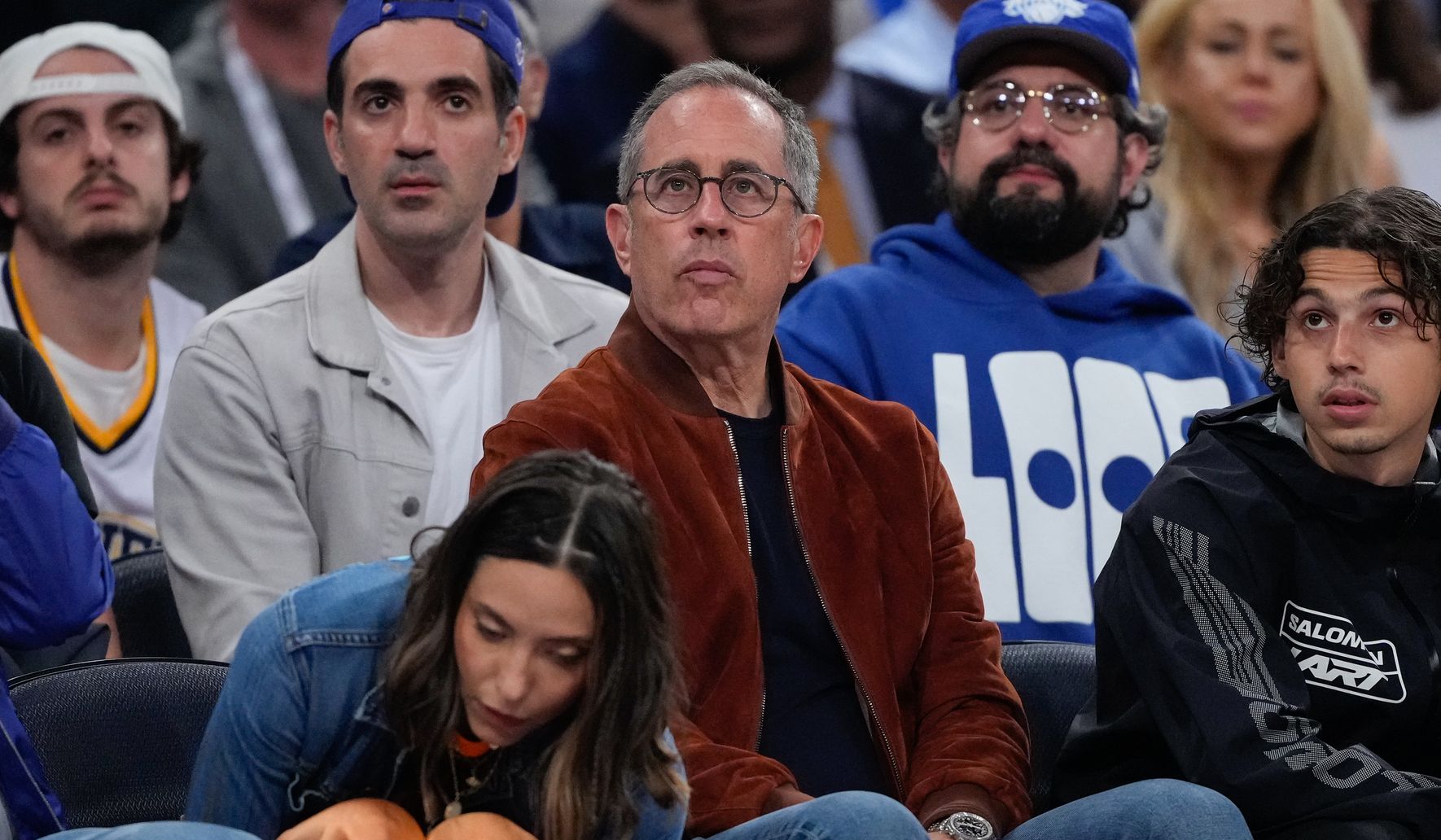
The inaugural Lisbon International Humour Festival has hit a snag as several Portuguese comedians withdrew their participation after Jerry Seinfeld was announced as a headliner, citing his public support for Israel during a tense international moment.
The withdrawals have created an immediate stir in cultural circles in Portugal and beyond, forcing festival organizers into damage control and public explanation. Local performers said they could not share a stage with a headliner whose political stance they find incompatible with their own values and commitments. That decision has turned what should be a lighthearted event into a flashpoint for larger debates about politics in art.
Organizers had touted the festival as a chance to bring international names and local talent together in a new, high-profile showcase. Instead, the event is negotiating a split between artistic programming and political protest, with both sides trying to frame the issue on moral and practical grounds. For many observers, the dispute raises the question of where comedy stops being entertainment and starts being a platform for political signaling.
Those who withdrew argued that participating alongside Seinfeld would amount to tacit approval of his public posture on foreign policy, which they view as harmful. Their choice reflects a trend of cultural boycotts that aim to hold public figures accountable for offstage positions. The tactic puts pressure on festivals and venues to pick sides or find compromises to keep lineups intact.
From a Republican viewpoint, this episode highlights the risks of allowing public events to be hijacked by ideological purges that silence differing opinions. Comedy has long thrived on pushing boundaries and testing ideas, and when organizers cave to cancellation pressure it sets a precedent that chills expression. Conservatives argue that the proper response to unwelcome speech is more speech and robust debate, not exclusion.
Seinfeld’s willingness to be outspoken on international matters is part of his public persona, and some see the backlash as a test of intellectual tolerance in the arts. Fans and fellow performers who support his right to perform stress that personal politics should not automatically disqualify someone from an artistic program. The tension here is less about the individual and more about the principle of keeping stages open to a range of views.
The festival now faces logistical headaches as promoters scramble to fill slots and manage public relations fallout. Ticket sales, sponsor support, and media coverage could all be affected by the controversy, and organizers must weigh short-term losses against long-term credibility. How they respond will signal whether Lisbon wants to be known for open debate or for quick capitulation to political pressure.
Portuguese cultural institutions are also watching closely, since the outcome could influence how other festivals handle politically fraught bookings. If the trend of withdrawal catches on, it risks fragmenting the artistic community into factions that refuse to collaborate. That fragmentation would harm audiences and artists alike by narrowing the range of voices on shared stages.
Meanwhile, the public conversation has spilled onto social platforms and opinion pages, where supporters and critics trade sharp takes. Some commentators cast the withdrawals as principled stands grounded in solidarity, while others see them as performative acts that prioritize optics over craft. The debate has become a proxy for larger disputes about loyalty, free expression, and cultural leadership.
For conservatives, the episode is a reminder that cultural battles matter and that defending pluralism sometimes requires pushing back against exclusionary impulses from the left. The argument is simple: art should be fault-tolerant and resilient, not hostage to political litmus tests. When institutions resist that logic, they risk turning cultural spaces into echo chambers.
There is also a practical question about the festival’s future programming choices, since other international acts could be warned off by the controversy. Talent agents and touring artists pay attention to how hosts handle disputes, and a reputation for instability could deter headline bookings. Organizers must balance the desire for big-name draws with the need to maintain a stable and collaborative environment.
The Lisbon incident is likely to ripple across Europe as festivals and promoters reassess their policies for booking artists with clear political profiles. Some will adopt stricter vetting or transparent guidelines, while others may double down on openness and refuse to police artists’ private views. Either approach will shape how audiences experience live comedy moving forward.
As the story develops, expect continued back-and-forth between artists, organizers, and audiences, with each side staking out firm positions. What happens next will test whether cultural institutions can host disagreement without collapsing into unilateral exclusion. The outcome will matter not just for a single festival but for the tone of public life in arts communities across the region.

