

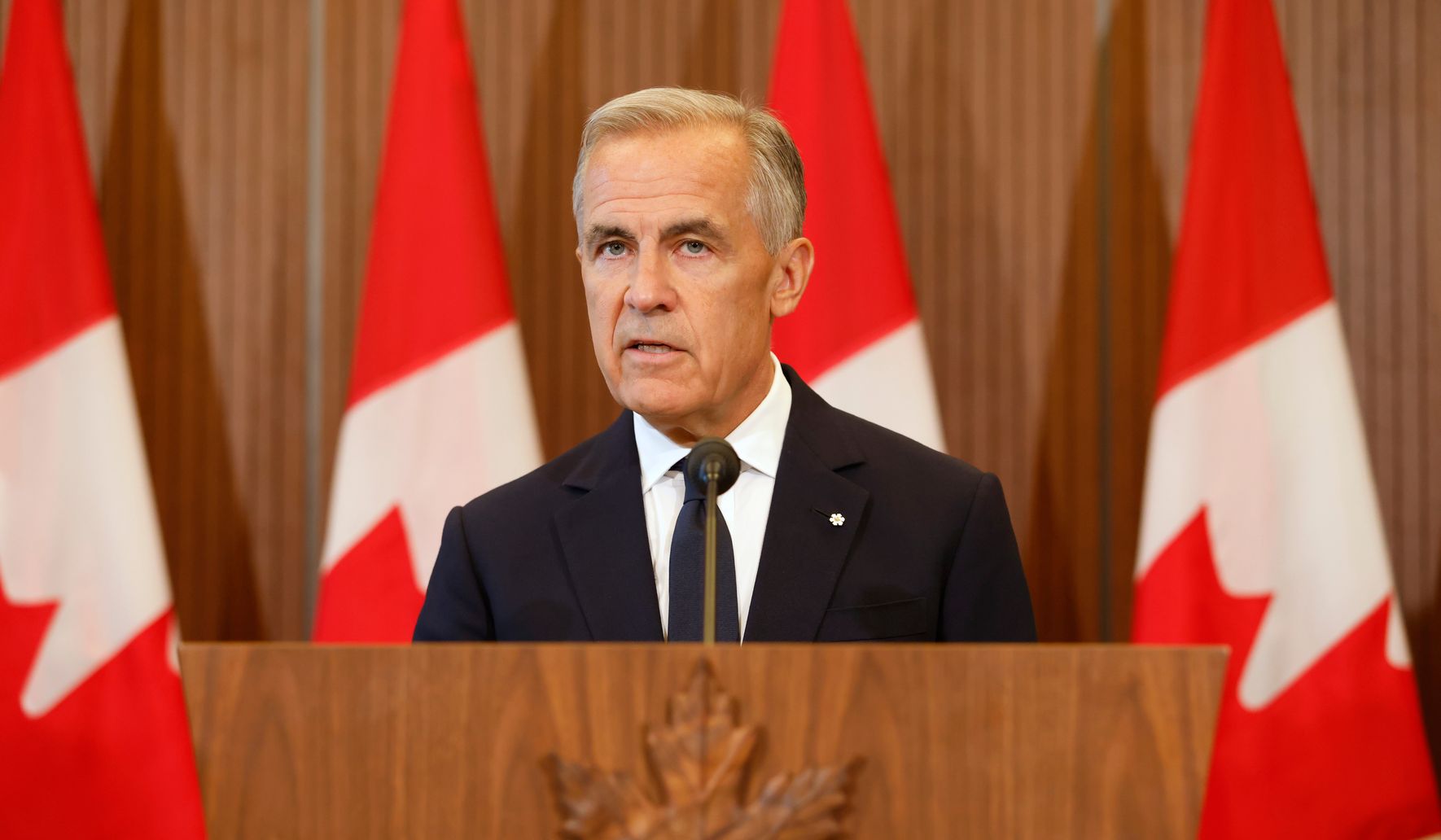
Canada followed through Tuesday, imposing retaliatory tariffs on U.S. products including dairy, furniture, appliances and other goods, with levies set between 15% and 50%.
Ottawa activated a package of retaliatory tariffs this week that targets a broad swath of American exports, from dairy to home furnishings and household appliances. The levies reportedly range from 15% to 50%, a blunt tool aimed squarely at U.S. producers. Those percentages make clear this is meant to bite, not just send a political message.
For affected U.S. industries the immediate picture is higher costs and more uncertainty. Dairy producers, furniture makers and appliance exporters now face reduced access or squeezed profit margins when shipping north. Those effects ripple through distributors, retailers and ultimately into prices consumers see on shelves.
From a Republican viewpoint, this move underscores the risks of protectionist tit-for-tat policies between close allies. Tariffs rarely help ordinary families; they raise costs, distort supply chains and punish competitive companies that play by the rules. When a friendly partner turns to heavy-handed levies, it complicates any effort to promote freer, fairer trade that benefits American workers and consumers.
There’s also a political layer: Canada frames its action as a response to U.S. measures, but the choice to escalate with 15% to 50% levies is a deliberate economic pressure tactic. Washington will have to weigh whether to respond in kind, pursue remedies through international dispute channels, or seek negotiation. Each path carries risks: retaliation can spiral, formal disputes take time, and talks require real leverage and clear objectives.
Small and mid-sized exporters are especially exposed because they lack the flexibility of big corporations to absorb sudden tariff shocks. Many operate on thin margins and tight timelines, so a sudden 15% tariff can wipe out quarterly gains. That reality makes this more than a headline fight; it can translate into layoffs, postponed investments and halted production expansions that would have created jobs.
Supply chains that cross the U.S.-Canada border every day will feel the effects, too. Components for appliances and furniture often cross multiple times during assembly, and added levies at any stage increase final costs. That complexity means tariffs do not just hit the named products; they can raise costs across related industries and slow the flow of goods that keeps manufacturing humming.
Businesses and policymakers will now need clear, credible responses that protect U.S. manufacturers without reflexively mirroring protectionism. Legal options at trade bodies exist, but they are slow and uncertain. Whatever next steps are chosen, the immediate reality is straightforward: a range of American goods now face new levies of 15% to 50%, and the fallout will be measured in higher costs, strained supply lines and tougher decisions for companies operating on both sides of the border.


1 Comment
Is that 15-20% tariff Carney is going to impose on US dairy in addition to or replacement of the already up to 400% on some US dairy products?