

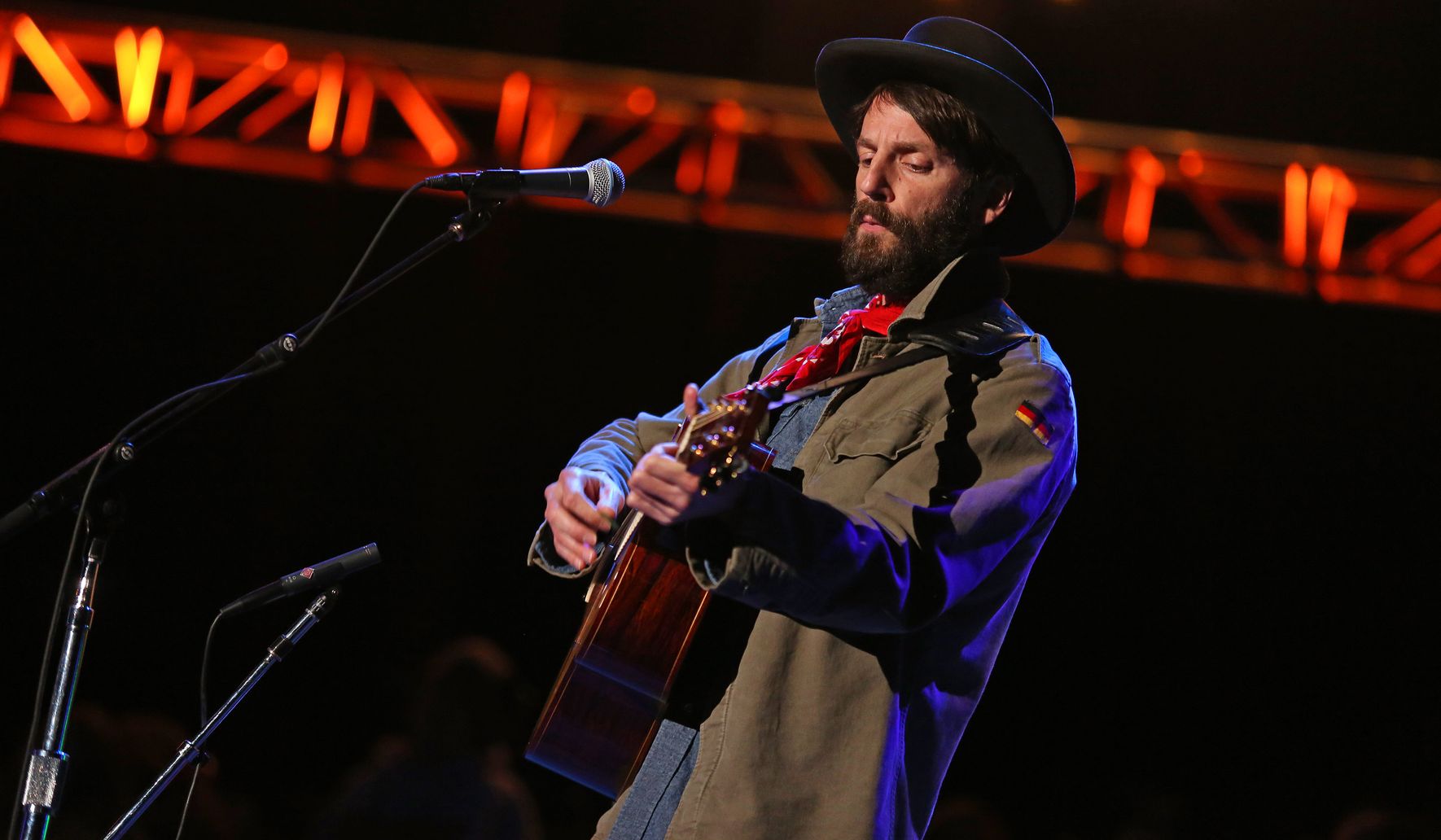
Ray LaMontagne collapsed onstage at Nashville’s Ryman Auditorium on Saturday, forcing an abrupt end to the concert and prompting treatment for heat-related dehydration.
Fans at the Ryman Auditorium were left stunned when Ray LaMontagne suddenly collapsed during his performance on Saturday. The unexpected incident cut the show short, shifting the mood from celebration to concern in an instant. Venue staff and medical personnel stepped in as the situation unfolded.
Reports indicate the cause of the episode was heat-related dehydration, and LaMontagne received treatment at the venue. That explanation helps explain why someone who appeared active onstage could suddenly be overwhelmed. Heat-related issues can escalate quickly, especially in crowded indoor settings where temperatures and humidity can rise without warning.
The Ryman Auditorium is known for its intimate setting and passionate audiences, which makes interruptions especially jarring. Concerts there tend to feel close and immediate, so when a performer needs urgent care the impact is highly visible. Patrons described the scene as quiet and tense while staff worked to assist the singer.
Organizers and medical personnel prioritized LaMontagne’s wellbeing before anything else, focusing on immediate care and stabilization. Cutting the performance short allowed staff to concentrate fully on treatment rather than juggling the demands of a live show. When emergencies arise at events, that kind of decisive action can be crucial.
For concertgoers, sudden health incidents can be both alarming and confusing, and clear communication from the venue helps. Audience members at the Ryman were told the situation required urgent attention and were kept in place while responders worked. The venue’s response aimed to maintain calm and ensure safety for everyone present.
Heat-related dehydration is often preventable with proper hydration and breaks from intense activity, and it can affect performers as well as attendees. Musicians under bright lights, wearing layered clothing, and moving energetically can be vulnerable. Even when they appear fine, the physical toll of a long set or a hot environment can catch up quickly.
Medical teams at live events are trained to assess and treat a range of issues, from heat exhaustion to more serious conditions. At the Ryman, responders administered care consistent with addressing dehydration and related symptoms. Their presence and speed of action likely made a meaningful difference in the immediate outcome.
After the incident, many in the crowd expressed concern and wished LaMontagne a swift recovery. Social reactions mixed surprise with support, as fans shared their shock at how abruptly the evening changed. The focus quickly shifted from disappointment about the shortened show to relief that medical help arrived promptly.
Performers and crews often review emergency procedures precisely because unexpected situations like this can happen. Promoters, venues, and artist teams typically coordinate ahead of events to ensure medical readiness and clear lines of communication. Those preparations can be the reason responders can act so quickly when minutes matter.
While the concert ended earlier than planned, the immediate priority was the artist’s health and safety. Cutting a performance short is never what anyone wants, but it can be the right call when a medical issue arises. Fans and staff at the Ryman responded with concern and respect for the need to address the situation.
Following incidents like this, venues and representatives sometimes provide updates about a performer’s condition once reliable information is available. Accurate, timely information helps manage public concern and stops the spread of speculation. For now, the confirmed detail remains that treatment was for heat-related dehydration.
The Ryman Auditorium event underscored how quickly live nights can change and why preparedness matters at concerts of every size. Attendees who felt worried in the moment are likely relieved to know medical attention was given immediately. The focus remains on recovery and on supporting the artist as he regains his health.

