

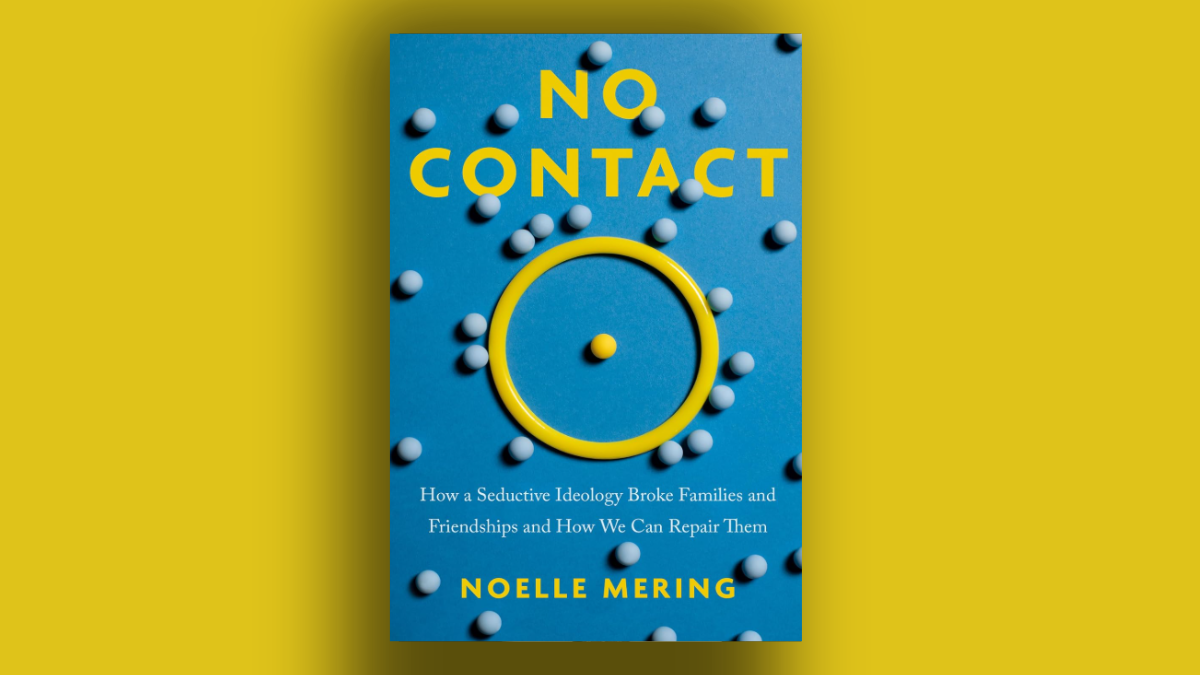
This article argues that the “no contact” approach has morphed into a political tool that isolates families and undermines parental authority, claiming cultural roots and institutional backing that deserve scrutiny.
Conservatives see ‘No contact’ as a political move, not just a personal boundary, and that claim is driving a lot of the debate. The phrase captures how some policies and practices can sever family ties under the guise of protection. Those who care about family stability want to understand who benefits when communication is cut off.
‘No contact’ is Marxist cancel culture applied to homes and families. That line is blunt, and it reflects a deeper worry: when social institutions promote cutting people out, the family becomes a casualty. If you accept isolation as a default answer to conflict, you accept a new form of control over private life.
There is a clear ideological pattern when institutions favor separation over reconciliation, and it lines up with broader cultural trends. Schools, social services, and courts sometimes encourage limited contact as the first option rather than the last. From a Republican viewpoint, that signals an overreach that treats families like systems to be engineered instead of communities to be preserved.
When ‘no contact’ policies gain traction, the immediate harm is emotional and relational, but the ripple effects hit institutions too. Children lose context, grandparents lose connection, and disputes that might have been settled privately become public problems. The state ends up deciding how families interact, which shifts power away from parents and into bureaucracies that answer to cultural mandates.
Those mandates are rarely neutral. They arrive dressed in language about safety and trauma, which matters and shouldn’t be dismissed. Yet words like safety can also hide one-size-fits-all solutions that ignore nuance and local judgment. Conservatives argue for competence in protecting vulnerable people while preserving the right of families to make difficult calls without ideological pressure.
At the practical level, pushing separation as a default undermines incentives to reconcile and adapt, which are essential to healthy family life. People learn conflict resolution and resilience when relationships are repaired, not just terminated. Long-term social stability depends on institutions that strengthen, not replace, family decision-making.
Accountability matters, and accountability should not be replaced by automated exclusion. If institutions must intervene, they ought to do so with clear standards, due process, and respect for parental roles. Otherwise, a cultural script of isolation risks becoming a tool for enforcing cultural conformity rather than addressing real harm.
Republican voices insist on restoring balance: protect the vulnerable, but do not turn separation into an ideological program. That balance requires policies that empower families, give parents the final say in most cases, and reserve state intervention for truly unavoidable scenarios. The goal is to defend both personal liberty and social order without surrendering homes to cultural experiments.
Watching how this debate evolves matters because the choices we make now shape the next generation’s sense of belonging and responsibility. When institutions nudge families toward cutting ties, they reshape expectations about conflict, punishment, and forgiveness. A healthy society should favor repair and parental judgment over easy exclusion, while still taking genuine threats seriously.

