

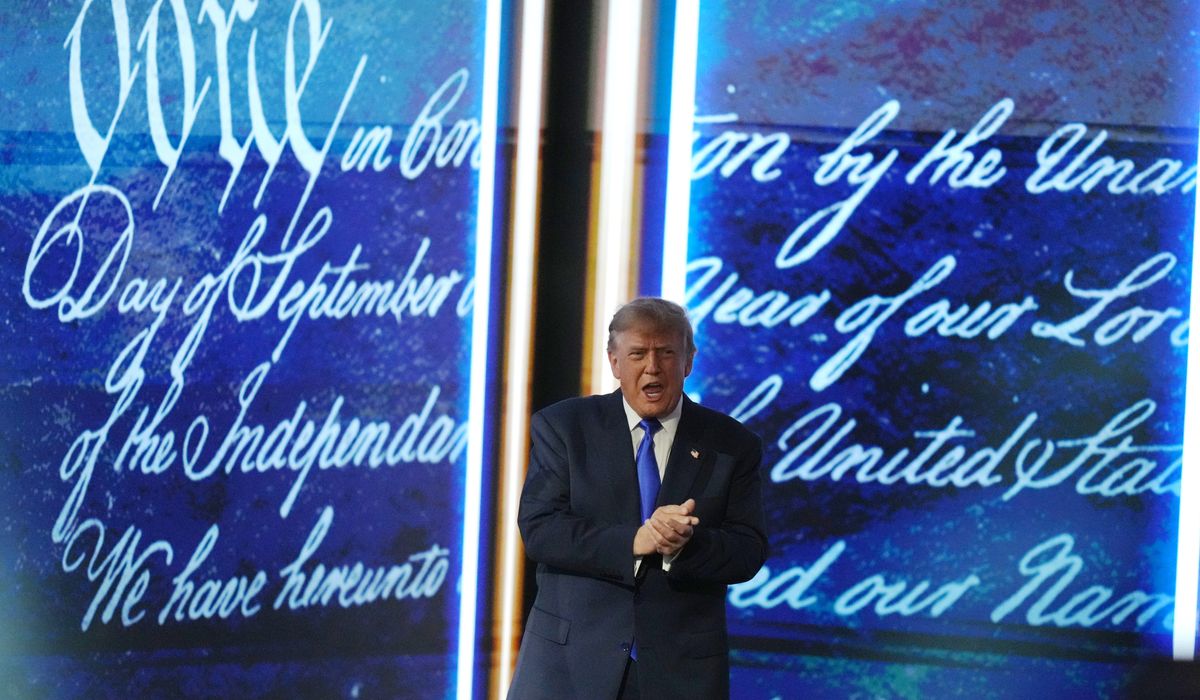
President Trump framed the upcoming midterms as a stark choice for voters, arguing the outcome will determine how America governs for years. The message leaned into contrasts with Democratic priorities and pushed turnout among conservative voters who want to protect recent gains.
President Trump on Wednesday cast the November midterms as a battle for America’s future, saying handing Democrats control of Congress will set the nation back by at least a decade. That line supplied a clear, simple warning meant to sharpen the contrast between the parties and focus attention on long-term consequences. The phrasing is aimed at voters who worry about reversing policy wins from recent years.
Republicans see the contest as more than elections; they view it as a referendum on judicial nominations, energy policy, immigration control, and fiscal sanity. The argument is that Democratic control tends toward larger government, higher taxes, and rules that critics say hamper domestic energy and industry. Framing the choice this way helps solidify support among voters who value economic freedom and national security.
The practical stakes include control of committee agendas, oversight powers, and confirmation pathways for judges and officials. Winning Congress changes the levers of power that determine how laws are made and how executive actions are checked. For conservatives, protecting those levers matters for preserving the courts and limiting growth of federal programs.
Trump’s message also aims to mobilize the Republican base by tying abstract policy shifts to everyday concerns like jobs, inflation, and public safety. Voters are being reminded that majorities in Washington can reshape priorities and spending for years to come. That argument is meant to translate into volunteers, donations, and ballots on election day.
On issues like the border and law enforcement, Republicans emphasize stronger enforcement and clearer rules as keys to stability. The party casts Democratic proposals as softer approaches that, in their view, encourage unlawful behavior and strain local services. That contrast is central to the pitch Republicans are making to suburban and working-class voters who have grown impatient with disorder.
Energy policy is another area Republicans highlight when talking about long-term consequences. Supporters point out that production, exports, and lower costs have tangible impacts on household budgets and national influence. The claim is that shifts away from domestic energy advantage could raise costs and reduce geopolitical leverage.
Fiscal arguments pop up in this conversation as well, with Republicans warning that unchecked spending and new entitlements can saddle the next generation with higher taxes and weaker economic growth. The pitch is framed as defending economic freedom and opportunity versus expanding government dependence. That message is designed to resonate with voters worried about cost-of-living pressures and economic mobility.
Ultimately the campaign rhetoric is built to make November feel immediate and consequential instead of routine. Republicans are using crisp messaging and specific issue contrasts to keep supporters engaged and persuade undecided voters that policy direction matters. The next steps will be turnout and whether that framing moves enough voters to change outcomes at the ballot box.

